Deutsche Oper Berlin
Carmen
Opera
Bismarckstraße 35, 10627 Berlin
Georges Bizet (1838 – 1875)
© Marcus Lieberenz
© Marcus Lieberenz
© Marcus Lieberenz
© Marcus Lieberenz
© Marcus Lieberenz
© Marcus Lieberenz
© Marcus Lieberenz
© Marcus Lieberenz
© Marcus Lieberenz
© Marcus Lieberenz
© Marcus Lieberenz
© 2018, Marcus Lieberenz
© 2018, Marcus Lieberenz
© 2018, Marcus Lieberenz
© 2018, Marcus Lieberenz
© 2018, Marcus Lieberenz
© 2018, Marcus Lieberenz
© 2018, Marcus Lieberenz
© 2018, Marcus Lieberenz
© 2018, Marcus Lieberenz
© 2018, Marcus Lieberenz
© 2018, Marcus Lieberenz
Description
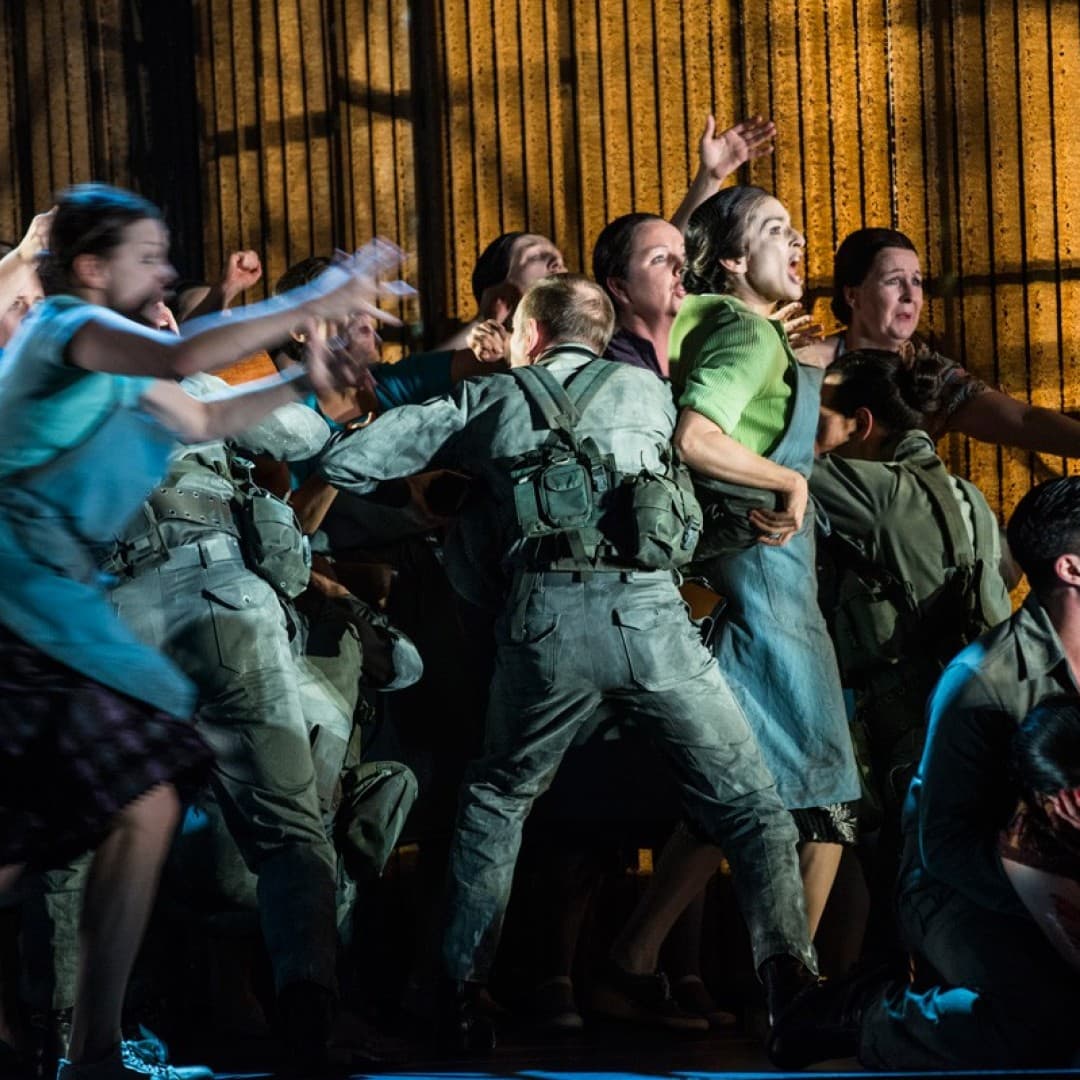
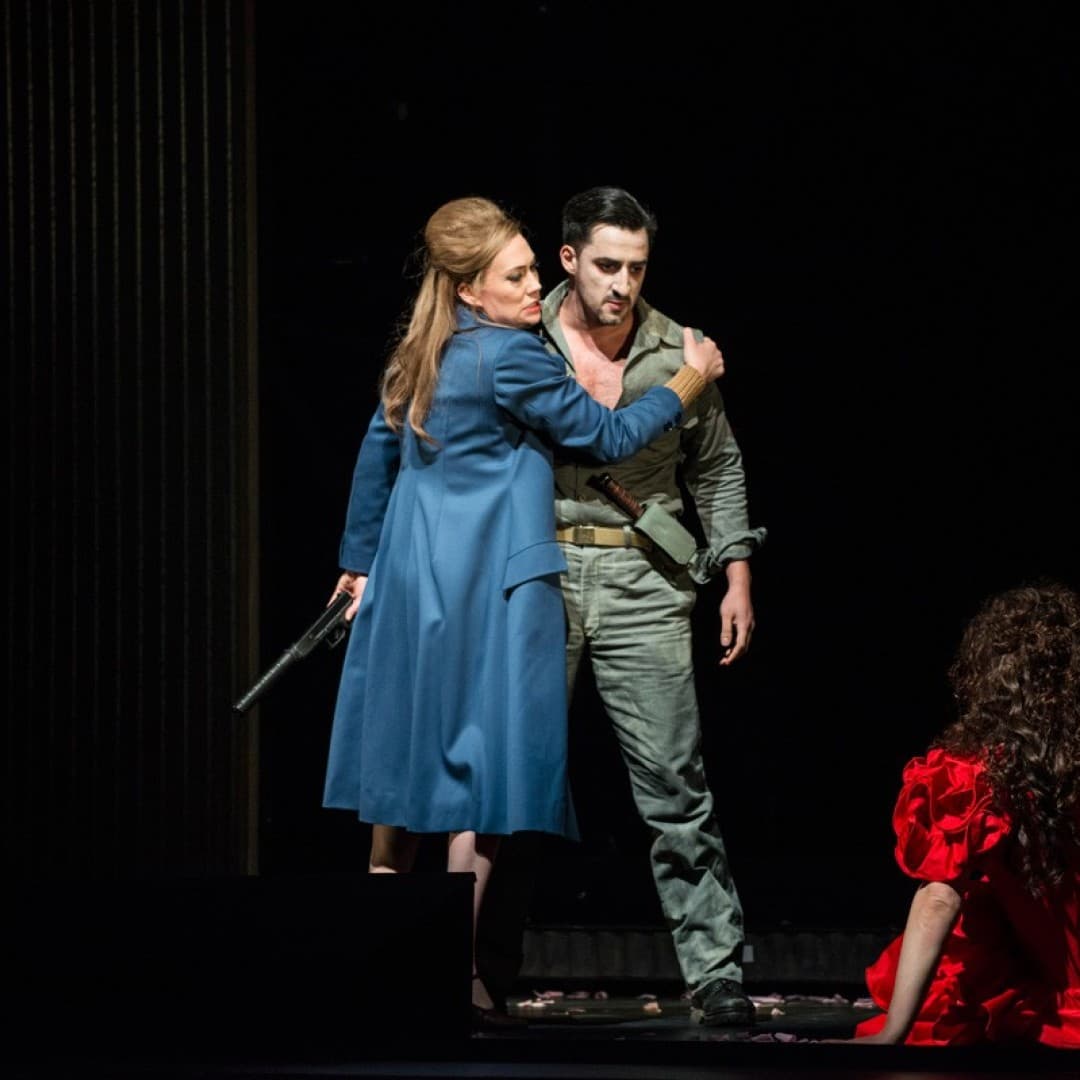
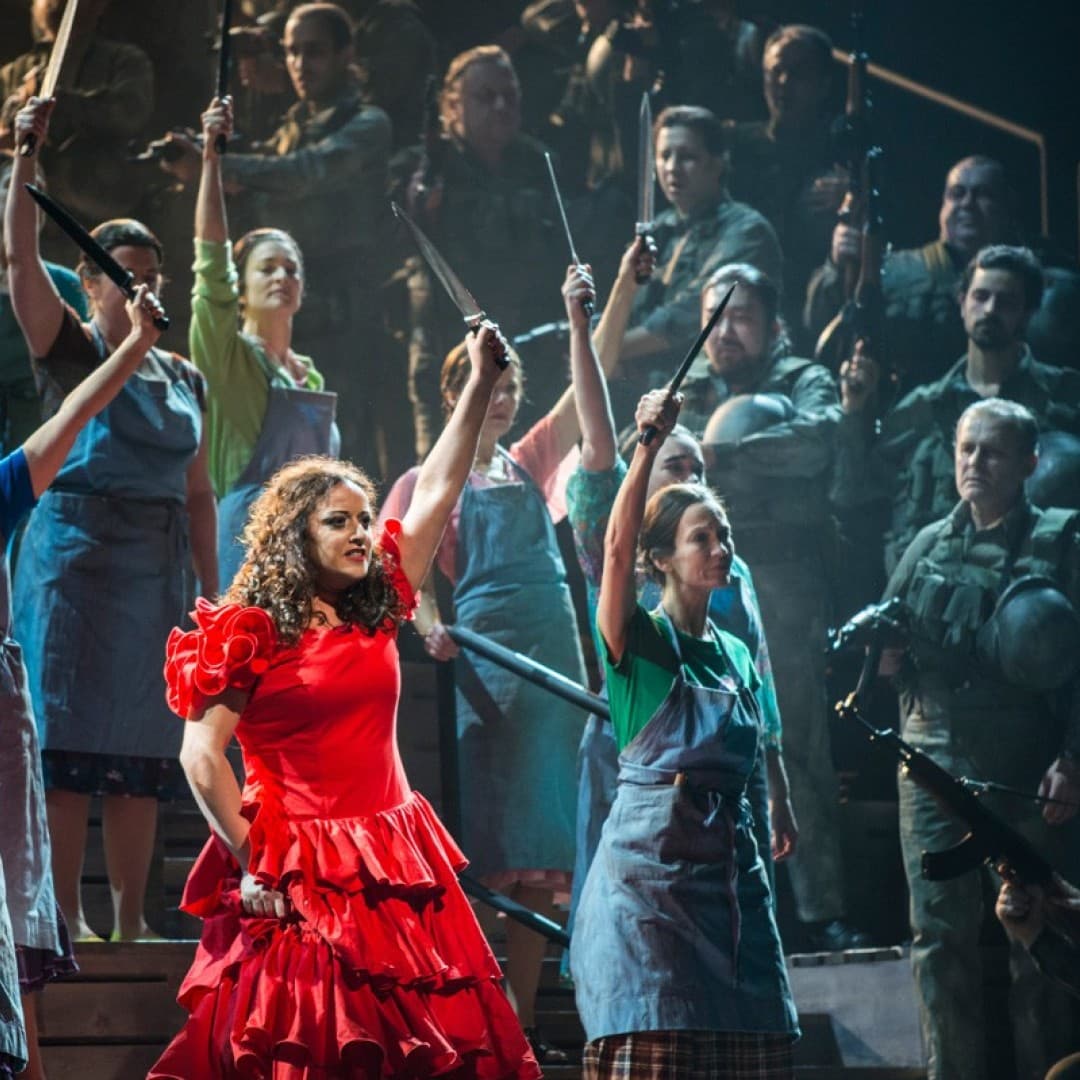
«Free she was born, free she will die»: To preserve her freedom, Carmen even accepts her own death. With her uncompromising will to autonomy, she shattered the moral conventions of her time. This sets her apart from the many passive, self-sacrificing female characters of 19th-century opera – once a scandalous figure, later a figure of identification, always a large screen onto which audiences project their own feelings.
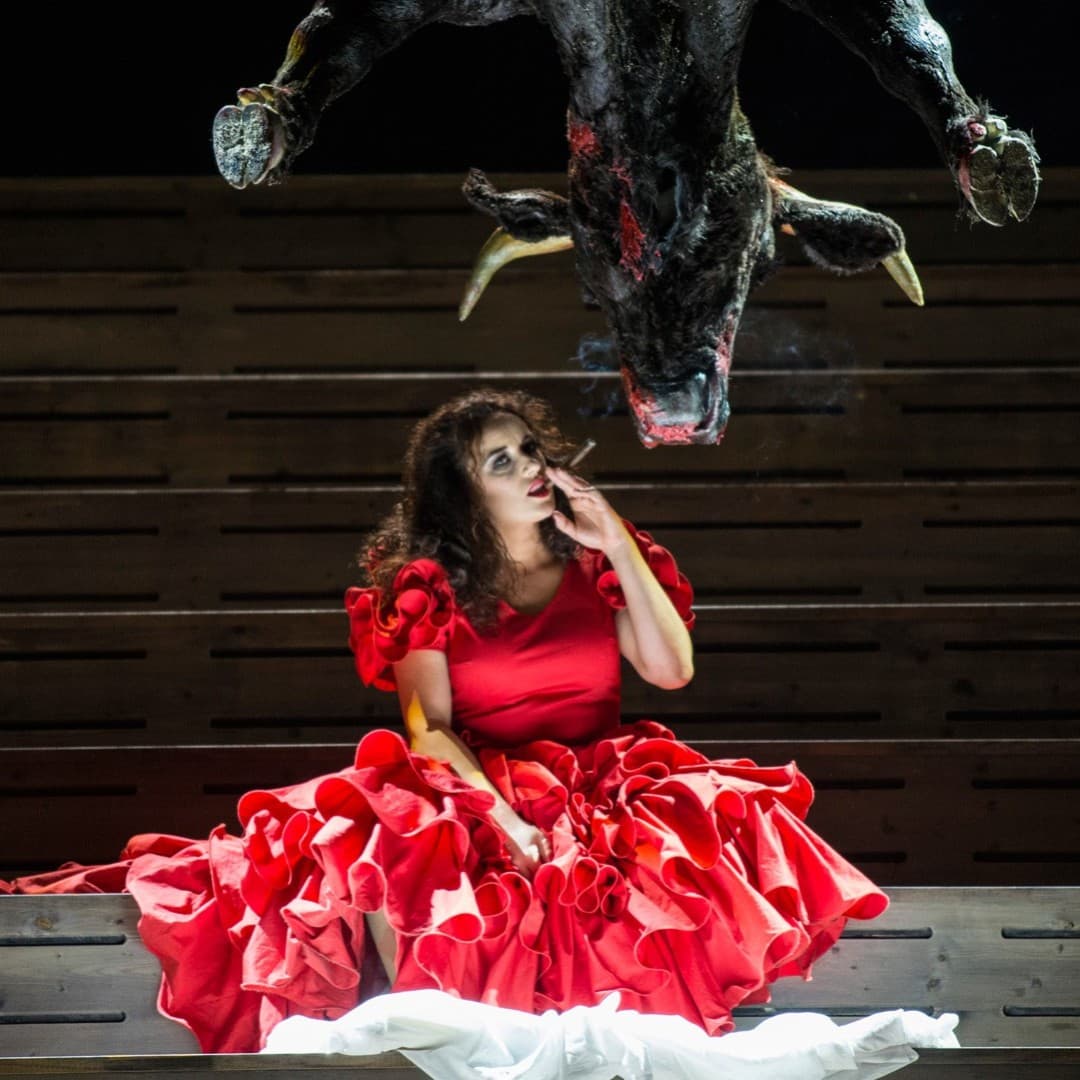
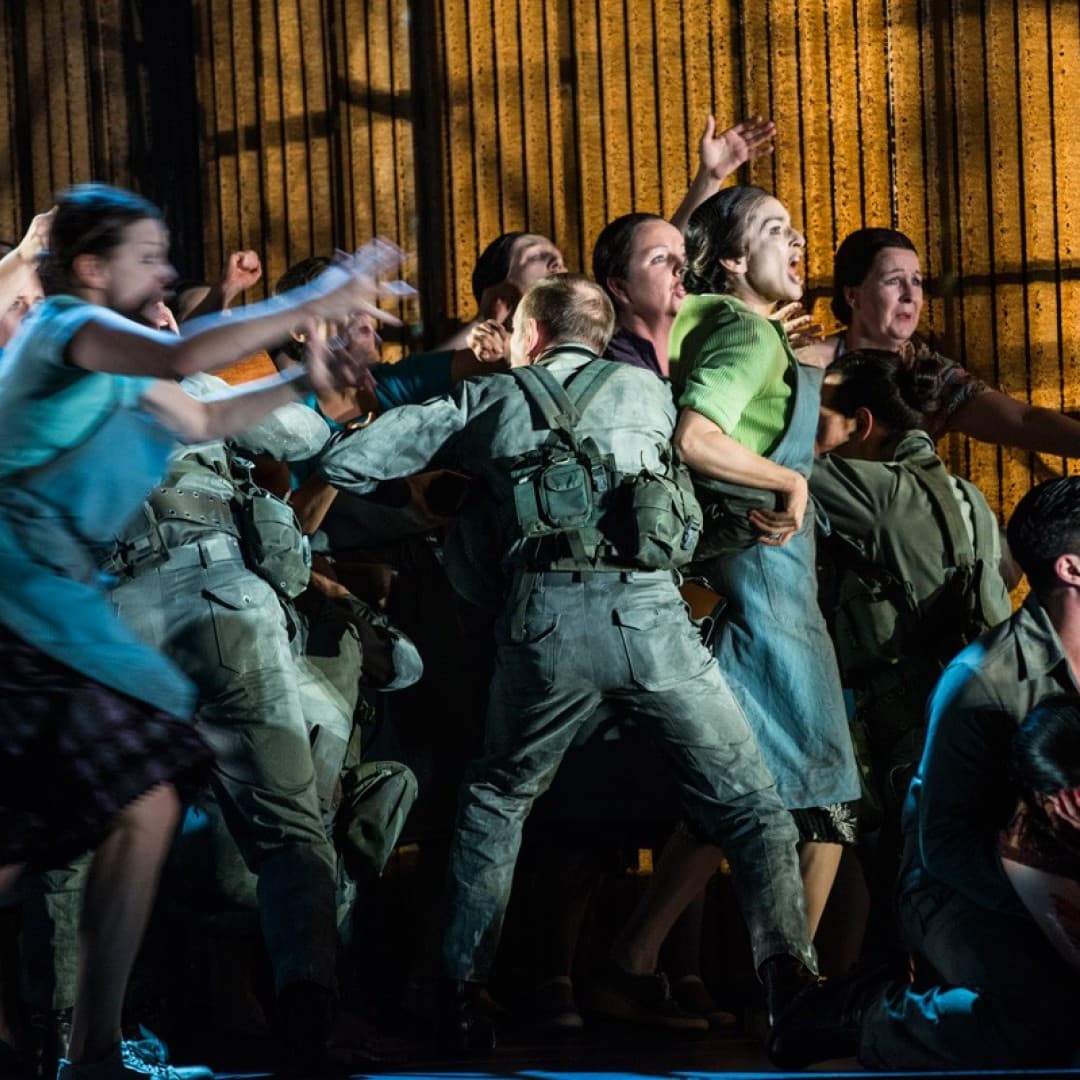
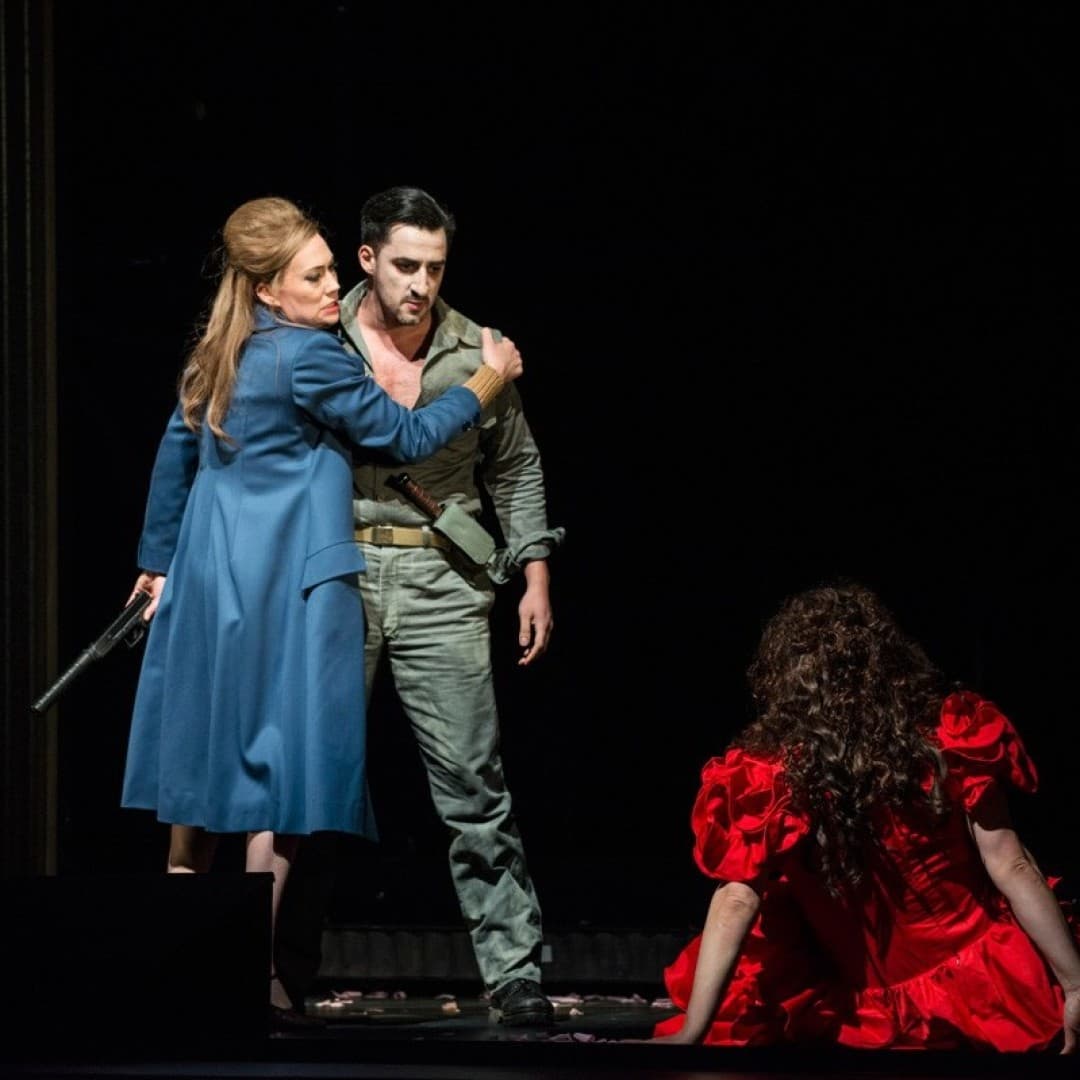
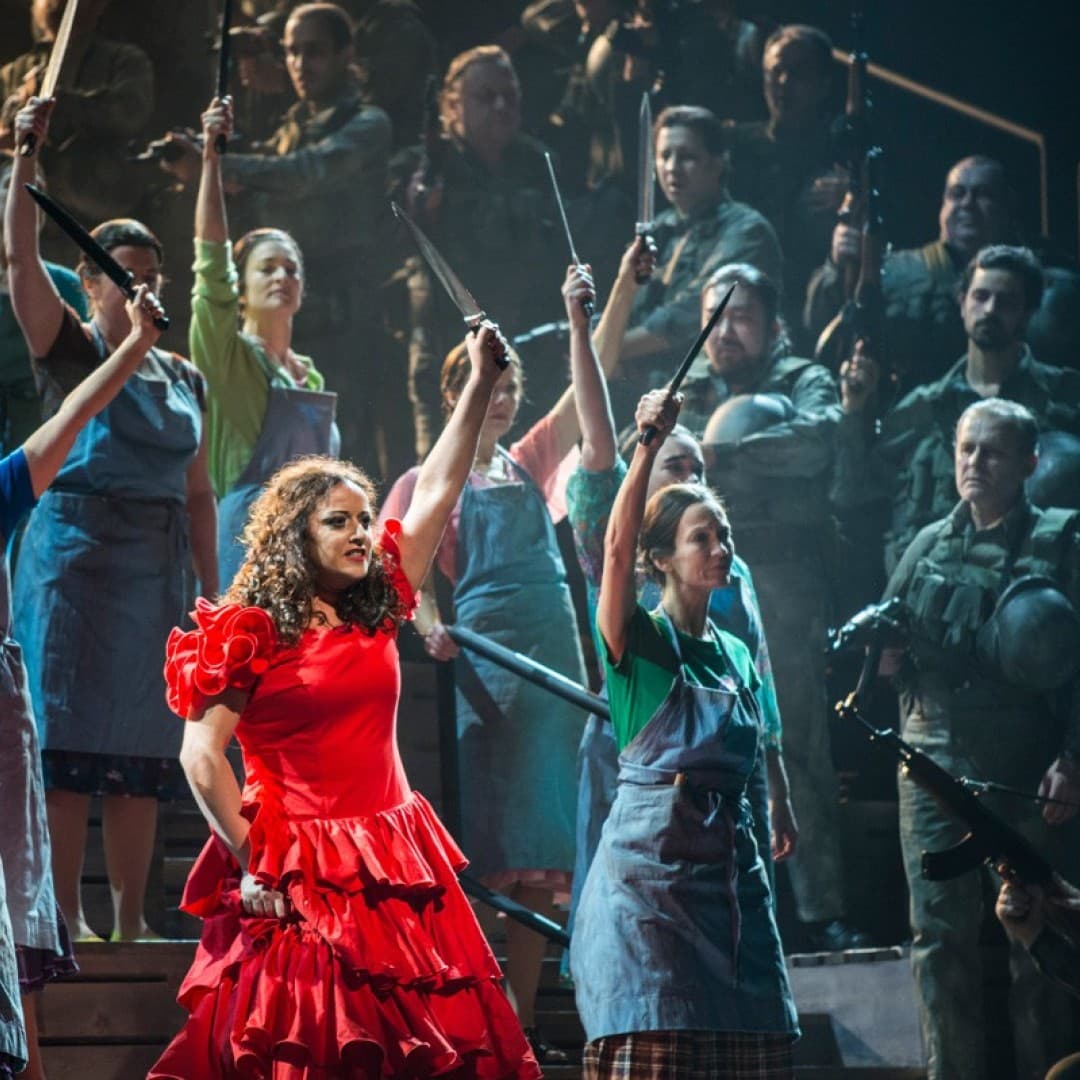
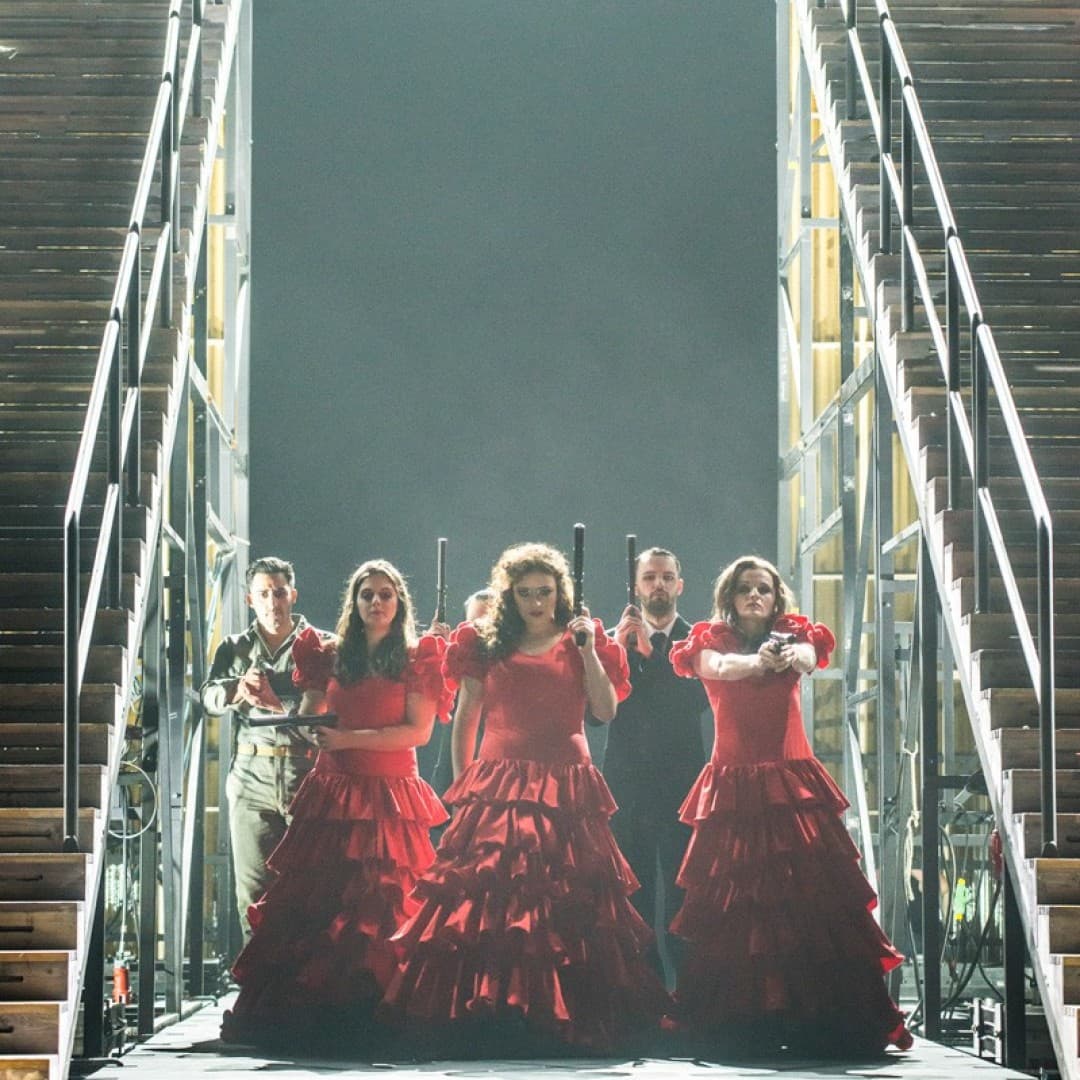
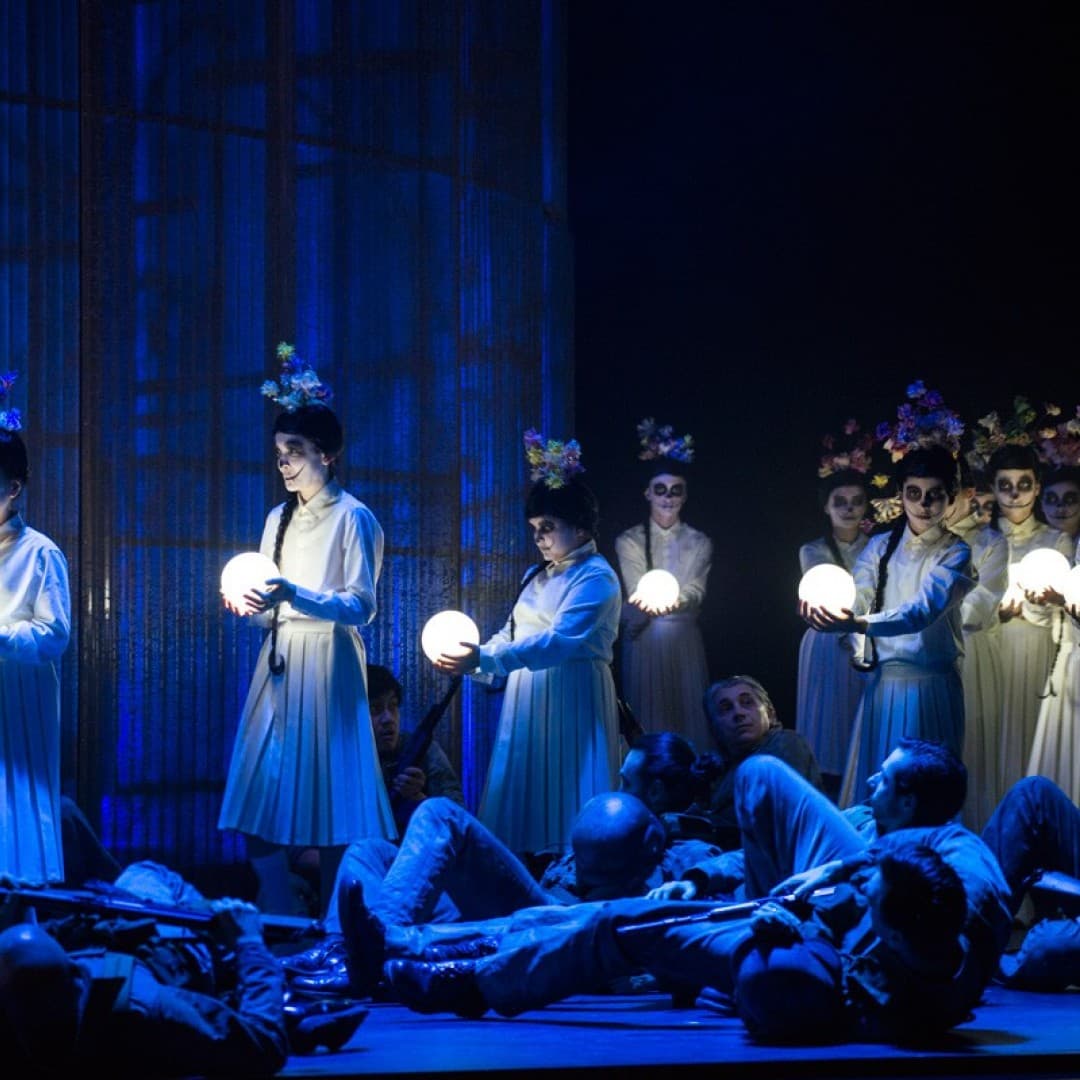
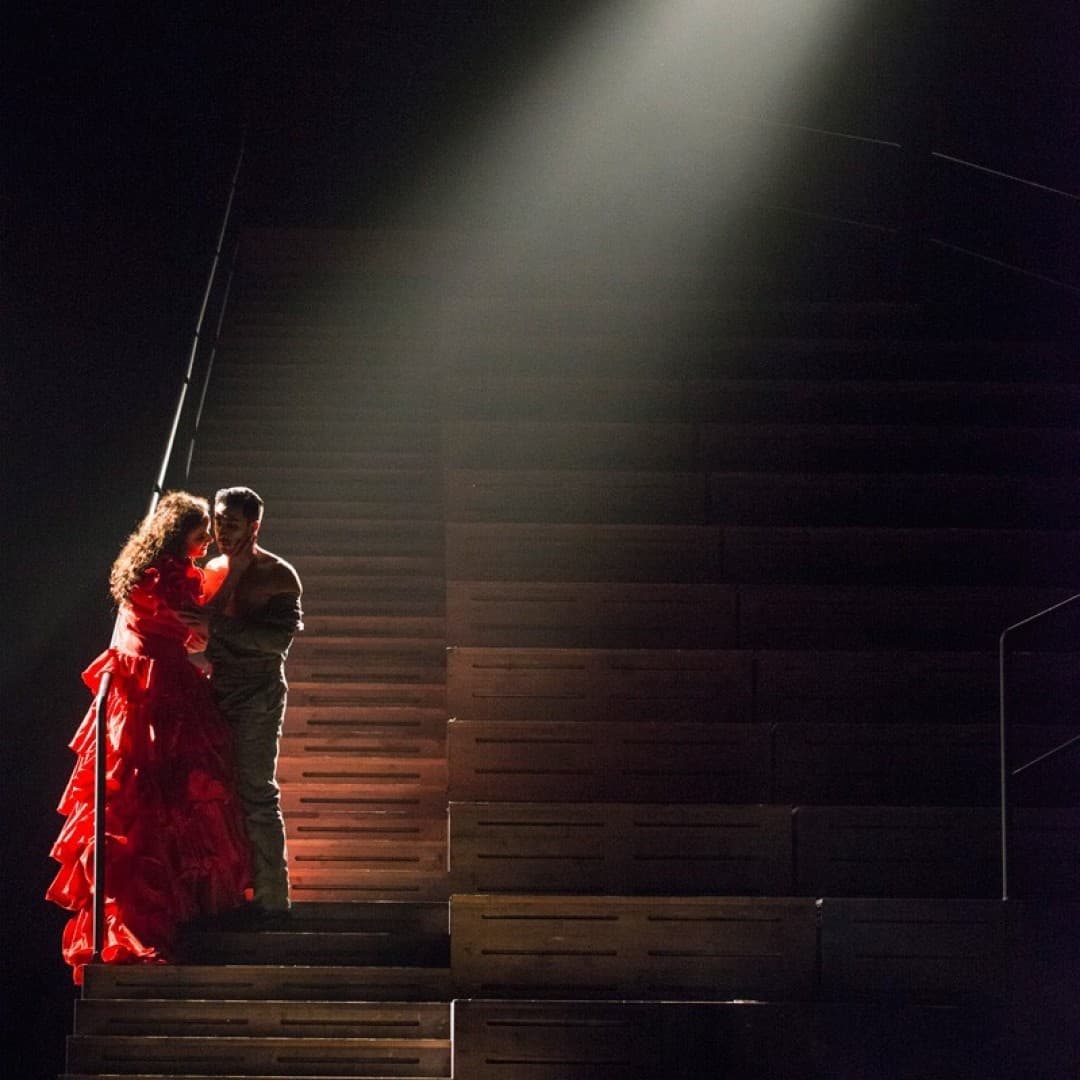
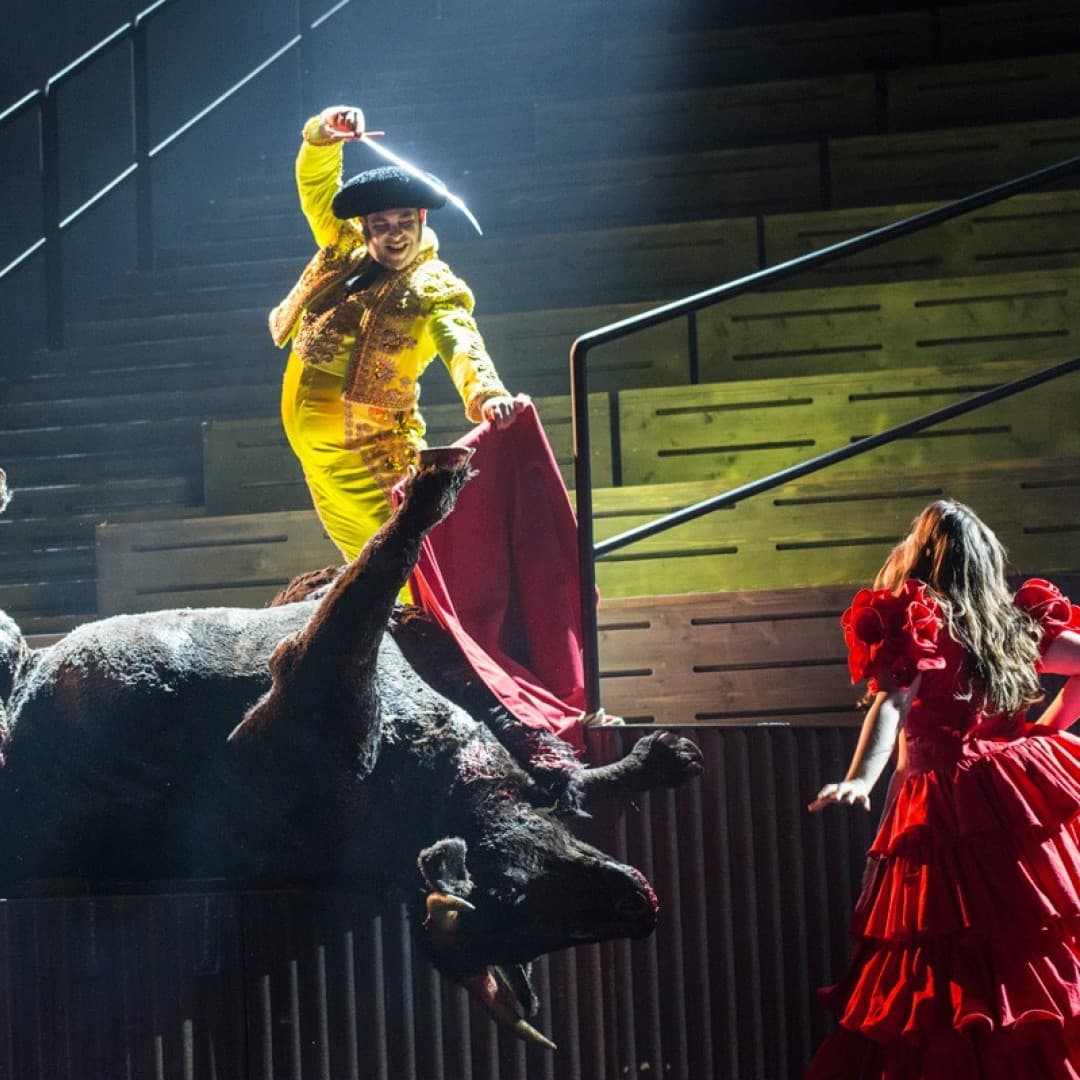
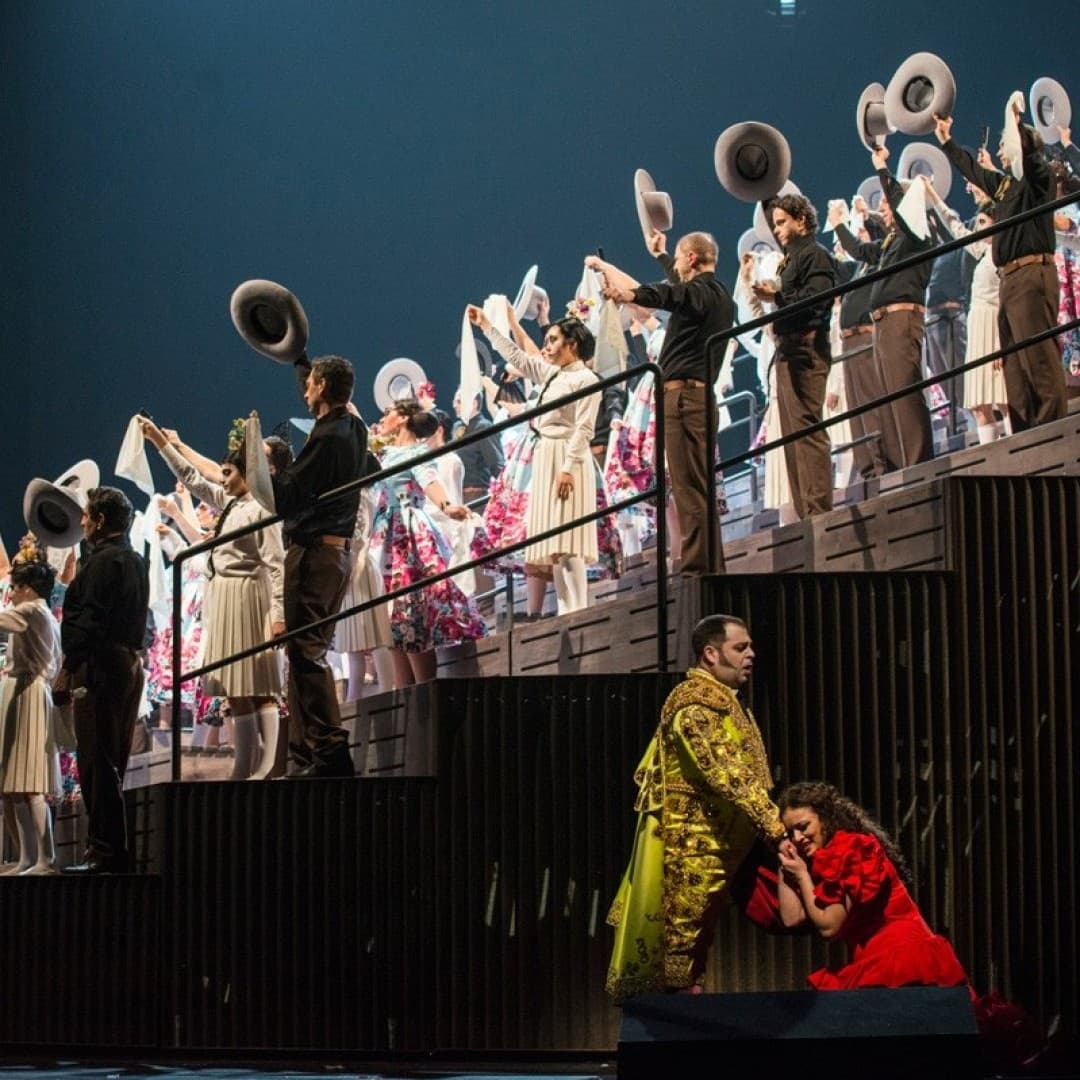
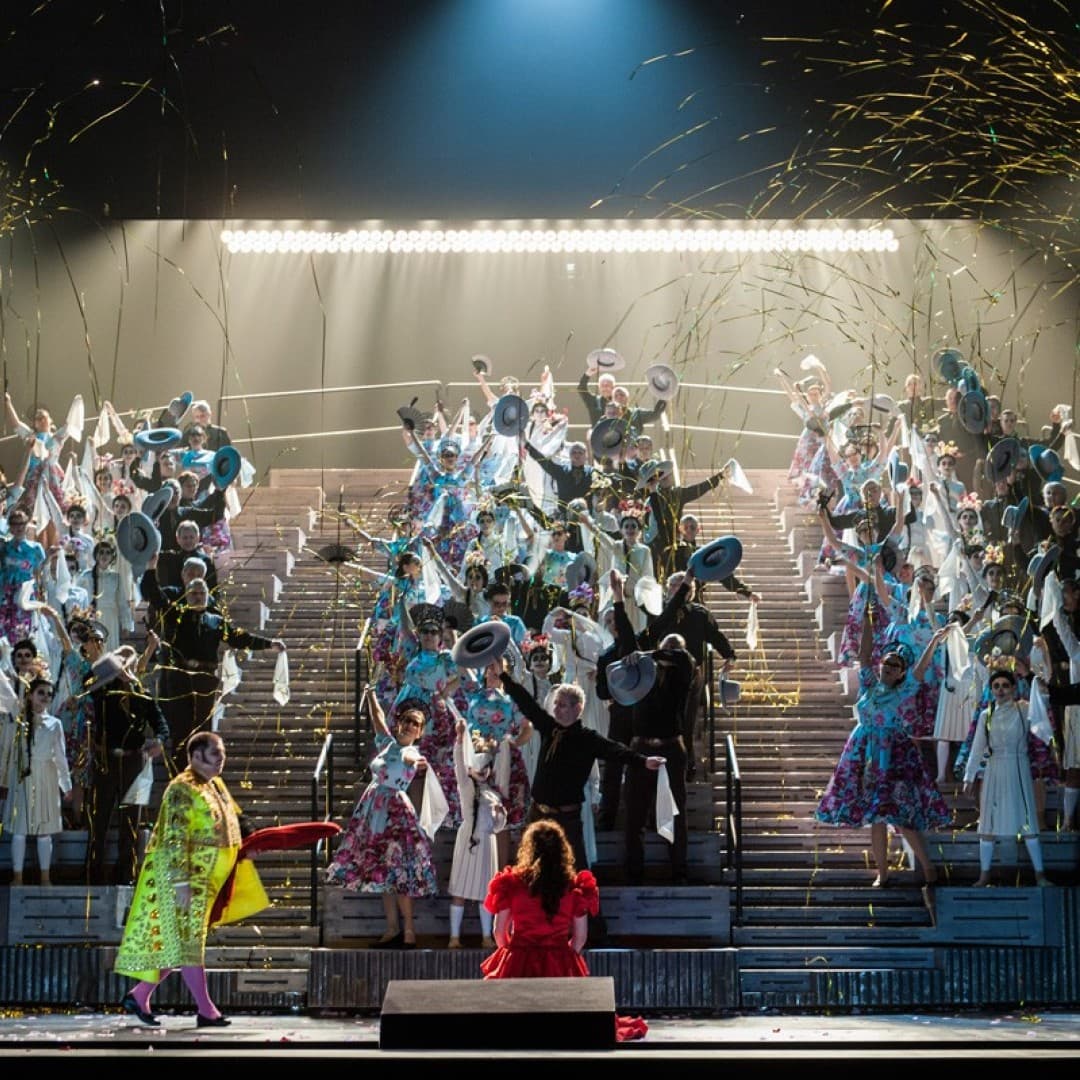
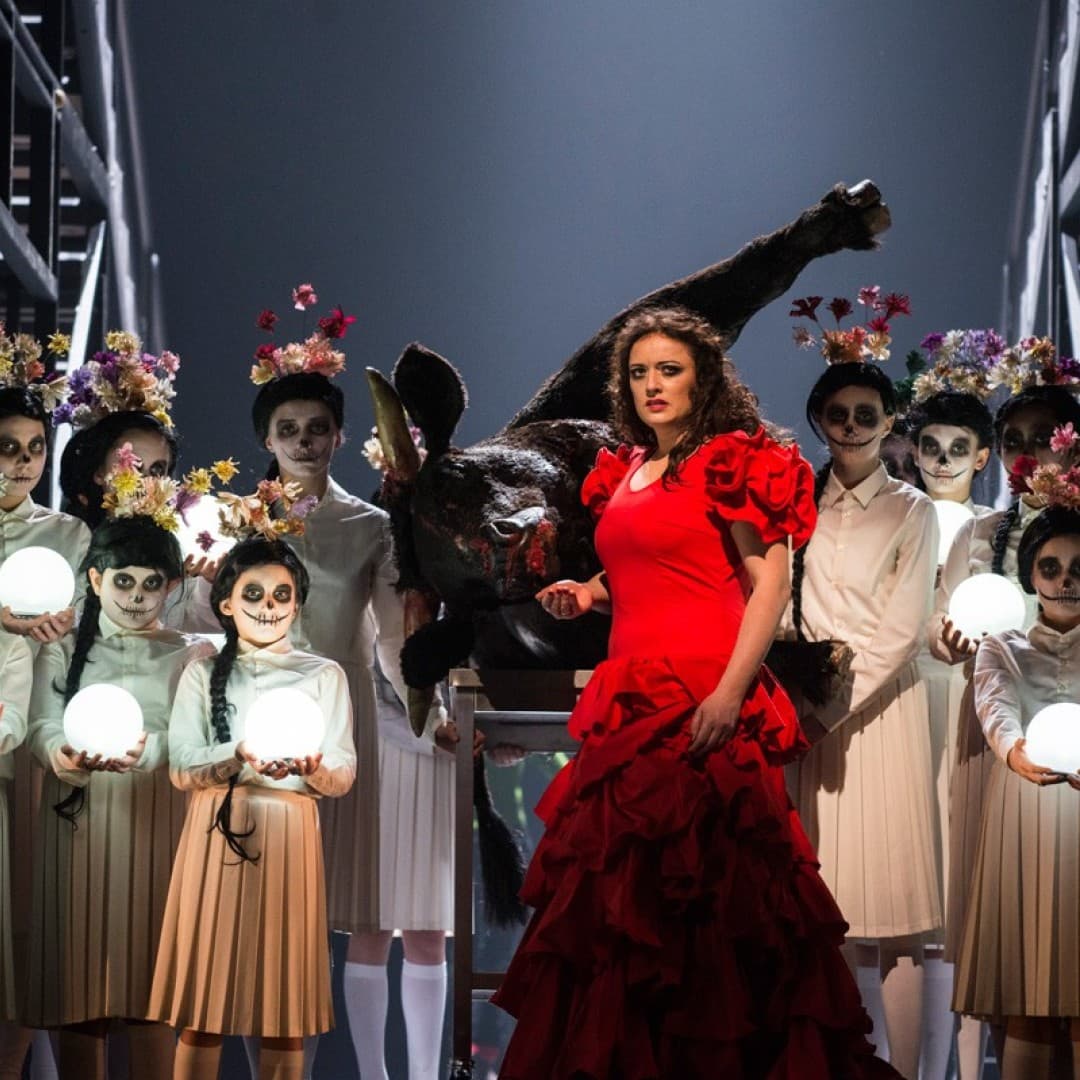
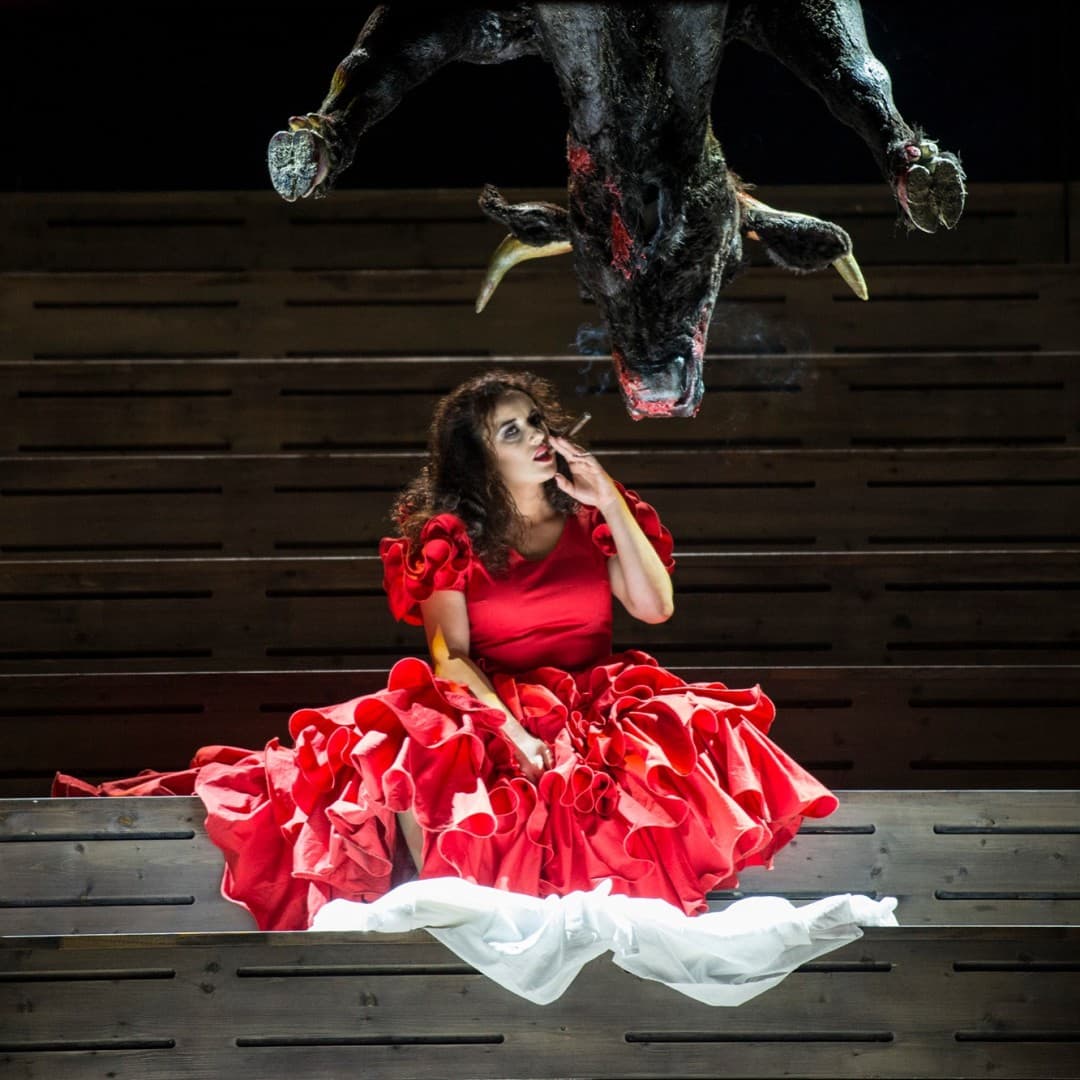
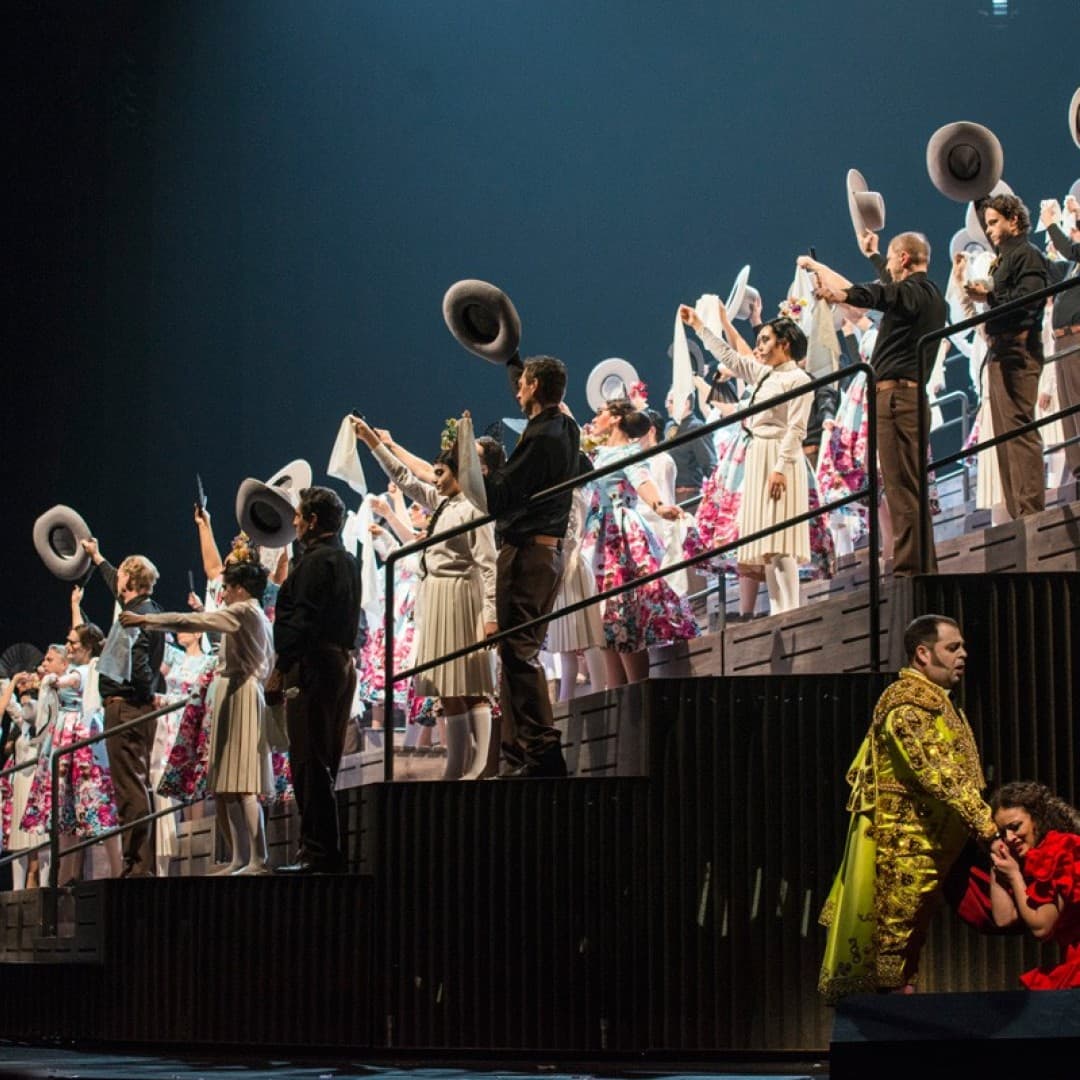
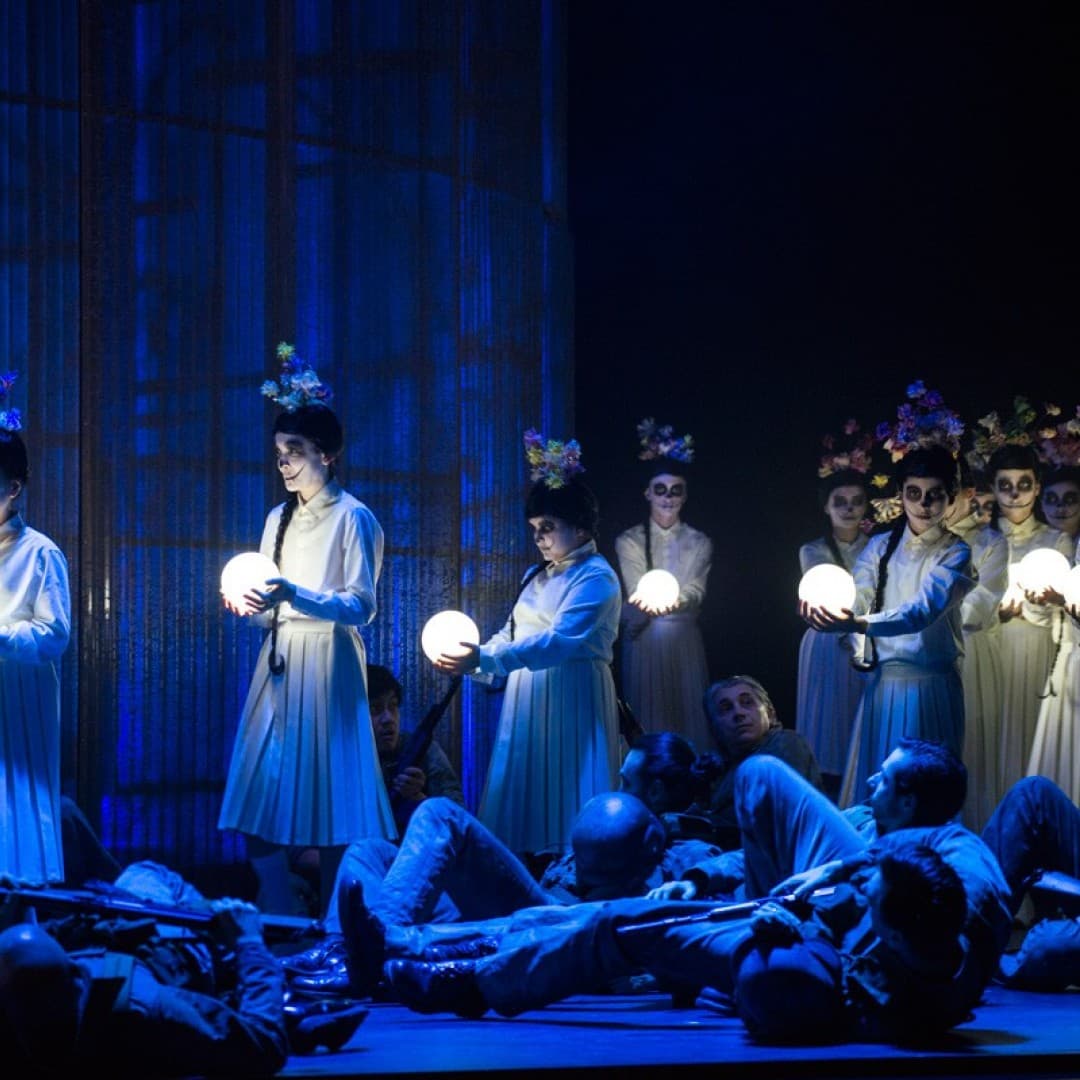
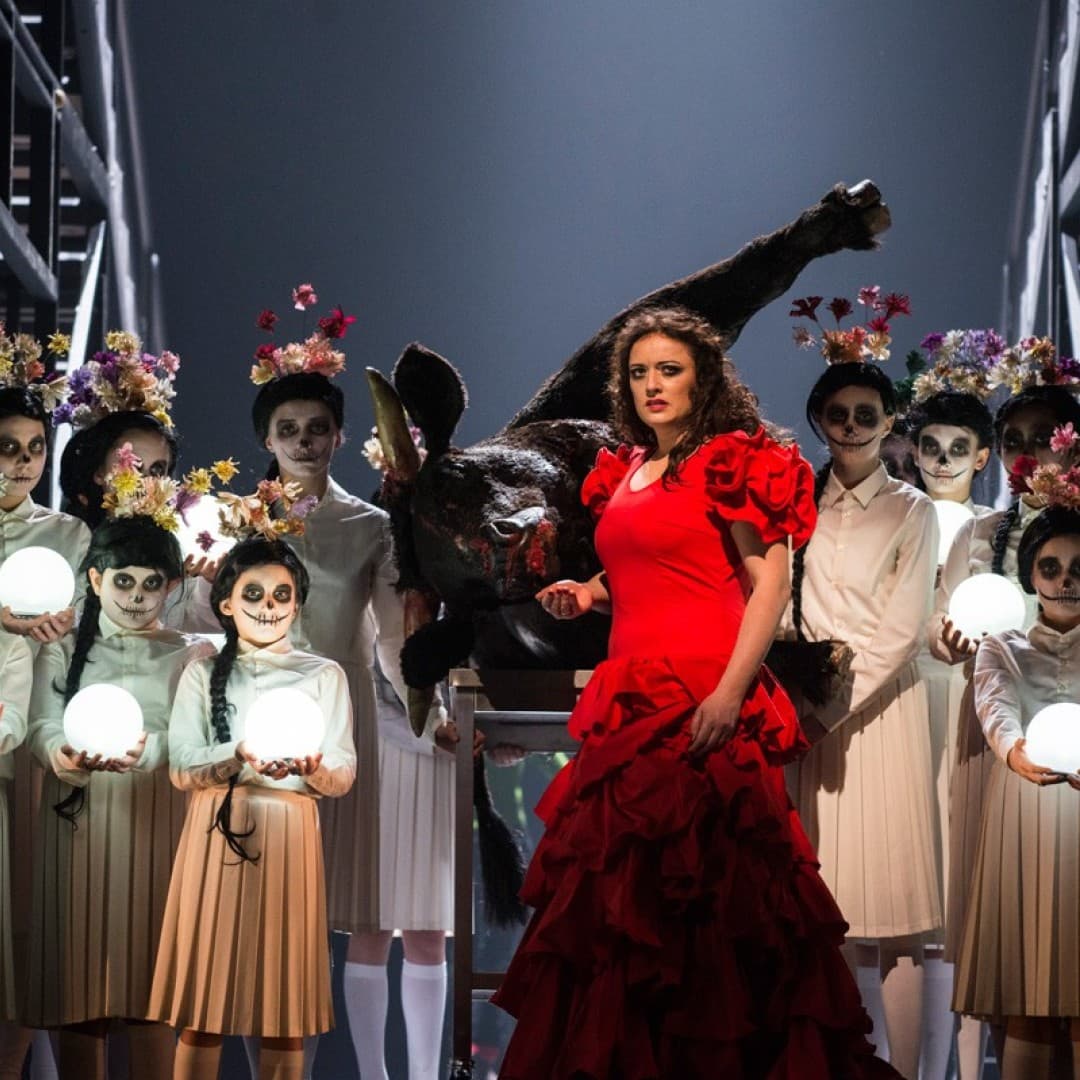
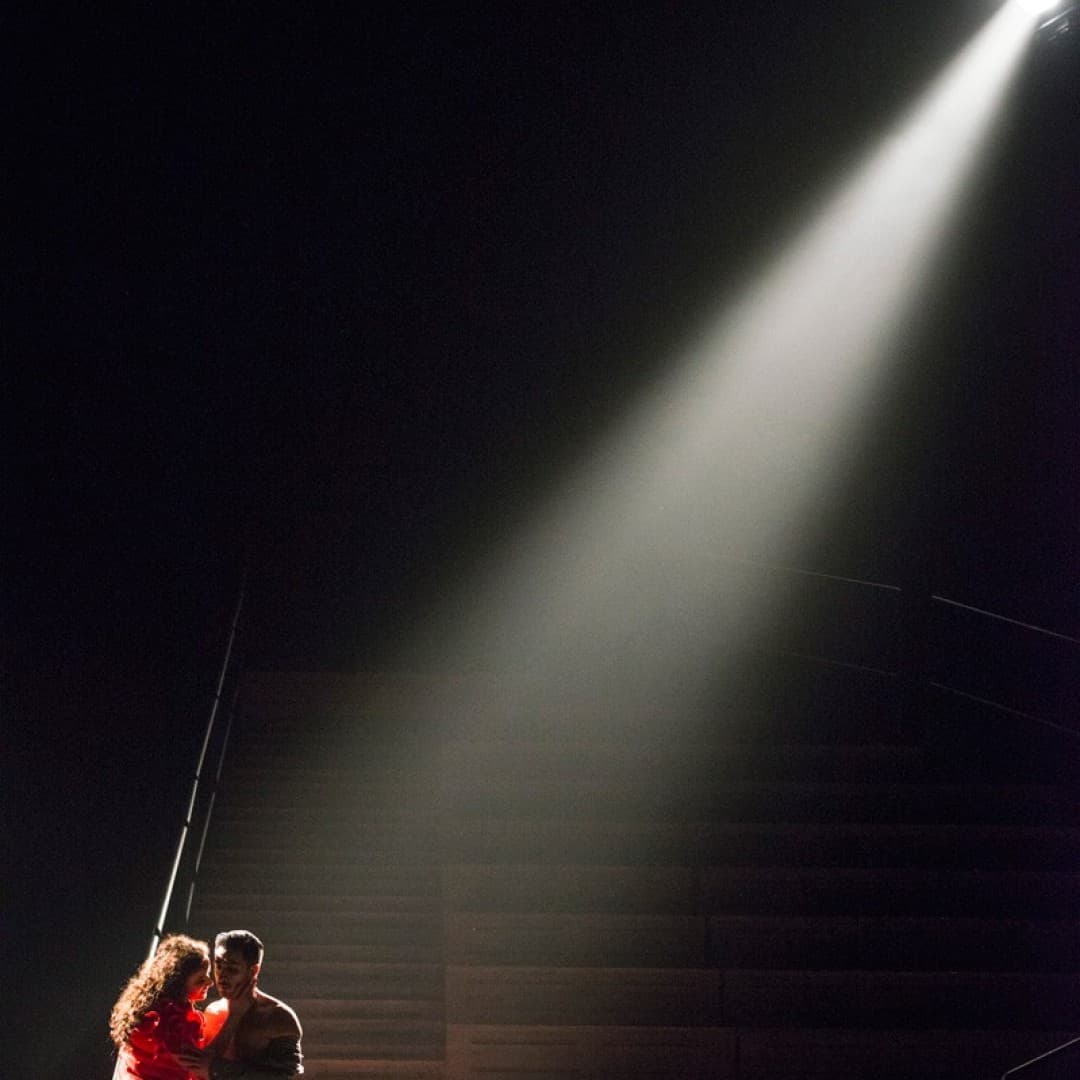
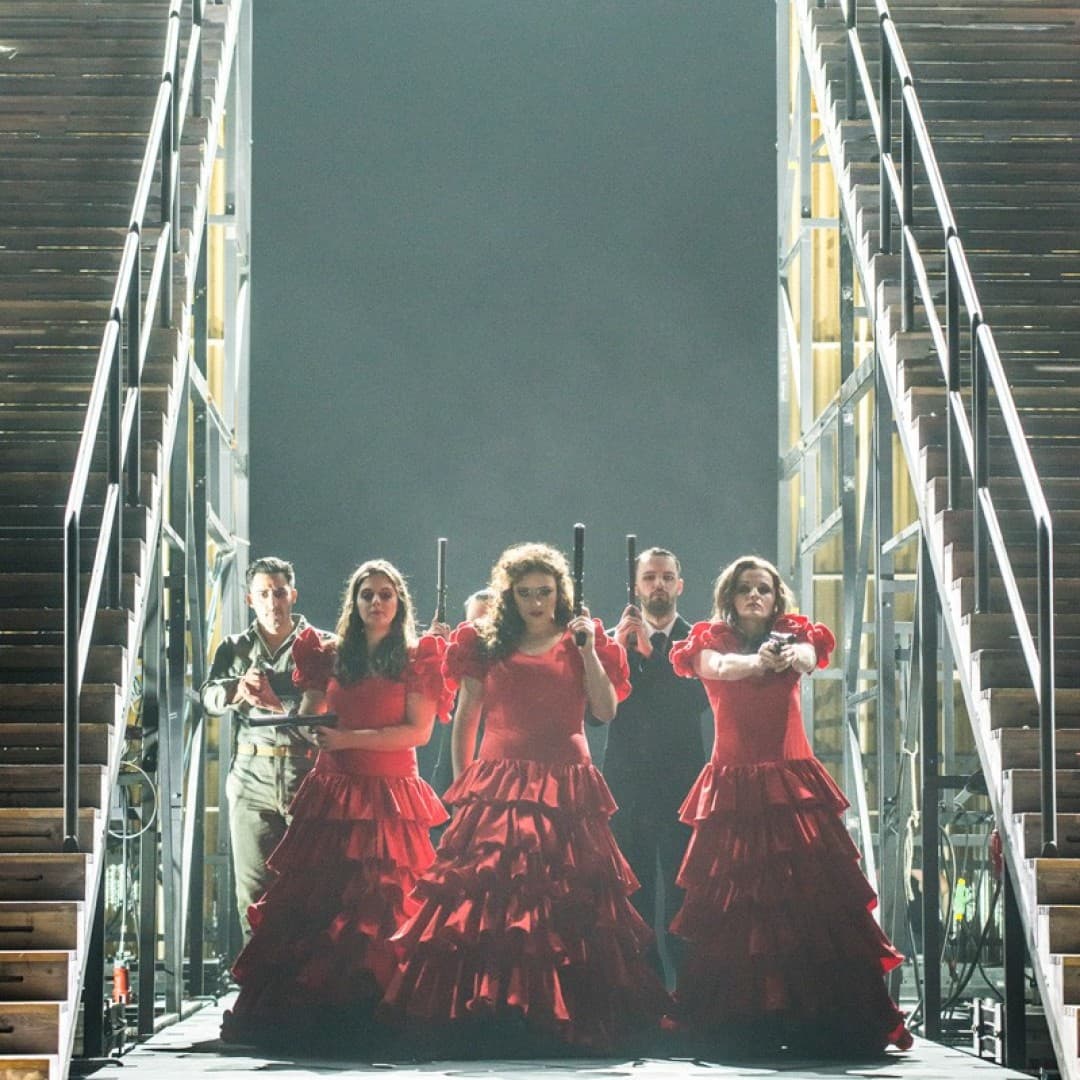
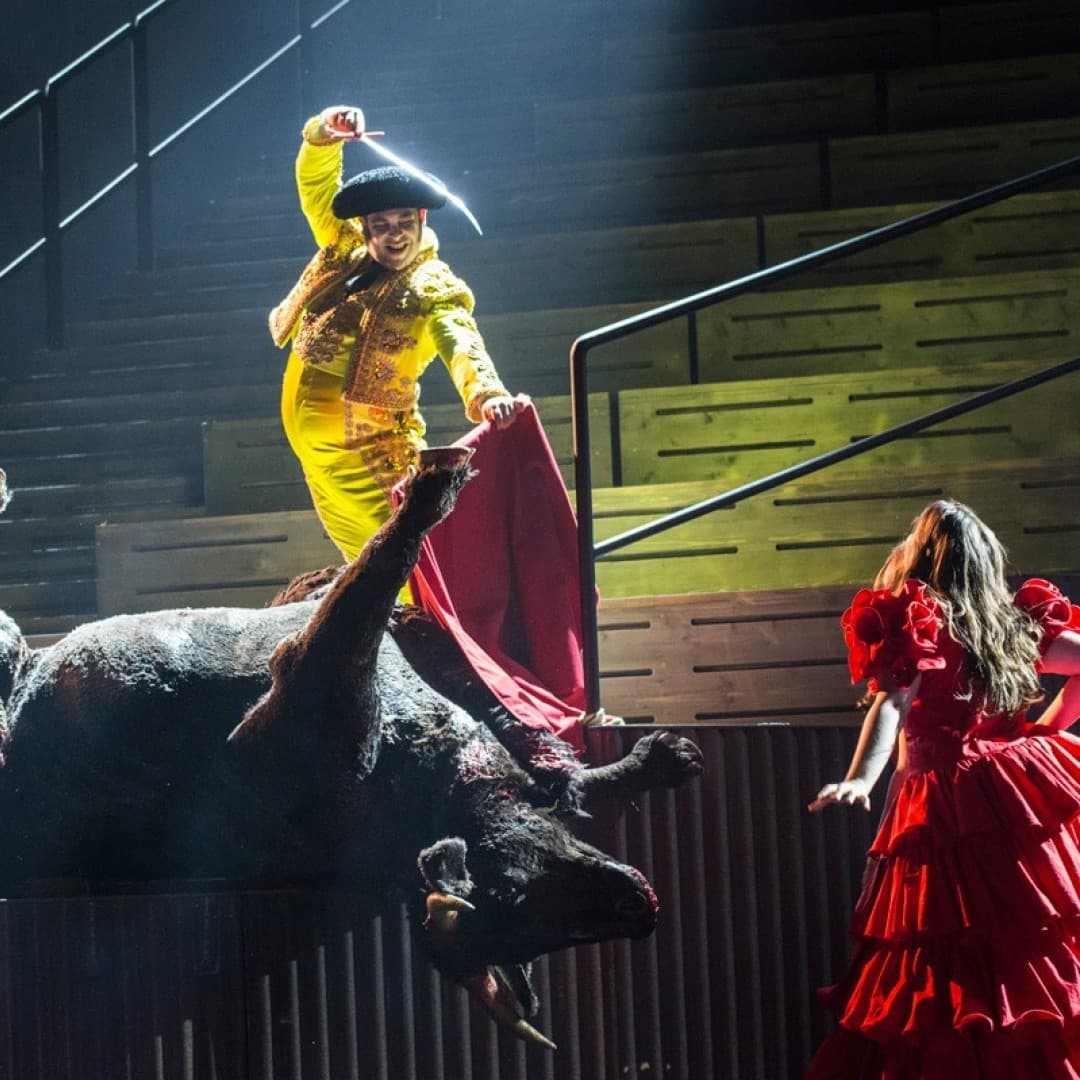
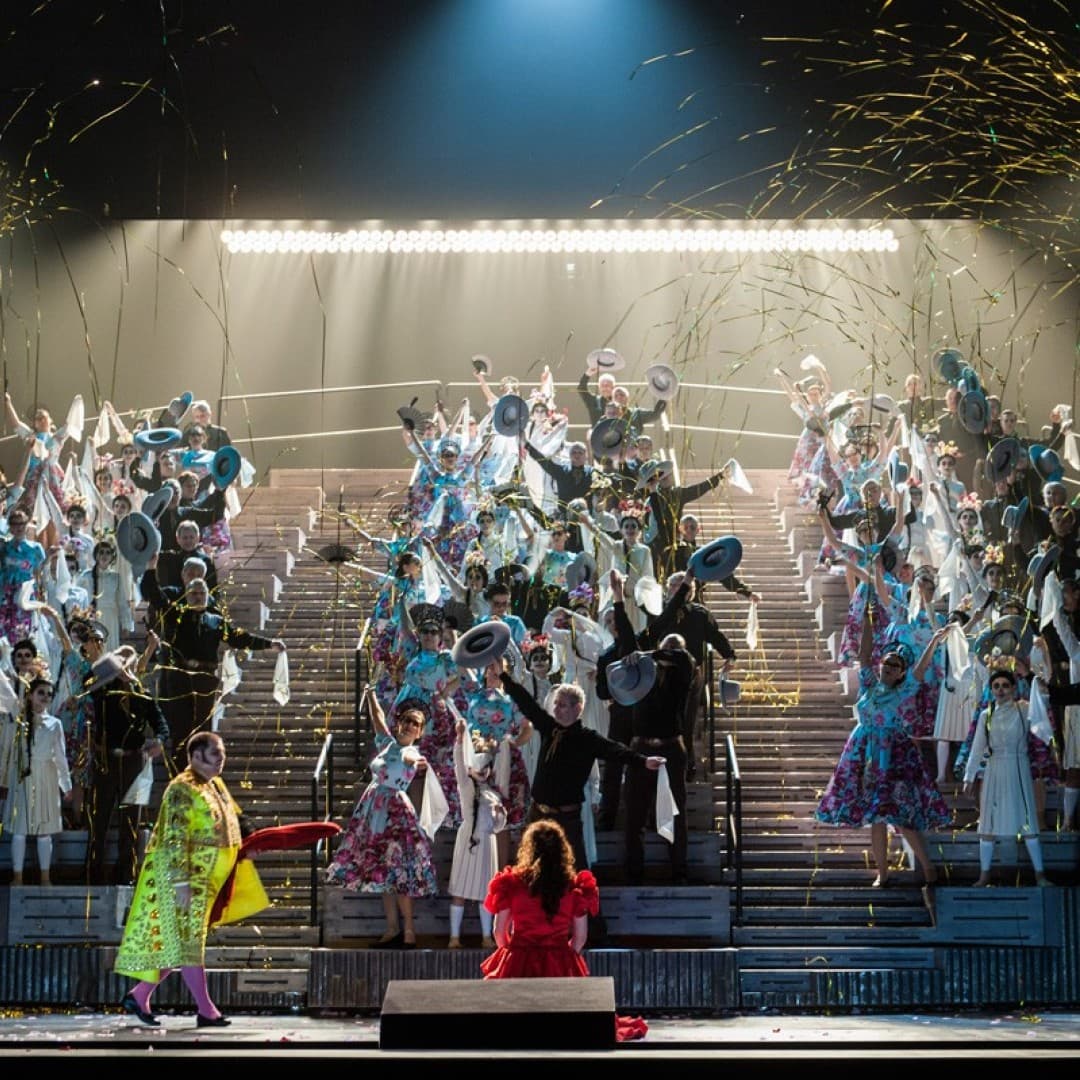
Director Ole Anders Tandberg takes up these ambivalences and works with iconic images: the bright red flamenco dress, the torero costume and the bullring. But these symbols are not left uncommented upon; instead, they are exaggerated to the point of the grotesque and the macabre. An emotional rollercoaster ride with catchy tunes like the Habanera and the Toreador Song that will linger long in memory. Argentinian conductor Alejo Pérez, General Music Director of Teatro Colón in Buenos Aires, makes his debut at Deutsche Oper Berlin. Gaëlle Arquez brings charm and sophistication to the French Carmen, and later our new ensemble member Kristina Stanek introduces herself as the new Berlin Carmen.
Director Ole Anders Tandberg takes up these ambivalences and works with iconic images: the bright red flamenco dress, the torero costume and the bullring. But these symbols are not left uncommented upon; instead, they are exaggerated to the point of the grotesque and the macabre. An emotional rollercoaster ride with catchy tunes like the Habanera and the Toreador Song that will linger long in memory. Argentinian conductor Alejo Pérez, General Music Director of Teatro Colón in Buenos Aires, makes his debut at Deutsche Oper Berlin. Gaëlle Arquez brings charm and sophistication to the French Carmen, and later our new ensemble member Kristina Stanek introduces herself as the new Berlin Carmen.
Cast
Ole Anders Tandberg
Director
Alejo Pérez
Conductor
Erlend Birkeland
Stage design
Maria Geber
Costume design
Ellen Ruge
Light design
Marco Medved
Chorus direction
Christian Lindhorst
Children’s chorus direction
Silke Sense
Choreography
Katharina Duda
Dramaturgy
Jörg Königsdorf
Dramaturgy
Gaëlle Arquez
Carmen
Kristina Stanek
Carmen
Julieth Lozano
Frasquita
Maria Warenberg
Mercédès
Karis Tucker
Mercédès
Martina Russomanno
Micaëla
Amina Edris
Micaëla
Edgaras Montvidas
Don José
Andrei Danilov
Don José
Tom Nicholson
Moralès
Mark Kurmanbayev
Zuniga
Nicolai Elsberg
Zuniga
Bongani Justice Kubheka
Escamillo
Byung Gil Kim
Escamillo
Omar Mancini
Remendado
Thomas Cilluffo
Remendado
Vincenzo Neri
Dancaïro
Kinderchor der Deutschen Oper Berlin
Chorus
Chor der Deutschen Oper Berlin
Chorus
Orchester der Deutschen Oper Berlin
Orchestra
Dates
Deutsche Oper Berlin
Bismarckstraße 35, 10627 Berlin
To enable Google Maps please accept functional cookies.