Deutsche Oper Berlin
Turandot
Opera
Bismarckstraße 35, 10627 Berlin
Giacomo Puccini
© 2015 Bettina Stöß
© 2023 Bettina Stöß
© 2023 Bettina Stöß
© 2023 Bettina Stöß
© 2023 Bettina Stöß
© 2023 Bettina Stöß
© 2023 Bettina Stöß
© 2023 Bettina Stöß
© 2023 Bettina Stöß
© 2023 Bettina Stöß
© 2023 Bettina Stöß
© 2023 Bettina Stöß
© 2023 Bettina Stöß
© 2023 Bettina Stöß
© 2023 Bettina Stöß
© 2023 Bettina Stöß
© 2023 Bettina Stöß
© 2023 Bettina Stöß
© 2015 Bettina Stöß
© Ruth Tromboukis
Description
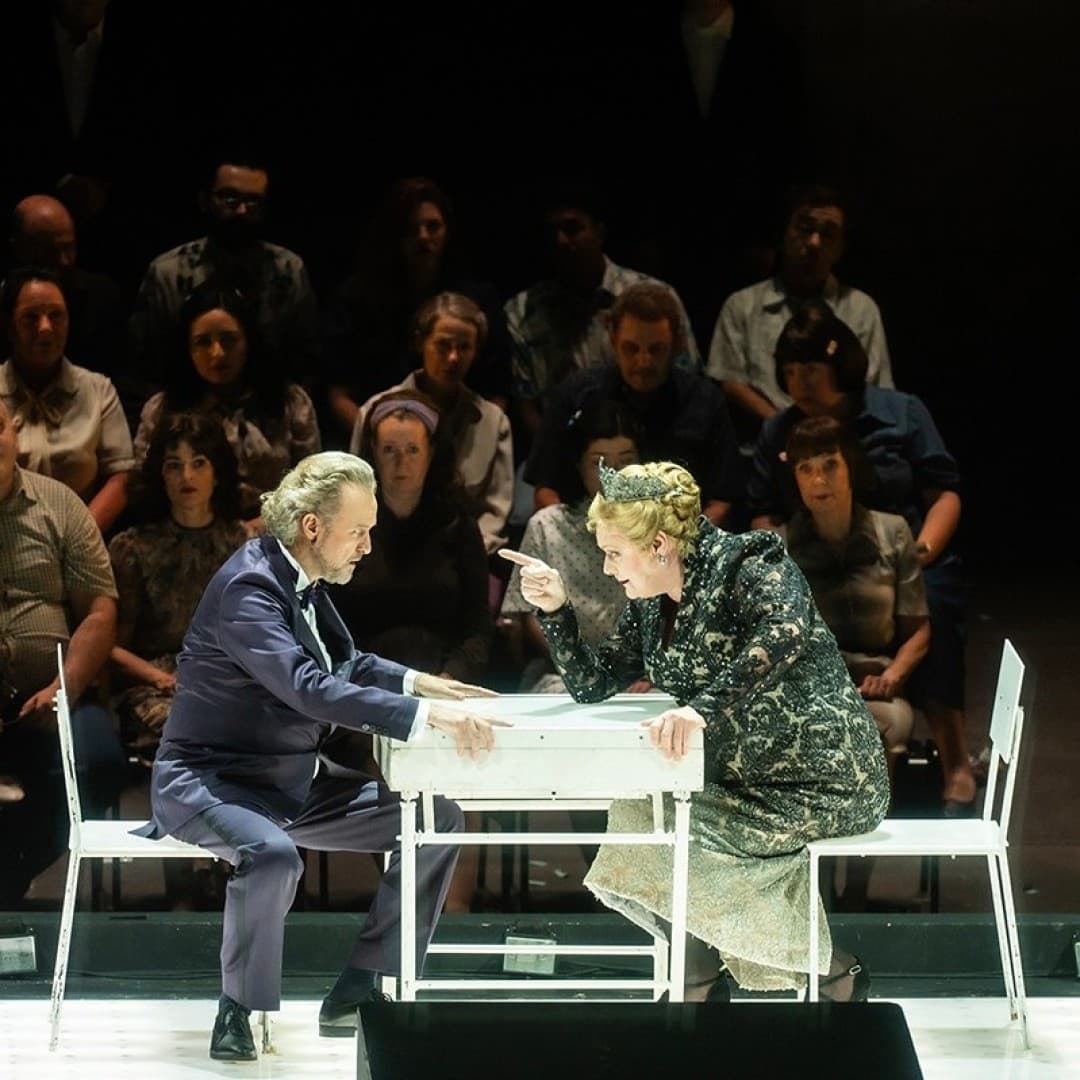
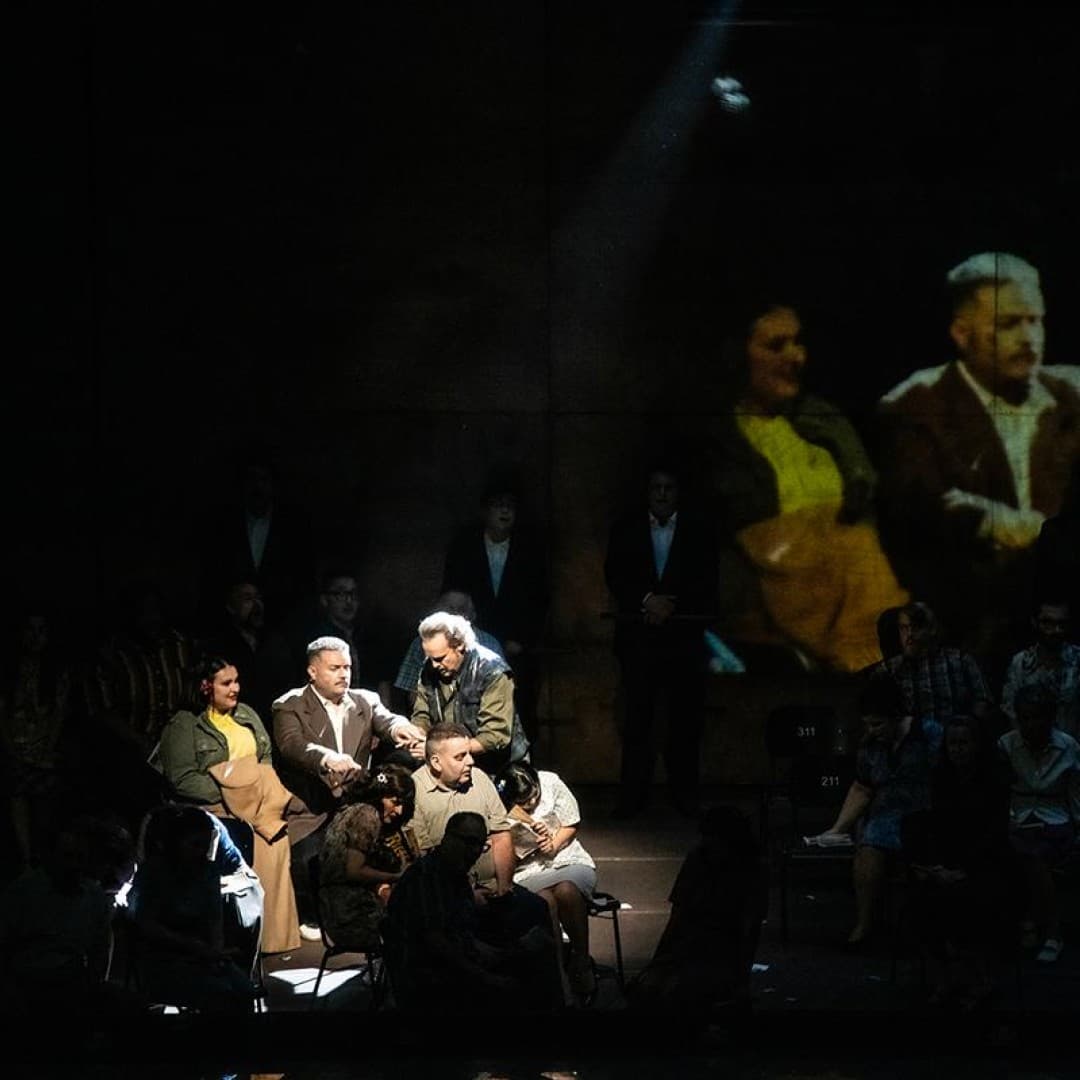
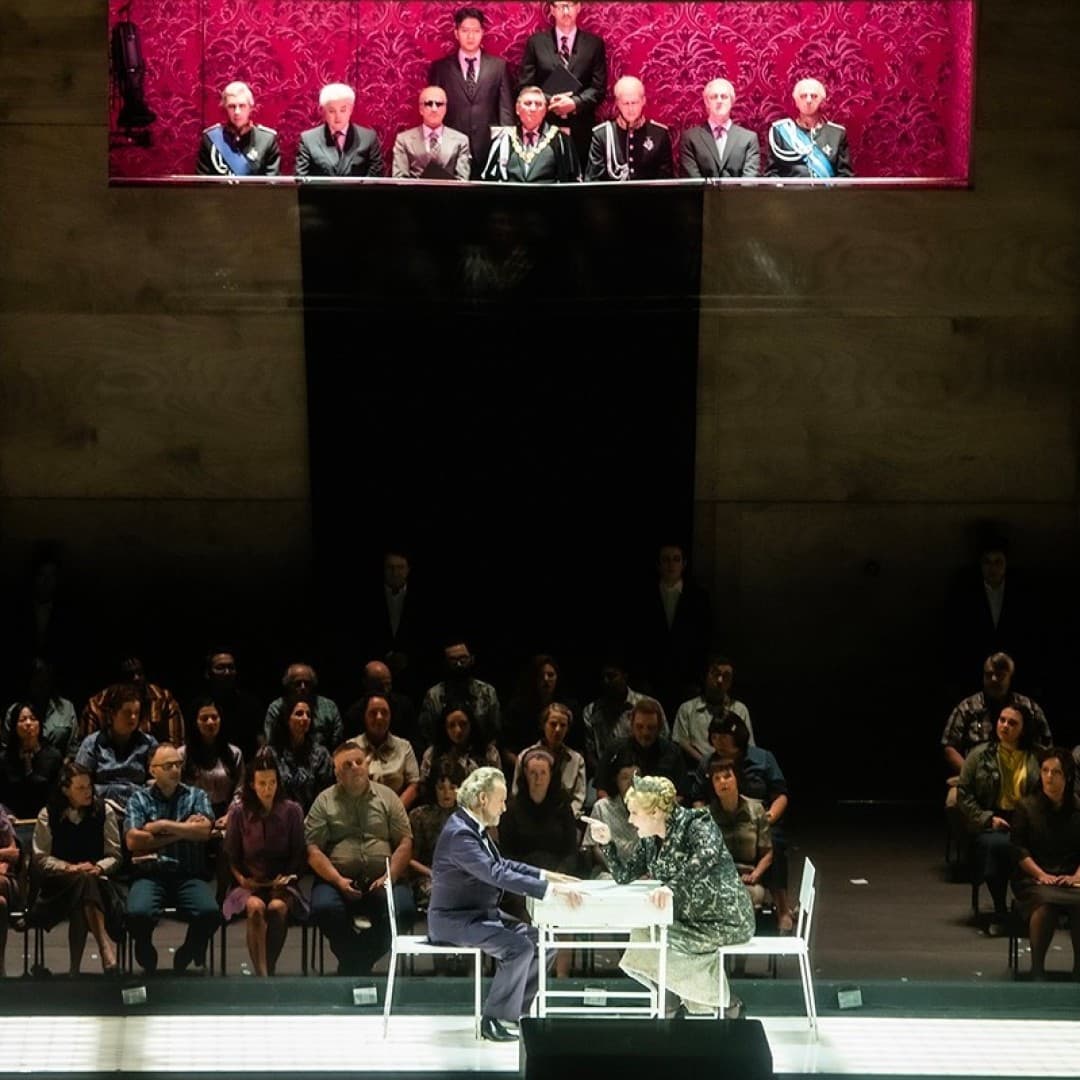
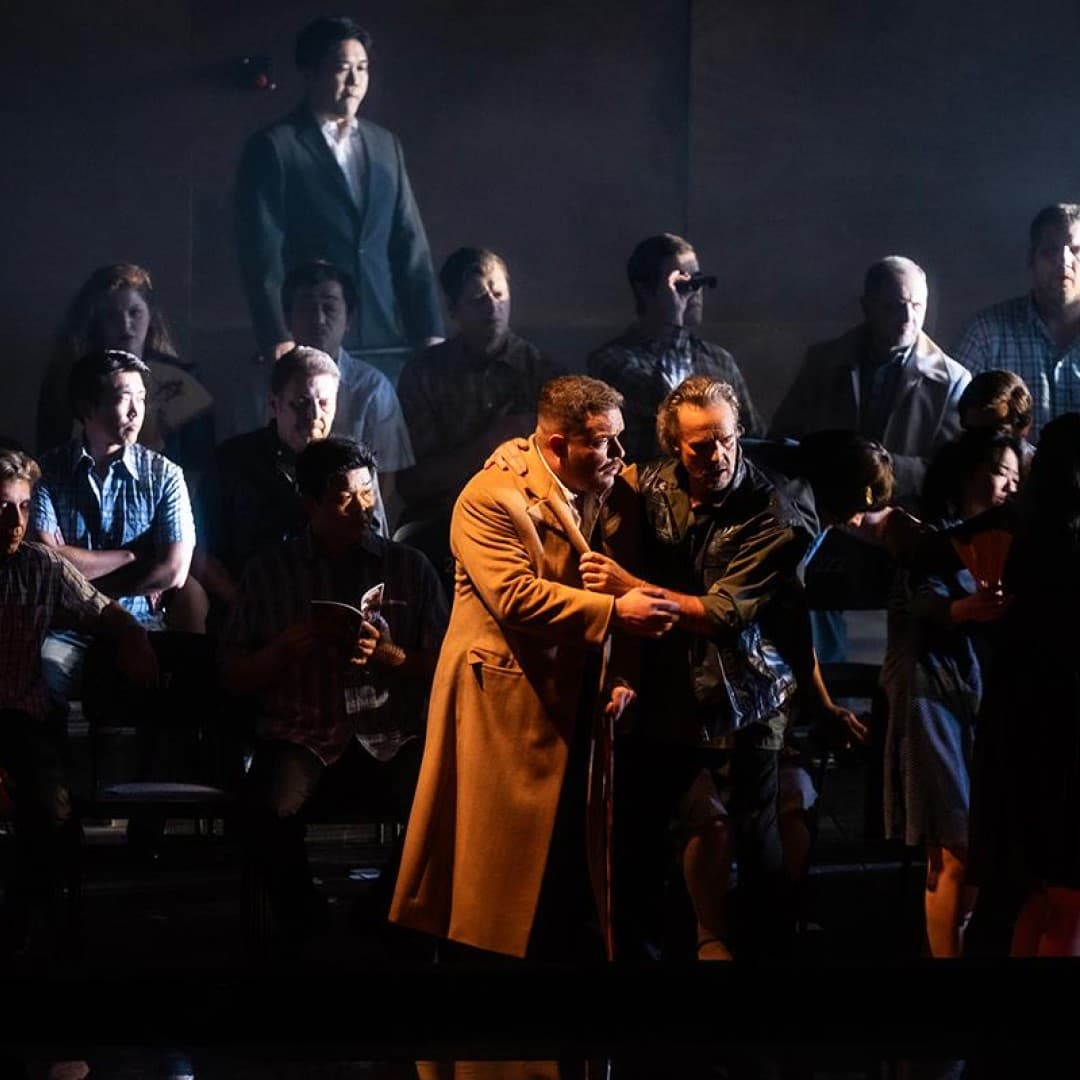
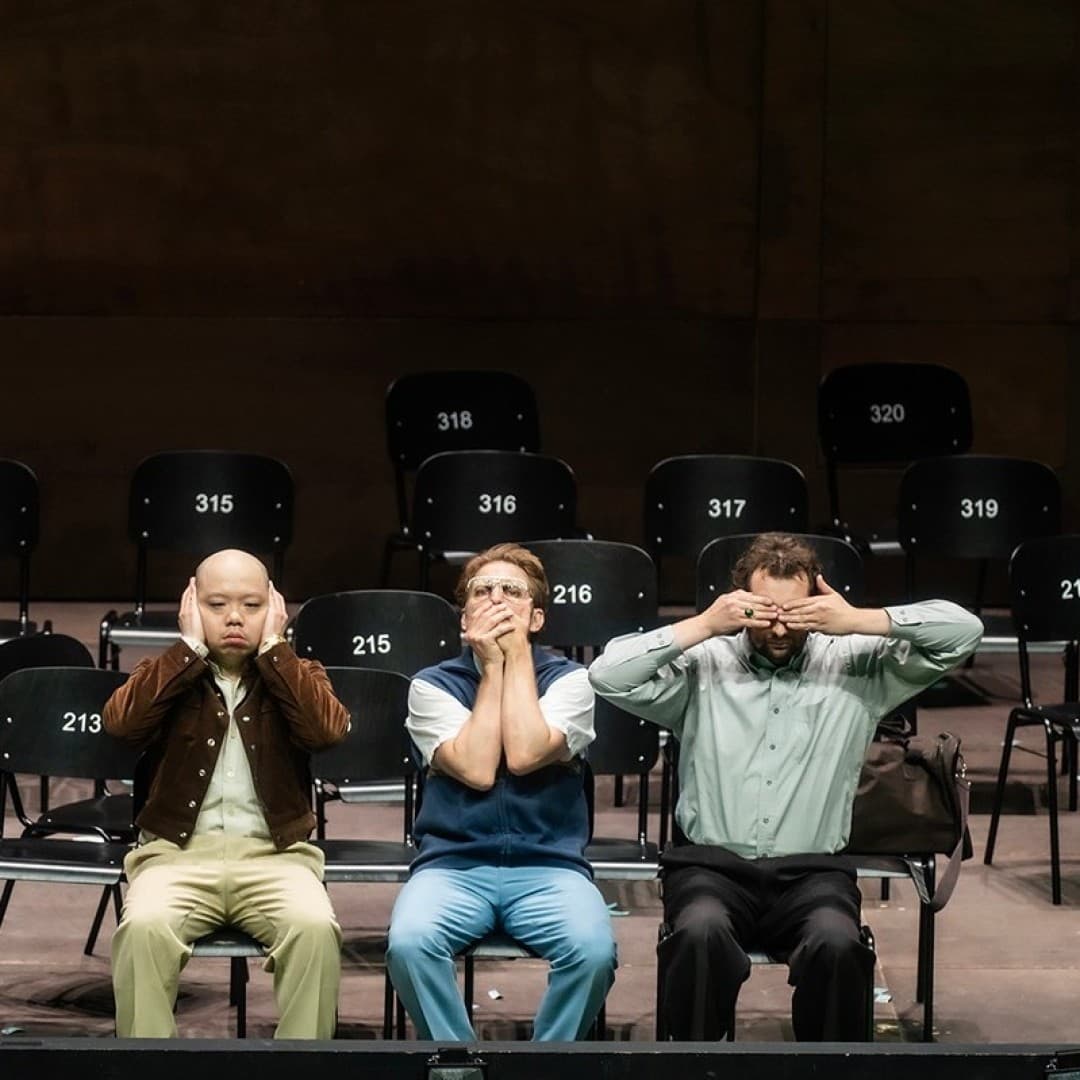
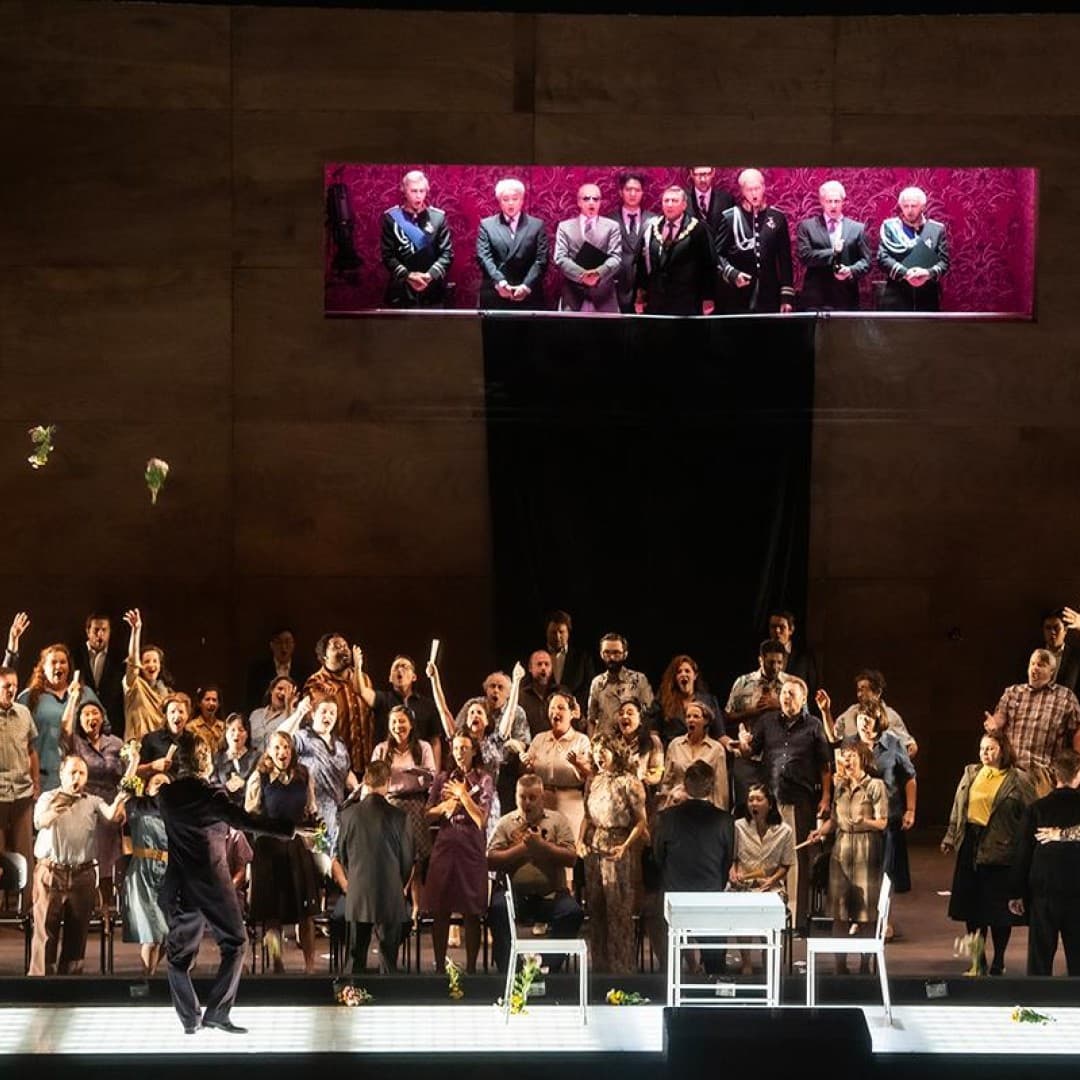
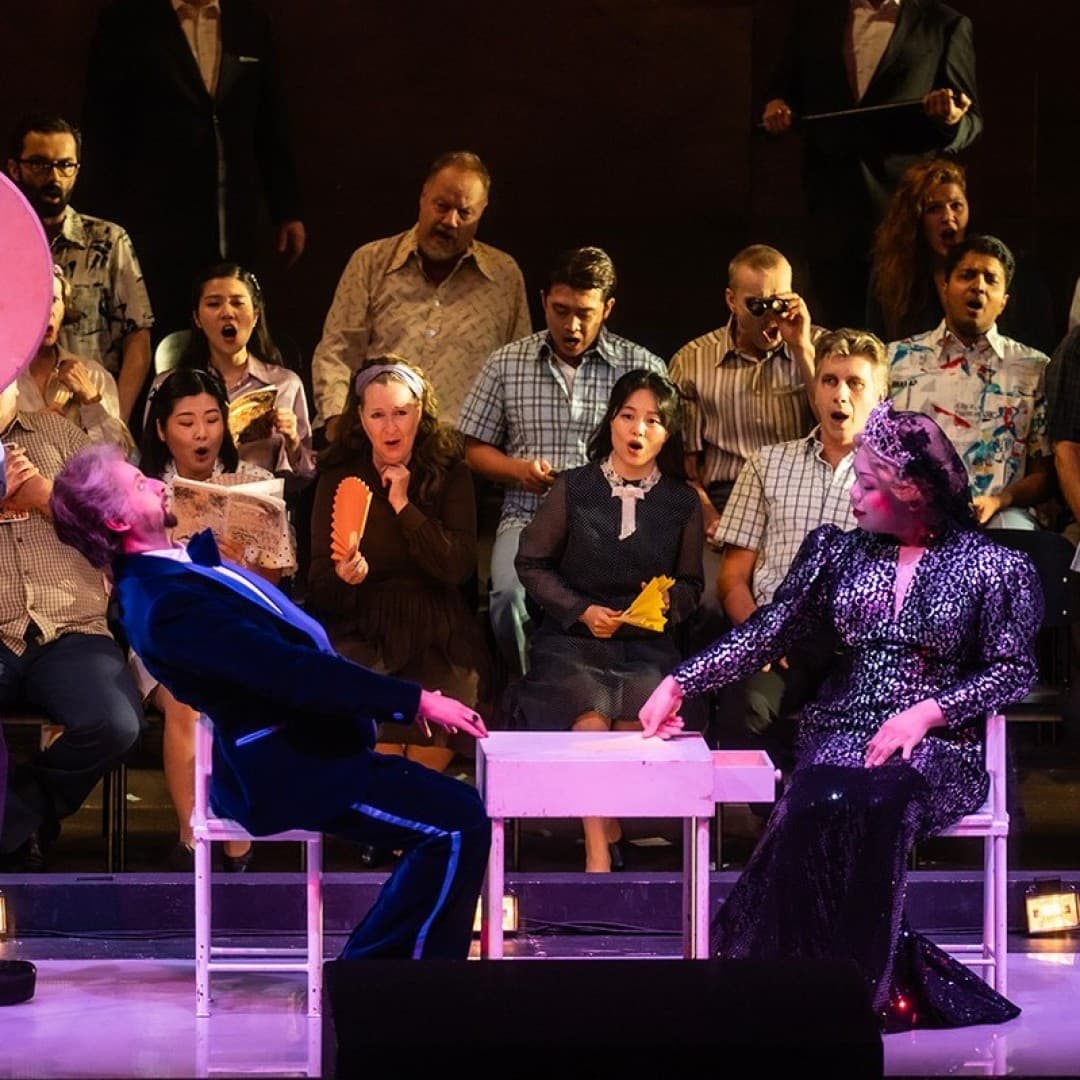
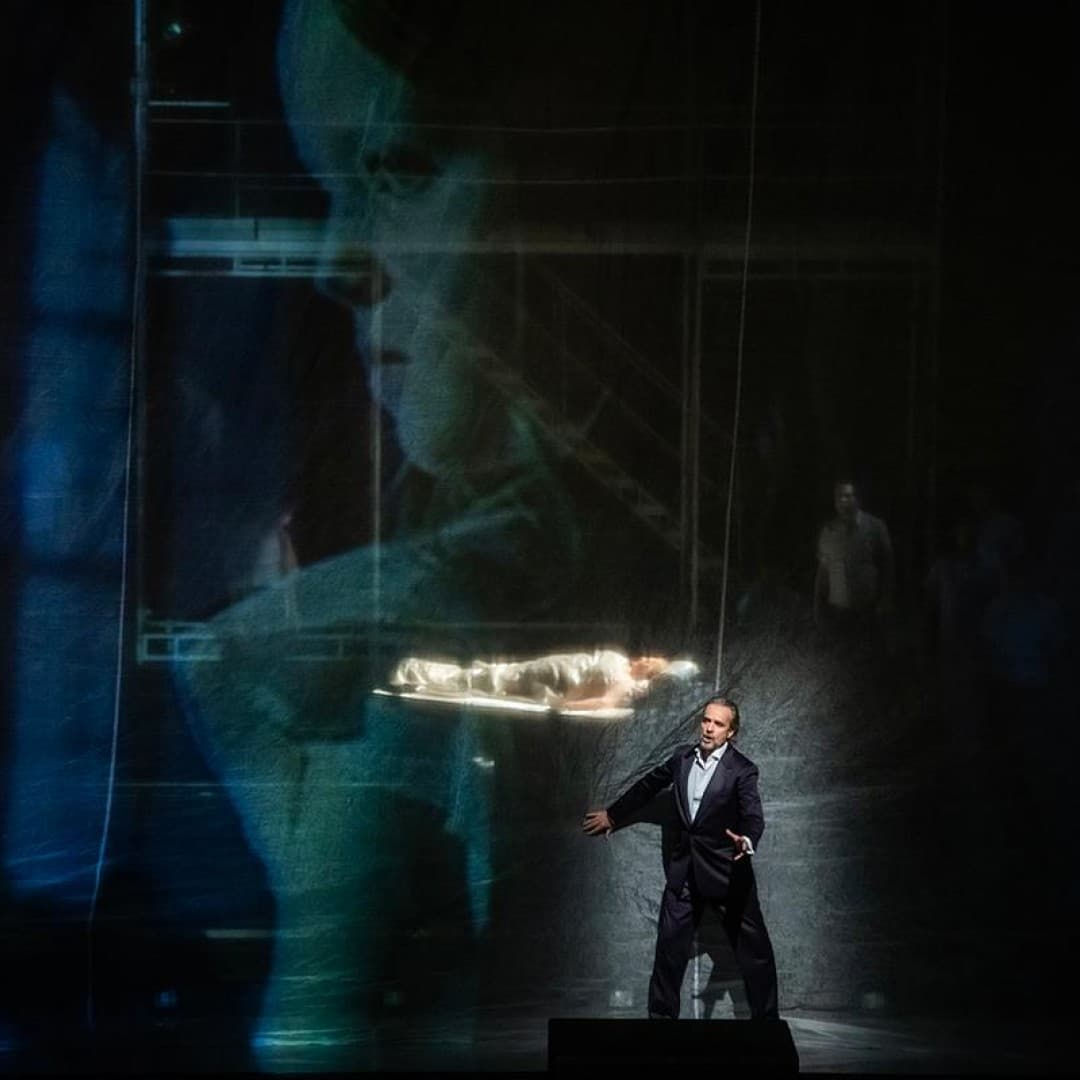
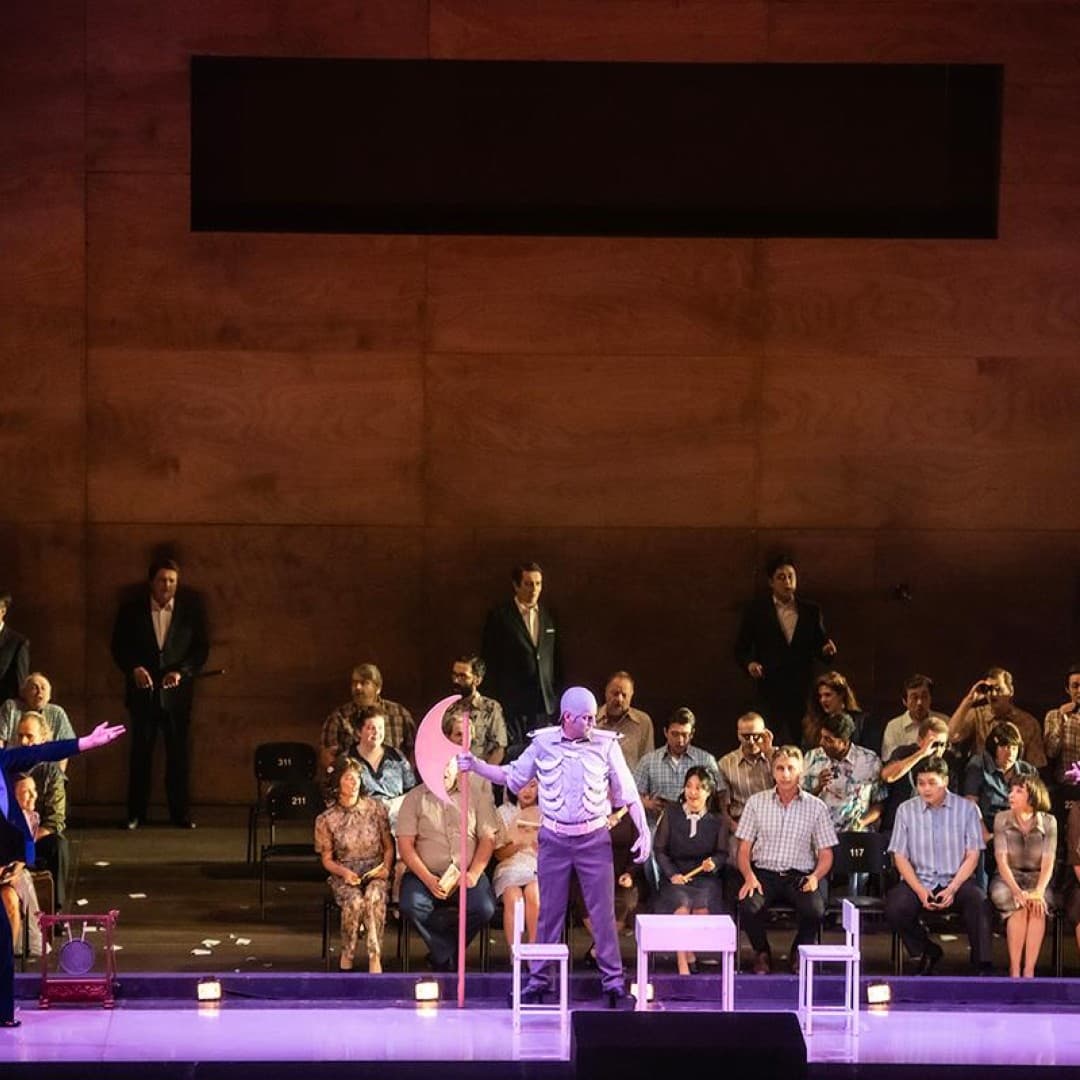
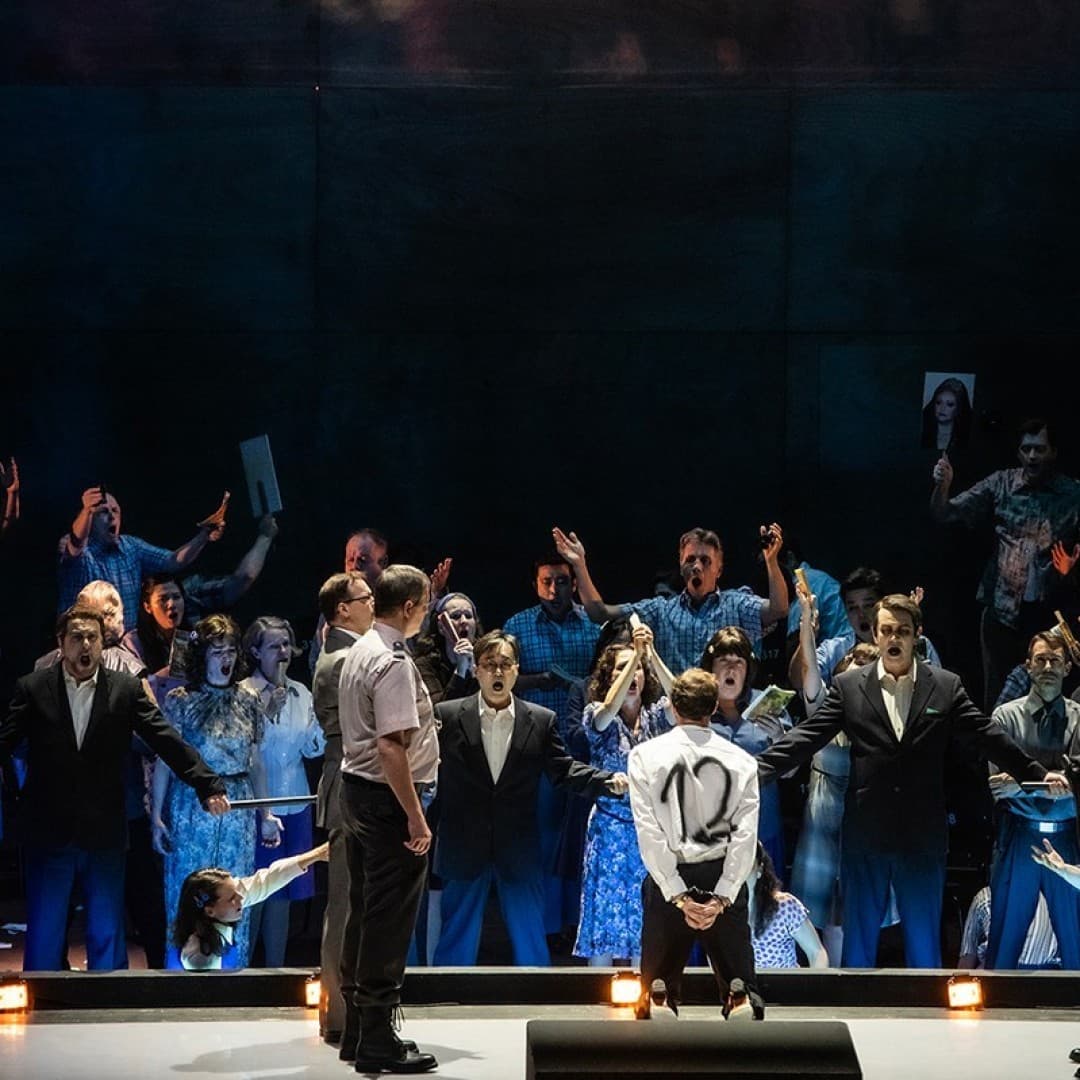
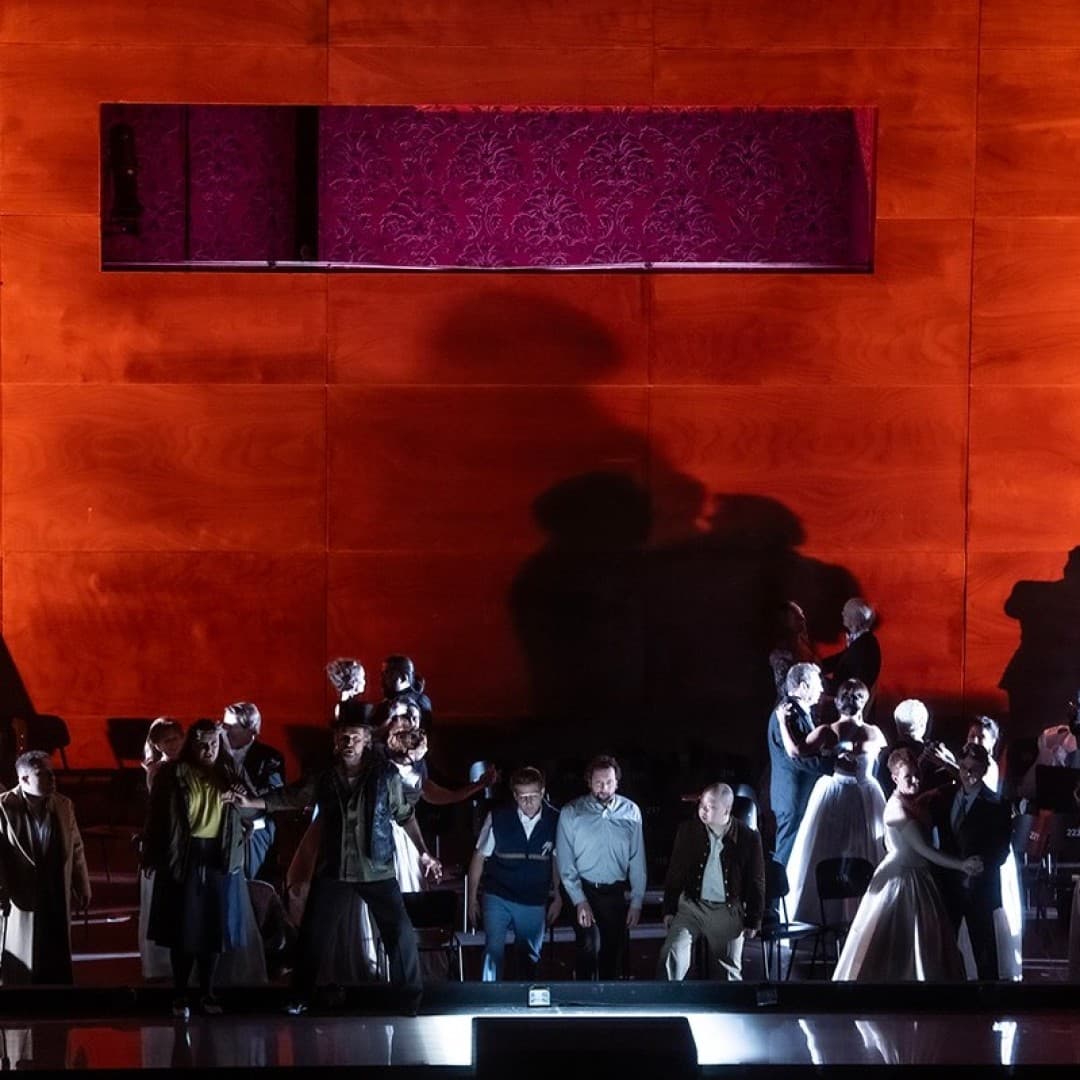
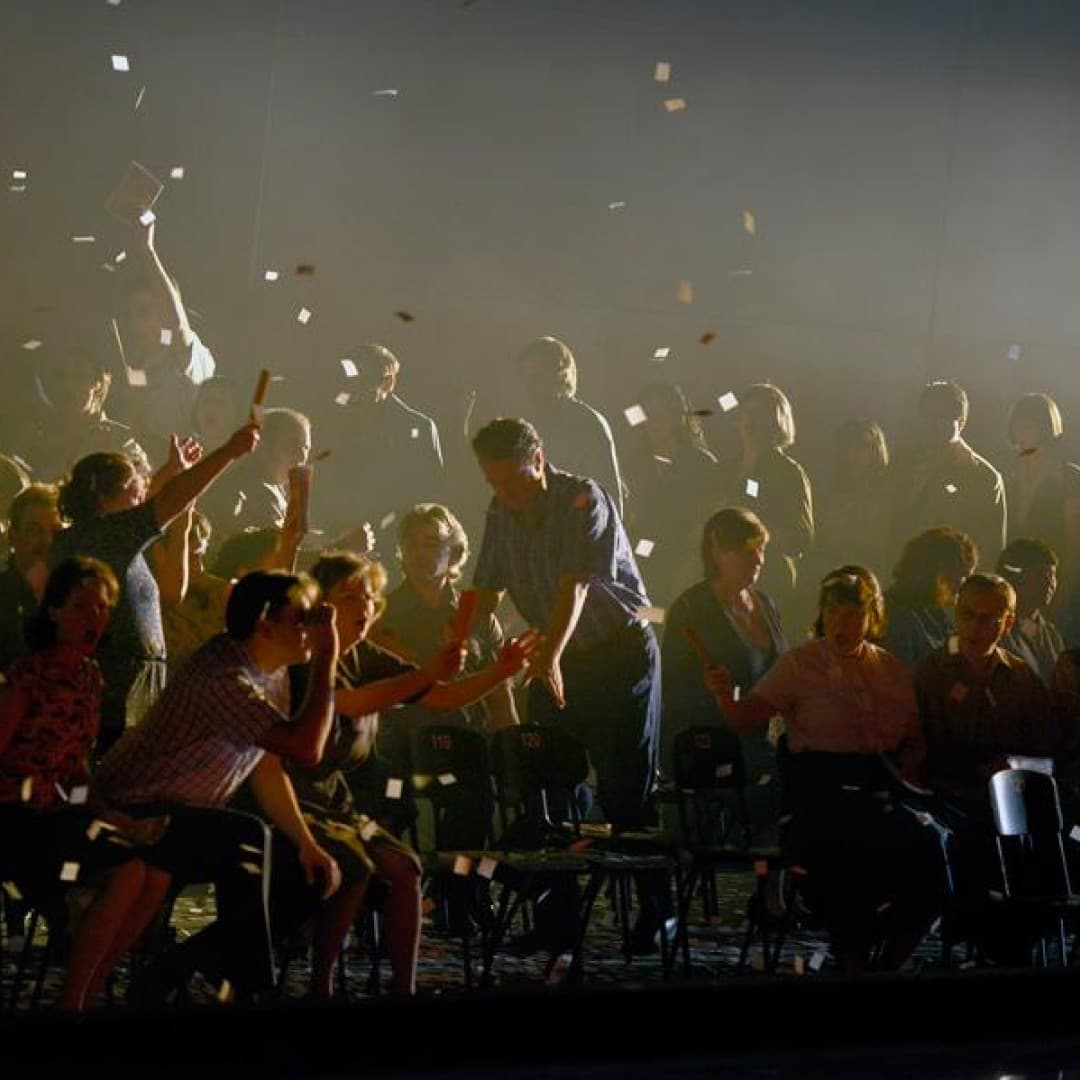
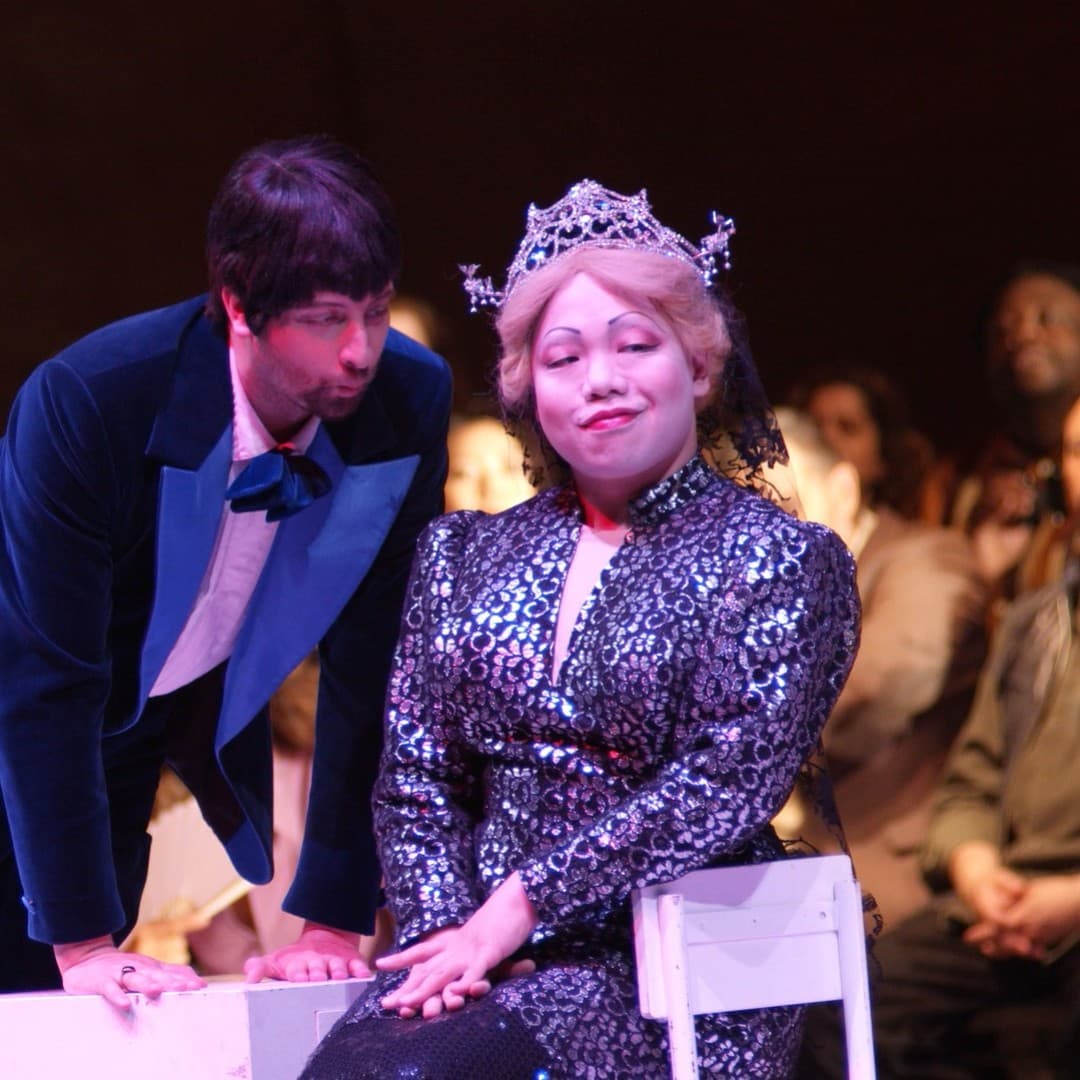
In his last opera, which was left unfinished, Puccini explored the aesthetics of the new mass medium of film. Lorenzo Fioroni's production builds a bridge between the oppressed but sensation-seeking Chinese opera-going public and the consumers of the modern media world
About the work
A nation is cowed by its princess. Turandot, beautiful and fascinating representative of a royal dynasty, presides over a gruesome ritual: only her marriage to a suitor will bring an end to the violence, but no would-be bridegroom has yet managed to solve the riddles. The same old spectacle plays out, ending in yet another execution, until Calaf, the son of a deposed ruler from a foreign land, unexpectedly answers the riddles correctly. He then turns the tables on Turandot, forcing her to answer his own question if she wants to steal out of her obligation. Puccini’s times are changing rapidly, the art world is going through drastic transformation and new, abstract forms are being coined to reflect modern-day experience. And the composer, in his early 60s, is again trying to break new ground.
Puccini spent the last four years of his life working on Turandot , based on a fairy tale by Carlo Gozzi [1762]. The score was his richest and altogether most dissonant. Far from being the soundtrack to a cutesy picture of a doll-like China, the exotic music provided the backdrop to a world suffused in an atmosphere of unimaginable cruelty. Try as he might, Puccini never did settle on a resolution to his drama. The composer who was ever leery of happy endings never managed to escape from the dead-end that he’d created for himself through Liù’s sacrifice and the imminent pairing of Turandot and Calaf. The question of how the two might ever discover some common ground remained unanswered. Puccini was variously intrigued and repelled by the idea of presenting of an all-encompassing love as a means to redemption in the face of everything that speaks against it – and could not bring himself to paint such a utopia. He left only a fragment behind when he died and the Ricordi publishing house brought in the composer Franco Alfano to complete the opera, based on sketches left behind by Puccini.
About the production
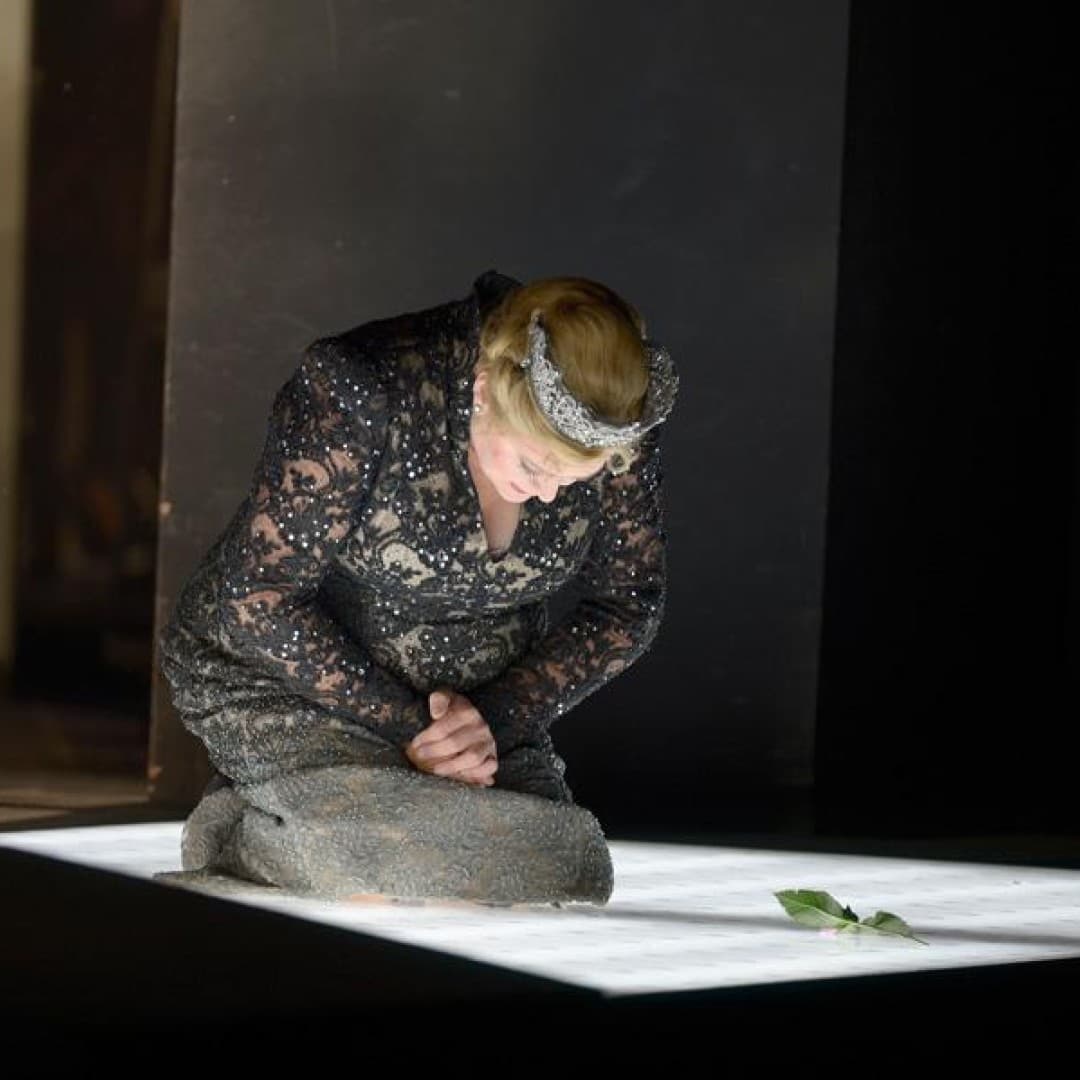
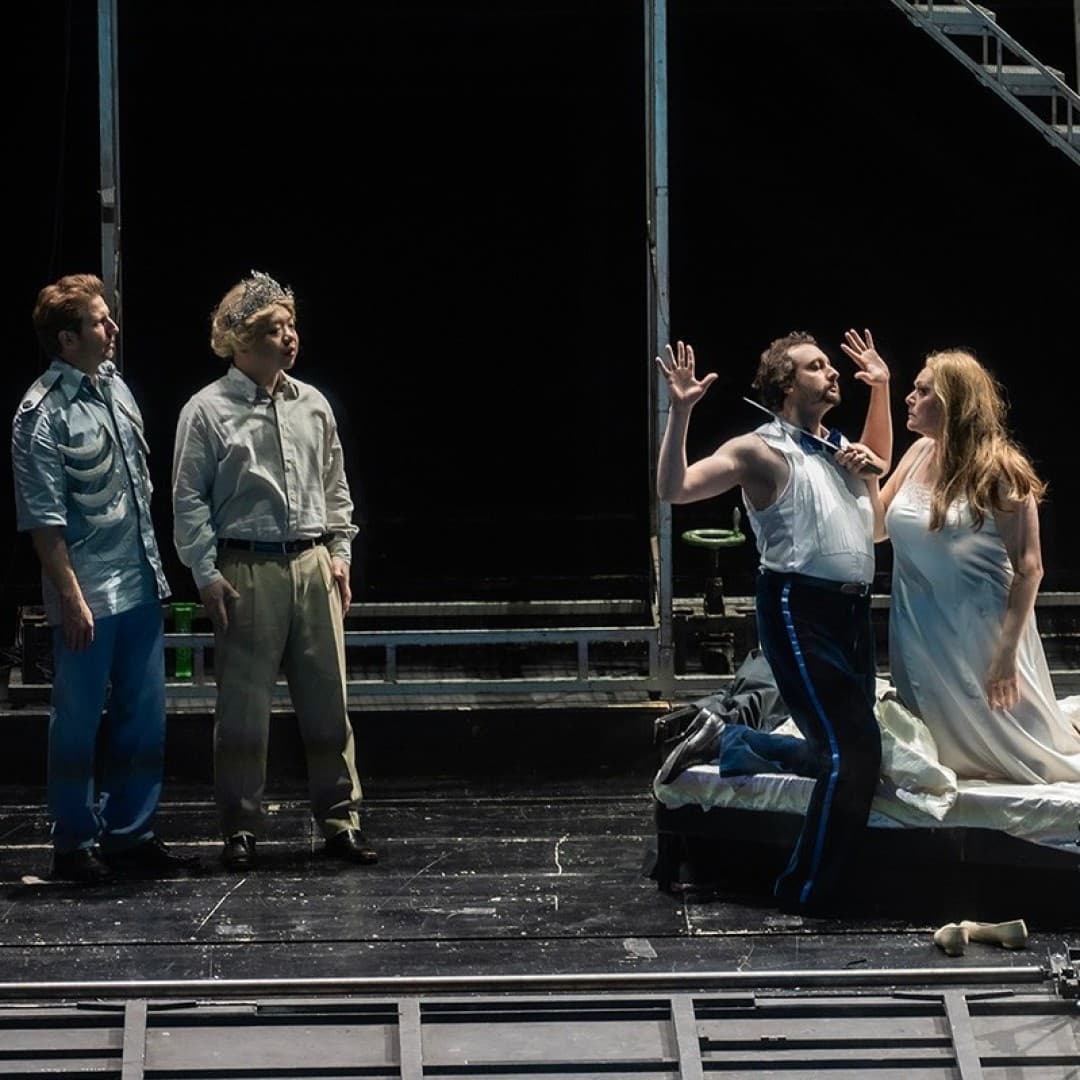
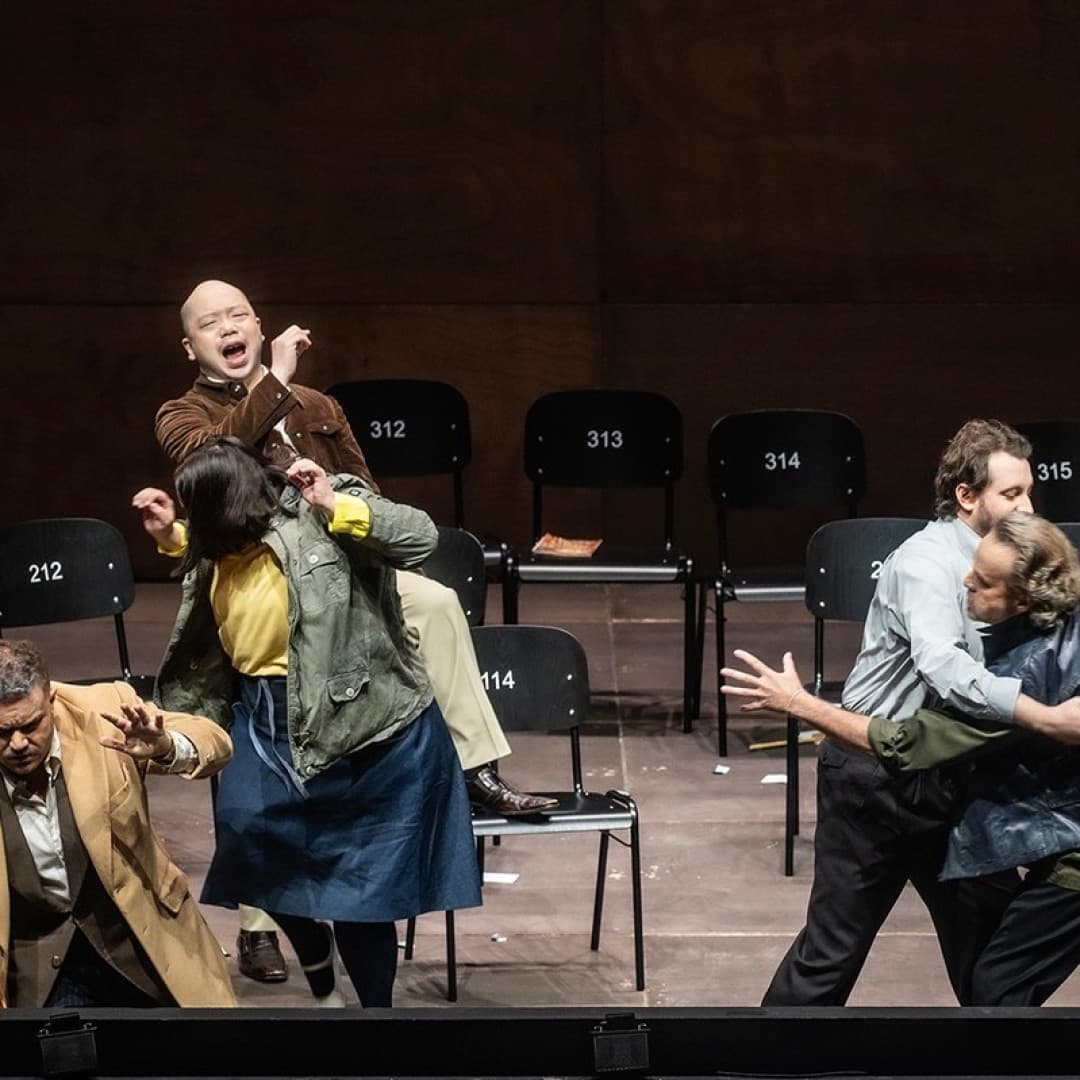
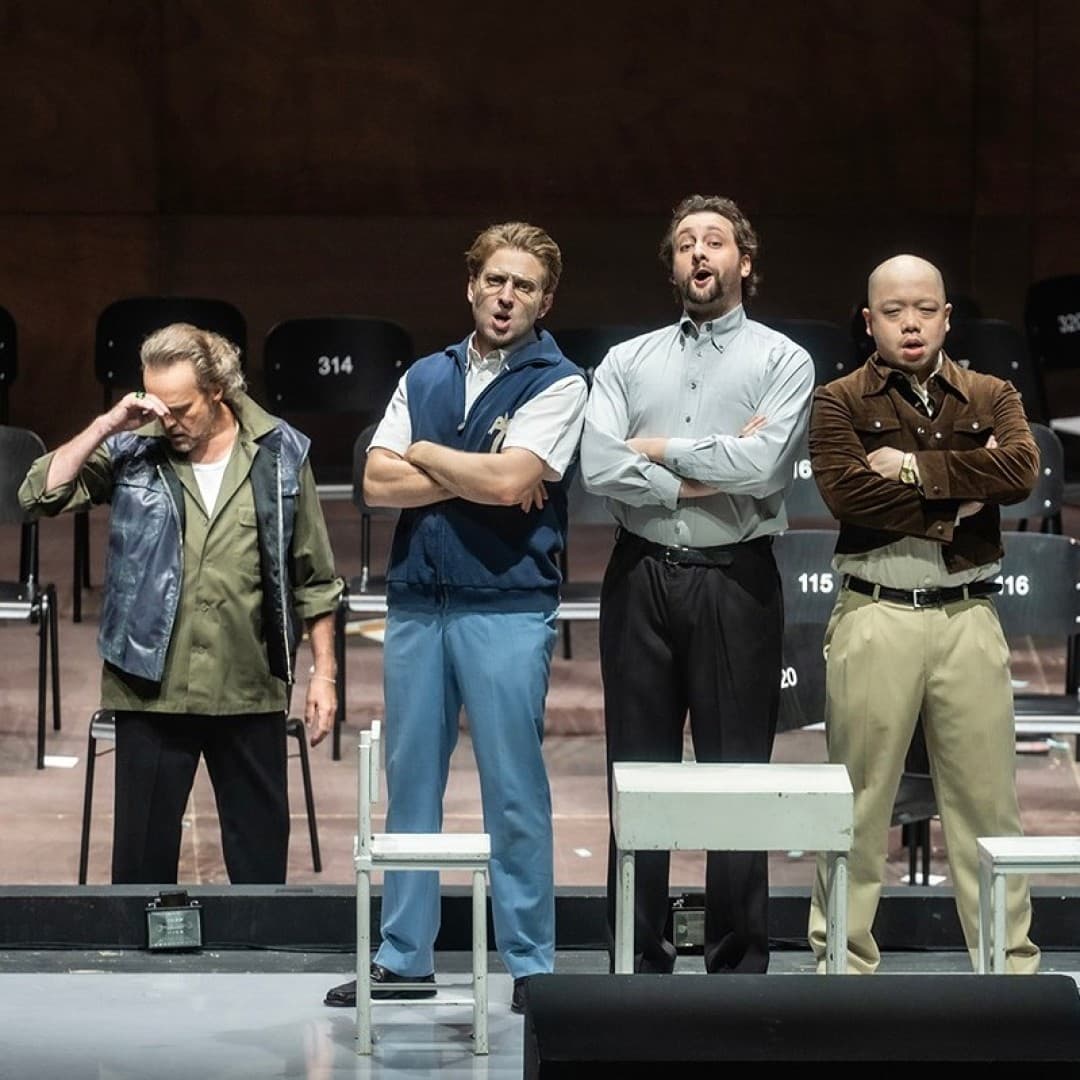
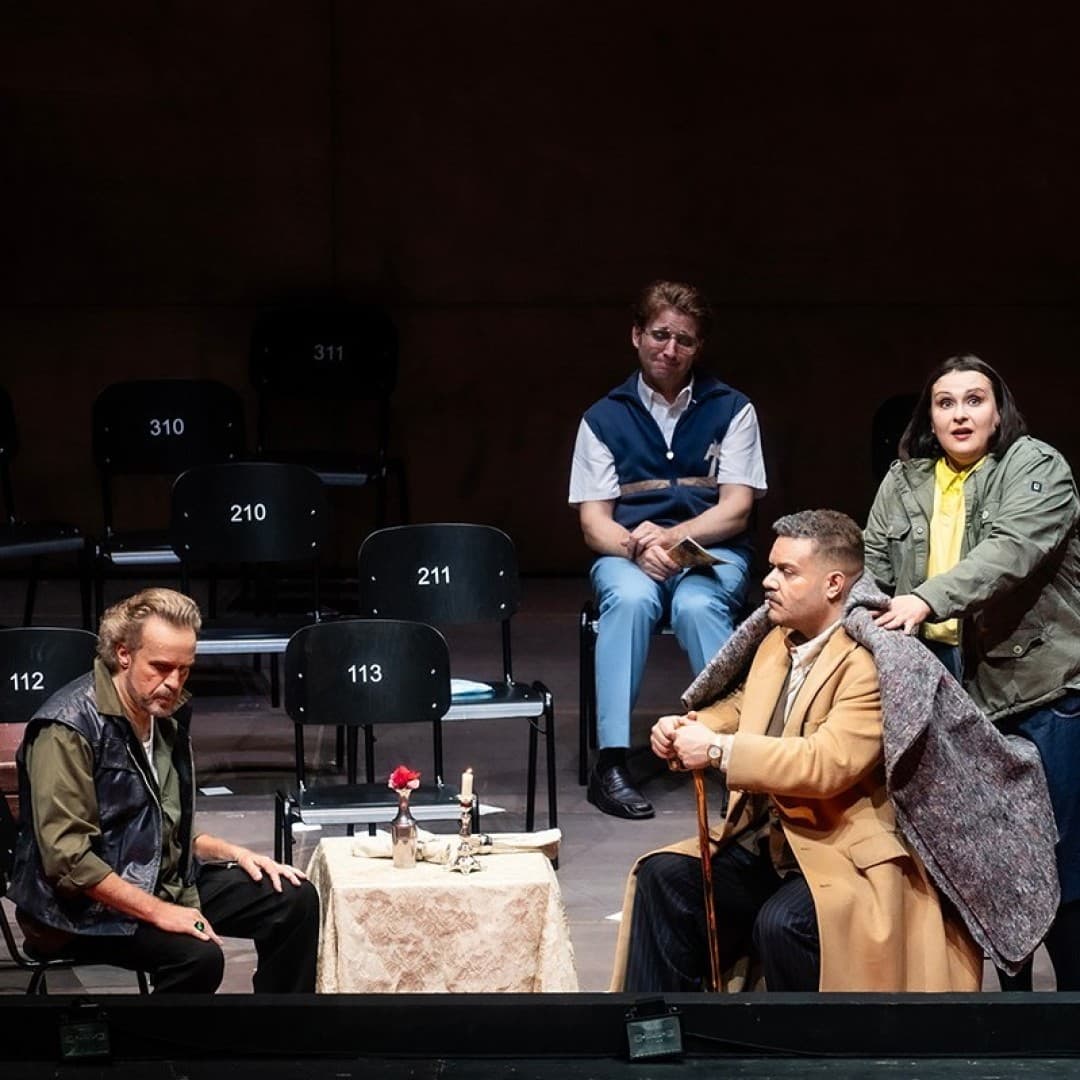
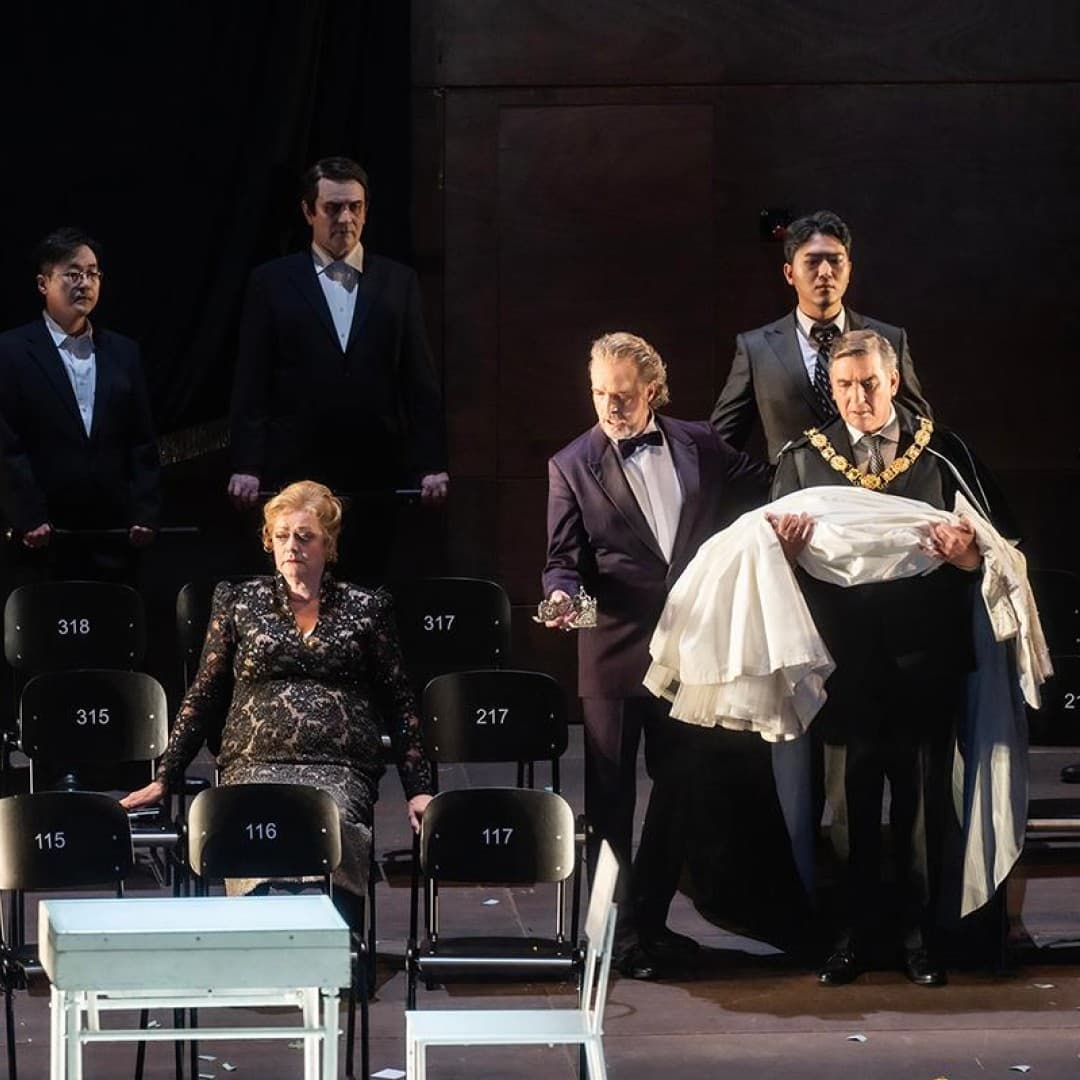
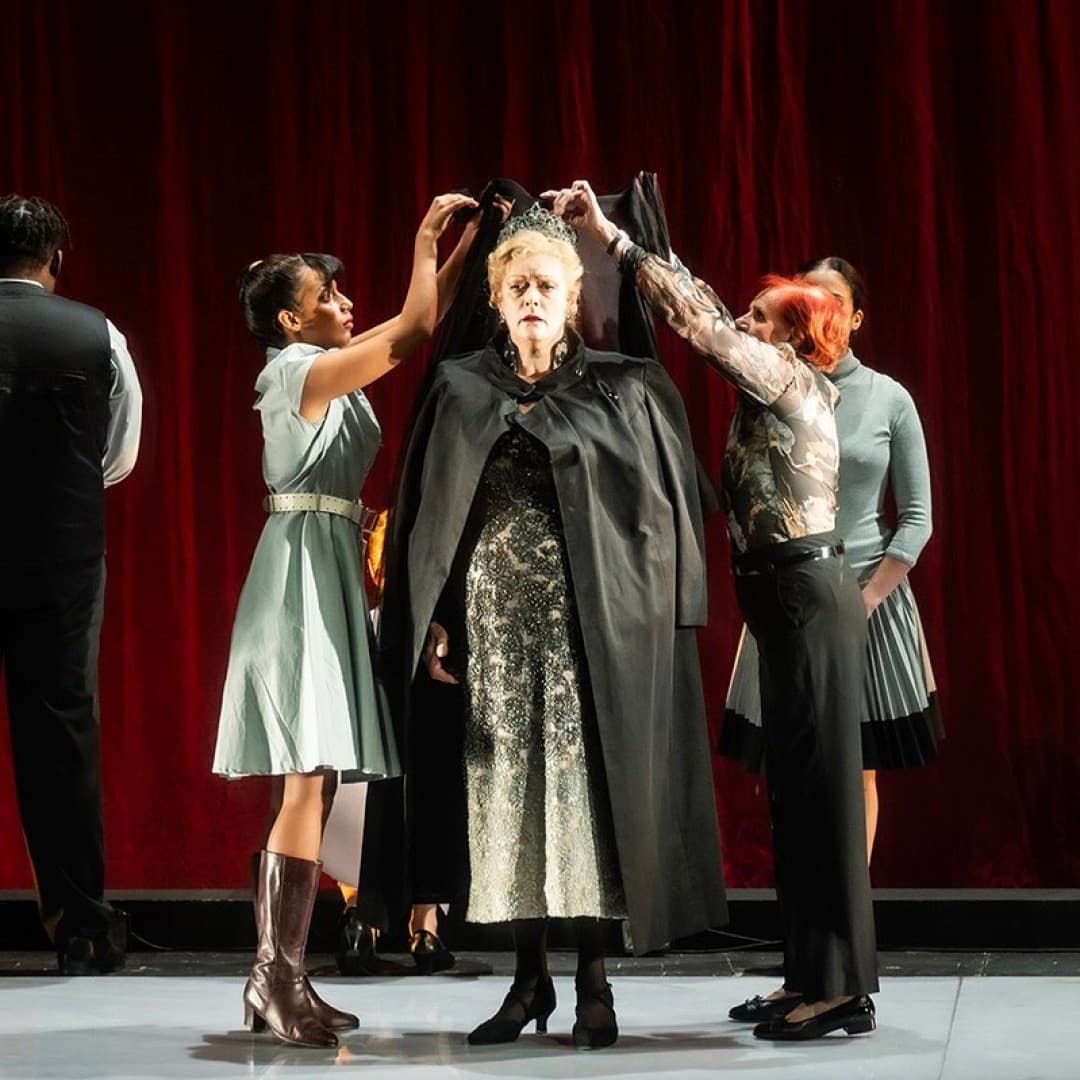
Lorenzo Fioroni’s production sets the action of the story in a fairy-tale realm of indeterminable period but one which nonetheless is reminiscent of modern-day dictatorships. The riddle and execution scenes are dwelt on and give the impression that violence plays a ritualistic, quasi-religious role. Pitted against this is the desire, expressed repeatedly by the elite and the plebs, to end the oppression and see all groups reconciled. It is on this taut spectrum between violent rule and a yearning for love that Calaf and Turandot circle each other. Yet instead of pouring oil on troubled waters, the new couple usher in a new era of terror.
Fioroni rummages in the psychologies of the main protagonists and discovers in both a marked tendency towards violence. Calaf, too, is the scion of a former despot and, by looking on as Liù sacrifices herself for him, shows that saving face and achieving his goals is more important to him than saving lives. And it is this area of unscrupulous overlap that makes his final pact with Turandot plausible. And so it goes: their unfolding passion is reflected not in an overturning of the brutal system but in a continuation of tyranny.
About the work
A nation is cowed by its princess. Turandot, beautiful and fascinating representative of a royal dynasty, presides over a gruesome ritual: only her marriage to a suitor will bring an end to the violence, but no would-be bridegroom has yet managed to solve the riddles. The same old spectacle plays out, ending in yet another execution, until Calaf, the son of a deposed ruler from a foreign land, unexpectedly answers the riddles correctly. He then turns the tables on Turandot, forcing her to answer his own question if she wants to steal out of her obligation. Puccini’s times are changing rapidly, the art world is going through drastic transformation and new, abstract forms are being coined to reflect modern-day experience. And the composer, in his early 60s, is again trying to break new ground.
Puccini spent the last four years of his life working on Turandot , based on a fairy tale by Carlo Gozzi [1762]. The score was his richest and altogether most dissonant. Far from being the soundtrack to a cutesy picture of a doll-like China, the exotic music provided the backdrop to a world suffused in an atmosphere of unimaginable cruelty. Try as he might, Puccini never did settle on a resolution to his drama. The composer who was ever leery of happy endings never managed to escape from the dead-end that he’d created for himself through Liù’s sacrifice and the imminent pairing of Turandot and Calaf. The question of how the two might ever discover some common ground remained unanswered. Puccini was variously intrigued and repelled by the idea of presenting of an all-encompassing love as a means to redemption in the face of everything that speaks against it – and could not bring himself to paint such a utopia. He left only a fragment behind when he died and the Ricordi publishing house brought in the composer Franco Alfano to complete the opera, based on sketches left behind by Puccini.
About the production
Lorenzo Fioroni’s production sets the action of the story in a fairy-tale realm of indeterminable period but one which nonetheless is reminiscent of modern-day dictatorships. The riddle and execution scenes are dwelt on and give the impression that violence plays a ritualistic, quasi-religious role. Pitted against this is the desire, expressed repeatedly by the elite and the plebs, to end the oppression and see all groups reconciled. It is on this taut spectrum between violent rule and a yearning for love that Calaf and Turandot circle each other. Yet instead of pouring oil on troubled waters, the new couple usher in a new era of terror.
Fioroni rummages in the psychologies of the main protagonists and discovers in both a marked tendency towards violence. Calaf, too, is the scion of a former despot and, by looking on as Liù sacrifices herself for him, shows that saving face and achieving his goals is more important to him than saving lives. And it is this area of unscrupulous overlap that makes his final pact with Turandot plausible. And so it goes: their unfolding passion is reflected not in an overturning of the brutal system but in a continuation of tyranny.
Cast
Daniel Carter
Conductor
Lorenzo Fioroni
Director
Orchester der Deutschen Oper Berlin
Orchestra
Chor der Deutschen Oper Berlin
Chorus
Kinderchor der Deutschen Oper Berlin
Chorus
---
Anna Pirozzi
Turandot
Burkhard Ulrich
Altoum
Angelo Villari
Calaf
Nina Solodovnikova
Liù
Volodymyr Morozov
Timur
Michael Bachtadze
Ping
Kangyoon Shine Lee
Pang
Thomas Cilluffo
Pong
Byung Gil Kim
A mandarin
N. N.
1st voice
Asahi Wada
2nd voice
---
Paul Zoller
Stage design
Katharina Gault
Costume design
Jeremy Bines
Chorus Master
Christian Lindhorst
Children's Chorus
Dates
Deutsche Oper Berlin
Bismarckstraße 35, 10627 Berlin
To enable Google Maps please accept functional cookies.