Deutsche Oper Berlin
Parsifal
Opera
Bismarckstraße 35, 10627 Berlin
Richard Wagner
© Bettina Stöß
© Bettina Stöß
© Bettina Stöß
© Bettina Stöß
© Bettina Stöß
© Bettina Stöß
© Bettina Stöß
© Bettina Stöß

© Bettina Stöß
© Bettina Stöß
© Bettina Stöß
© Bettina Stöß
© Bettina Stöß

© Bettina Stöß

© Bettina Stöß

© Bettina Stöß
© Bettina Stöß

© Bettina Stöß
© Bettina Stöß
Description
In german language with german and english subtitles
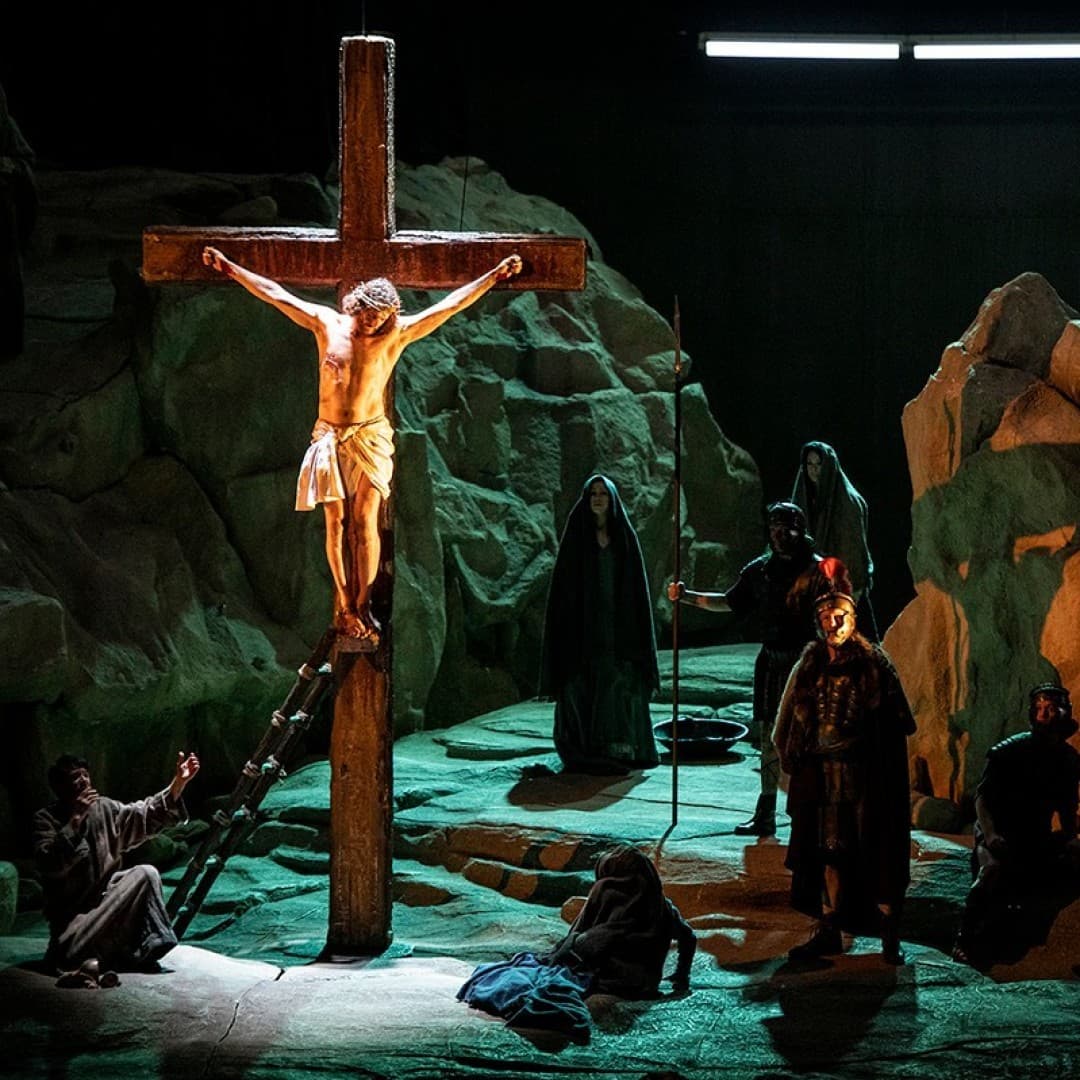
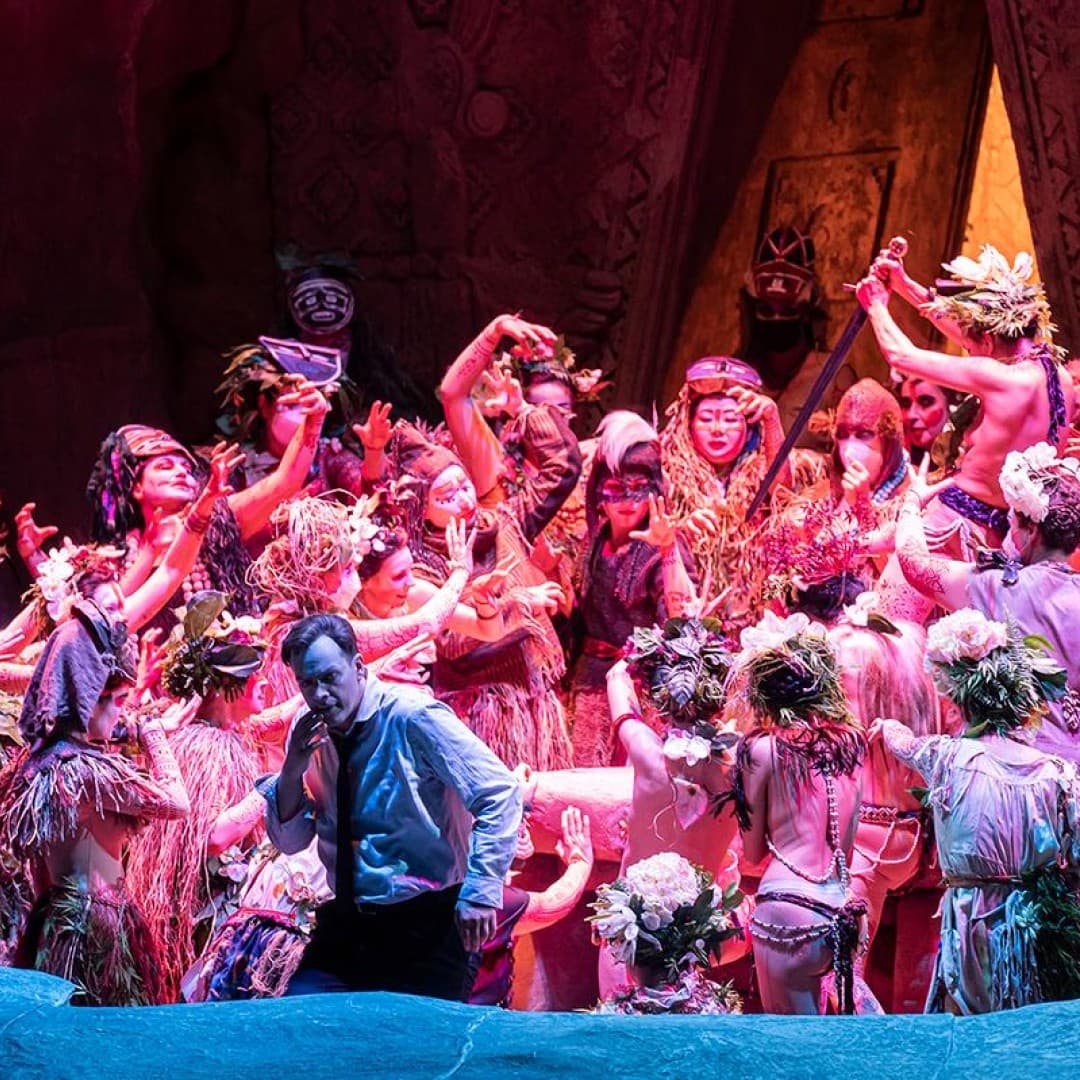
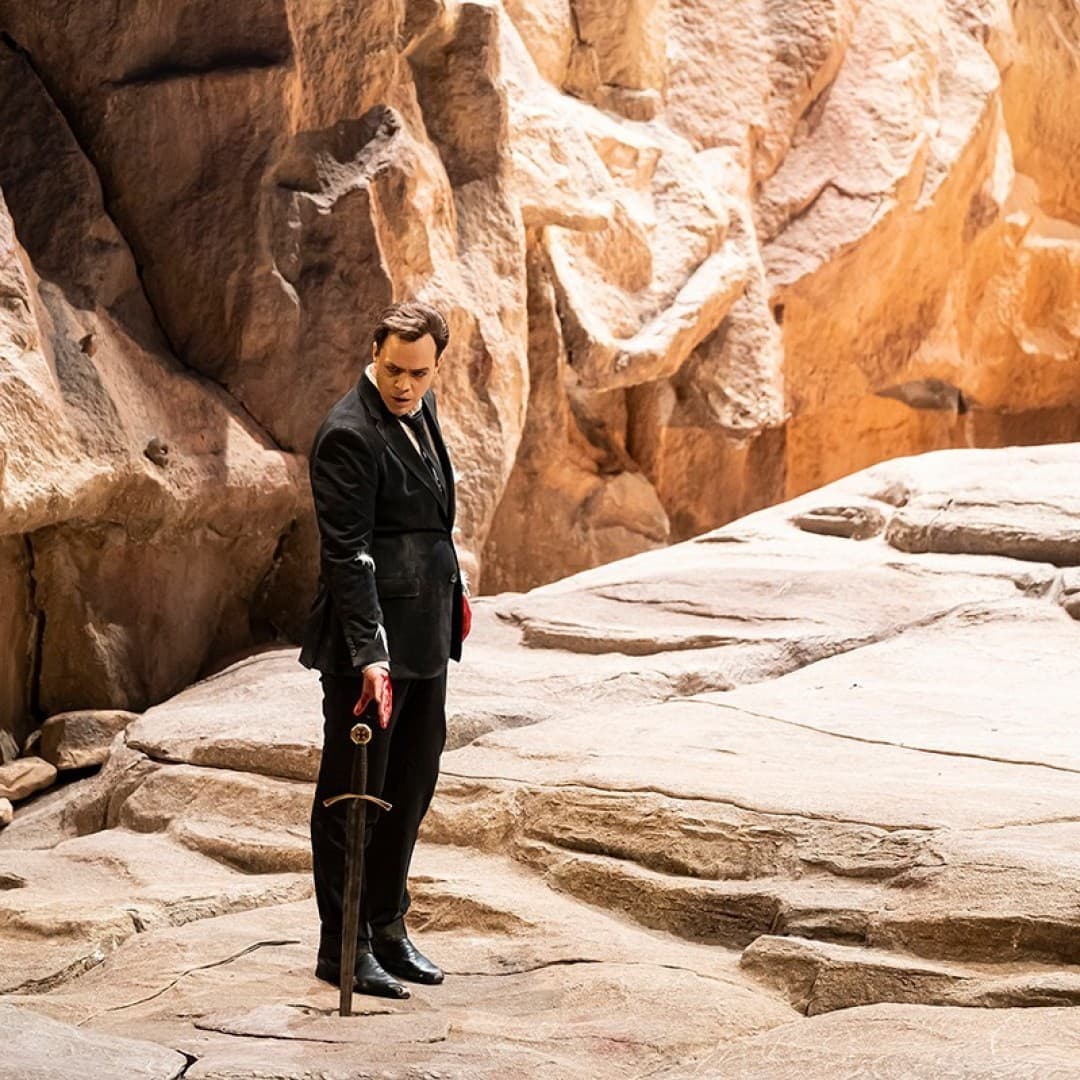
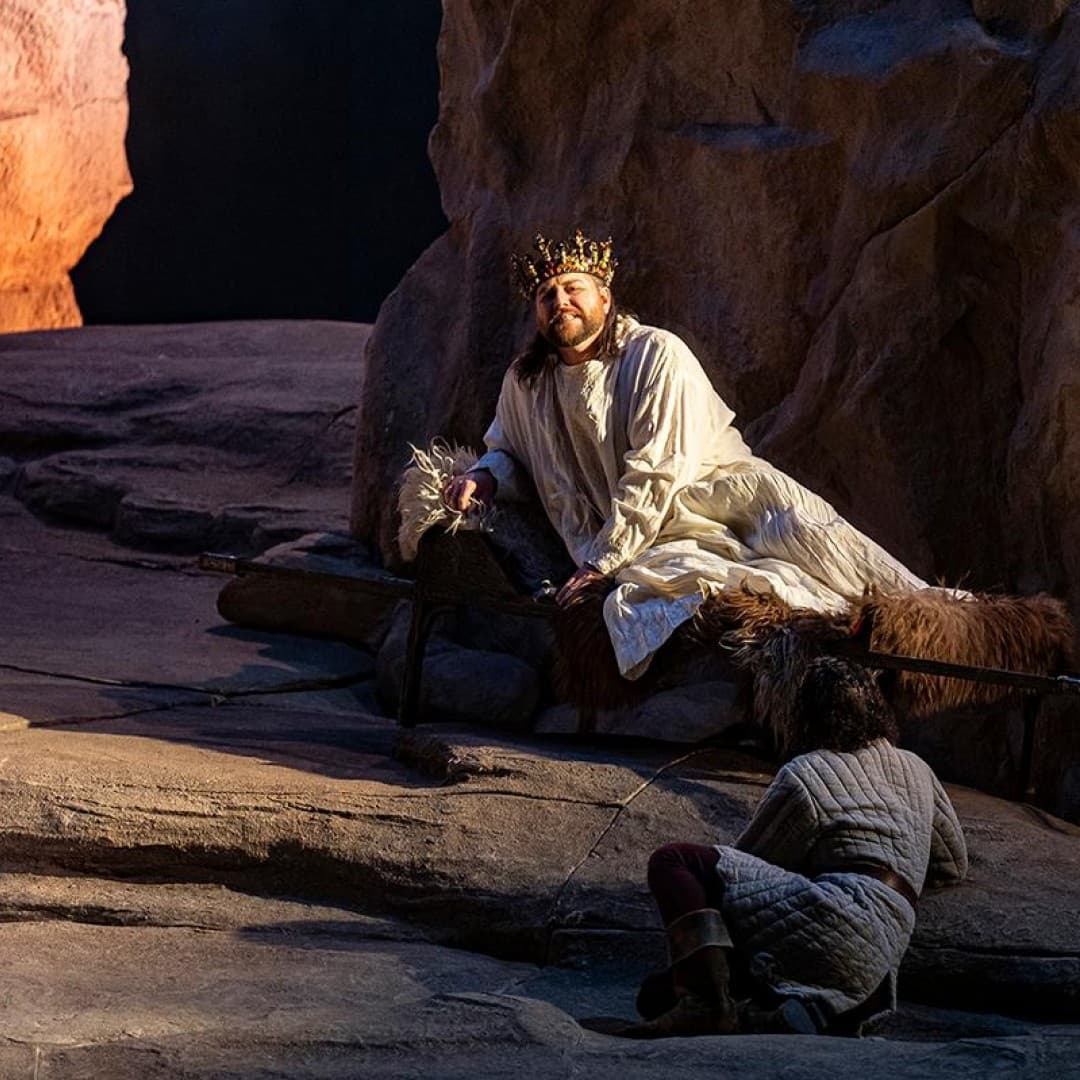
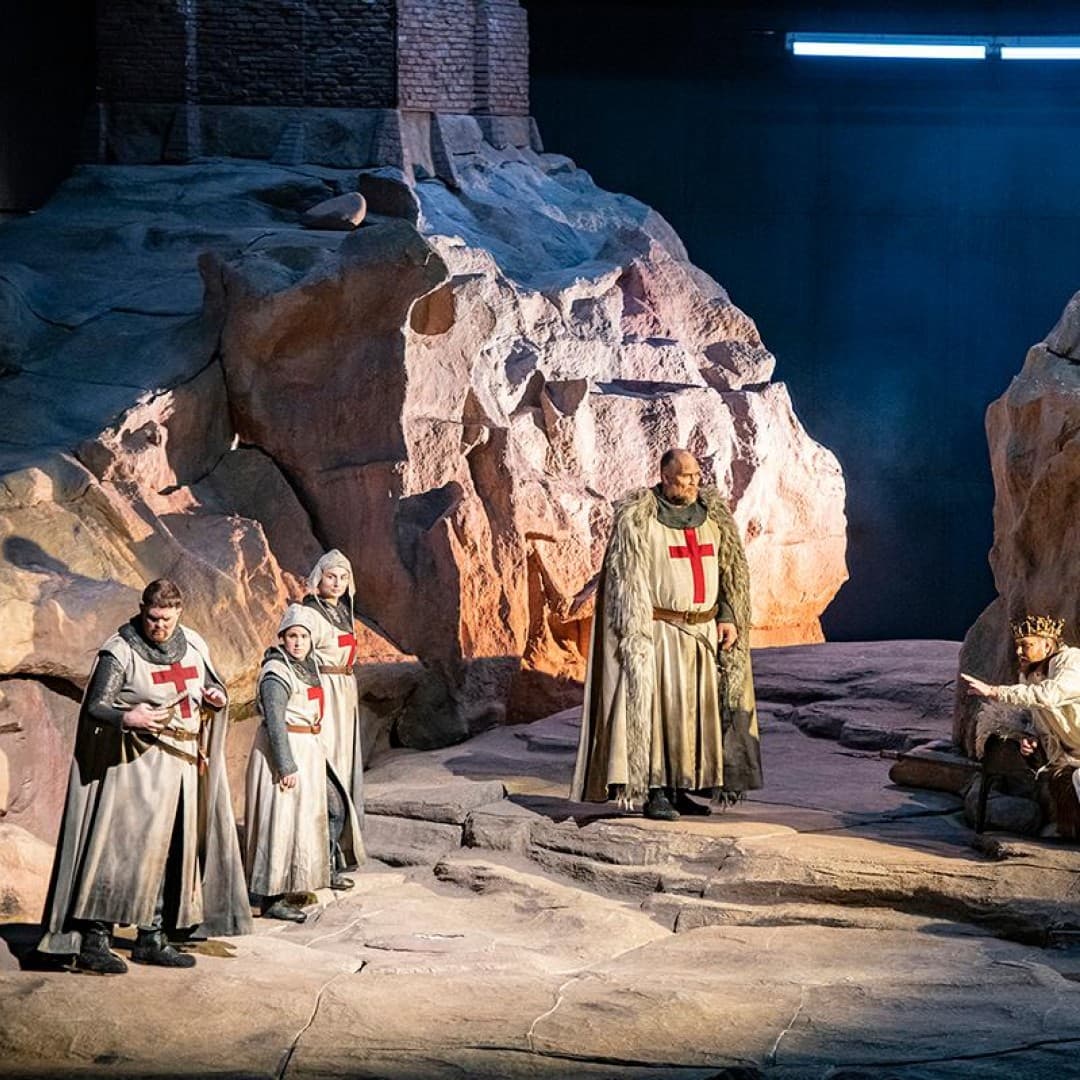
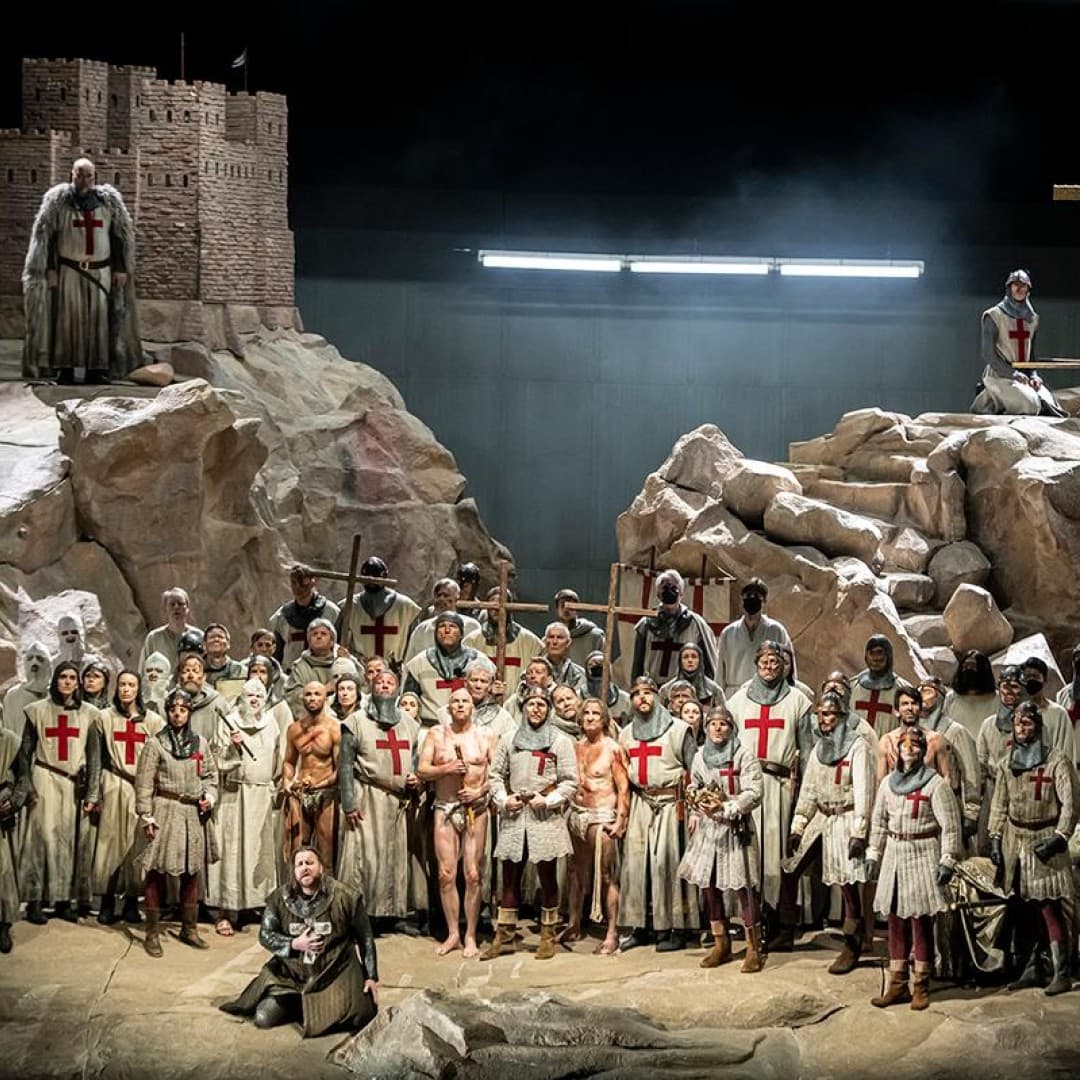
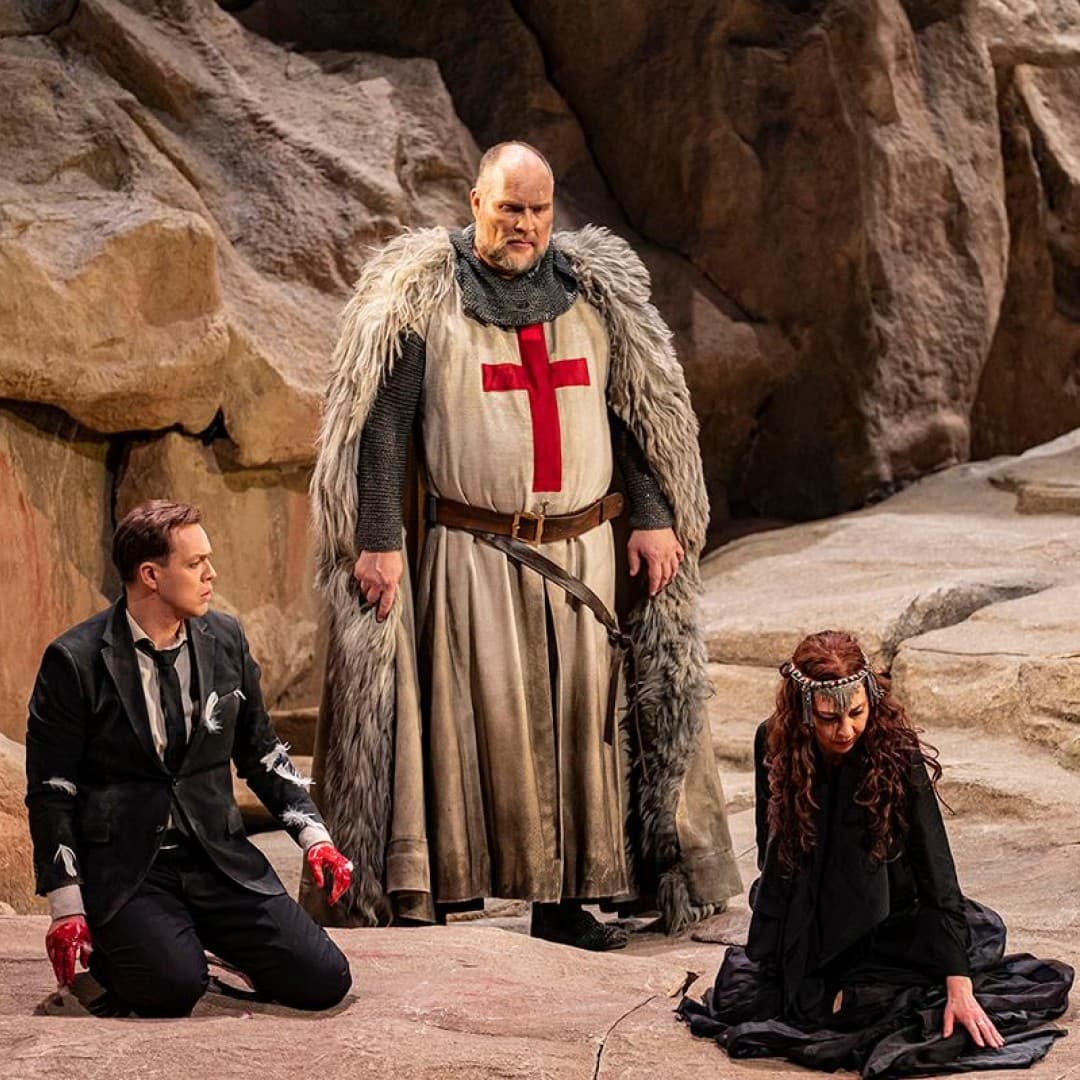
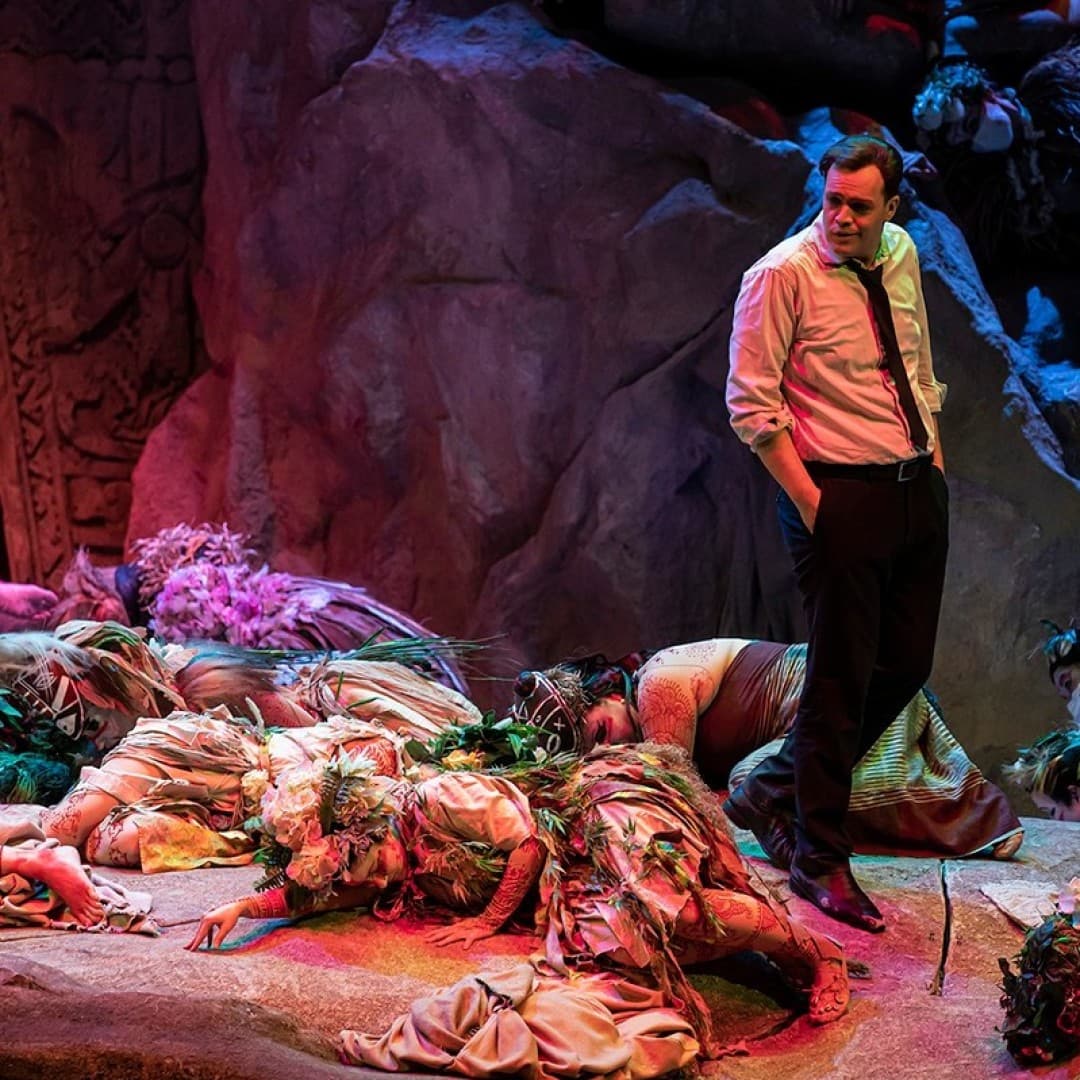
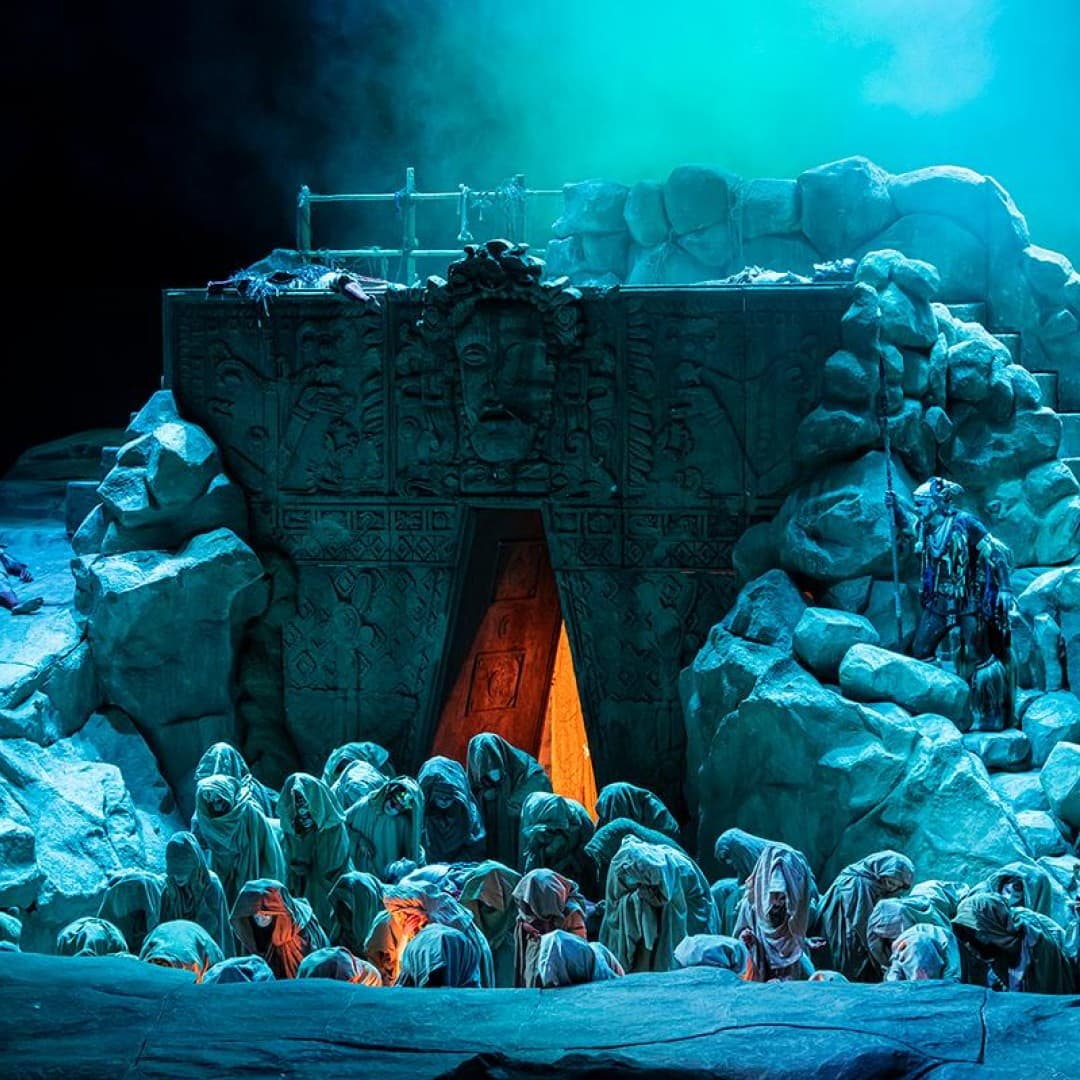
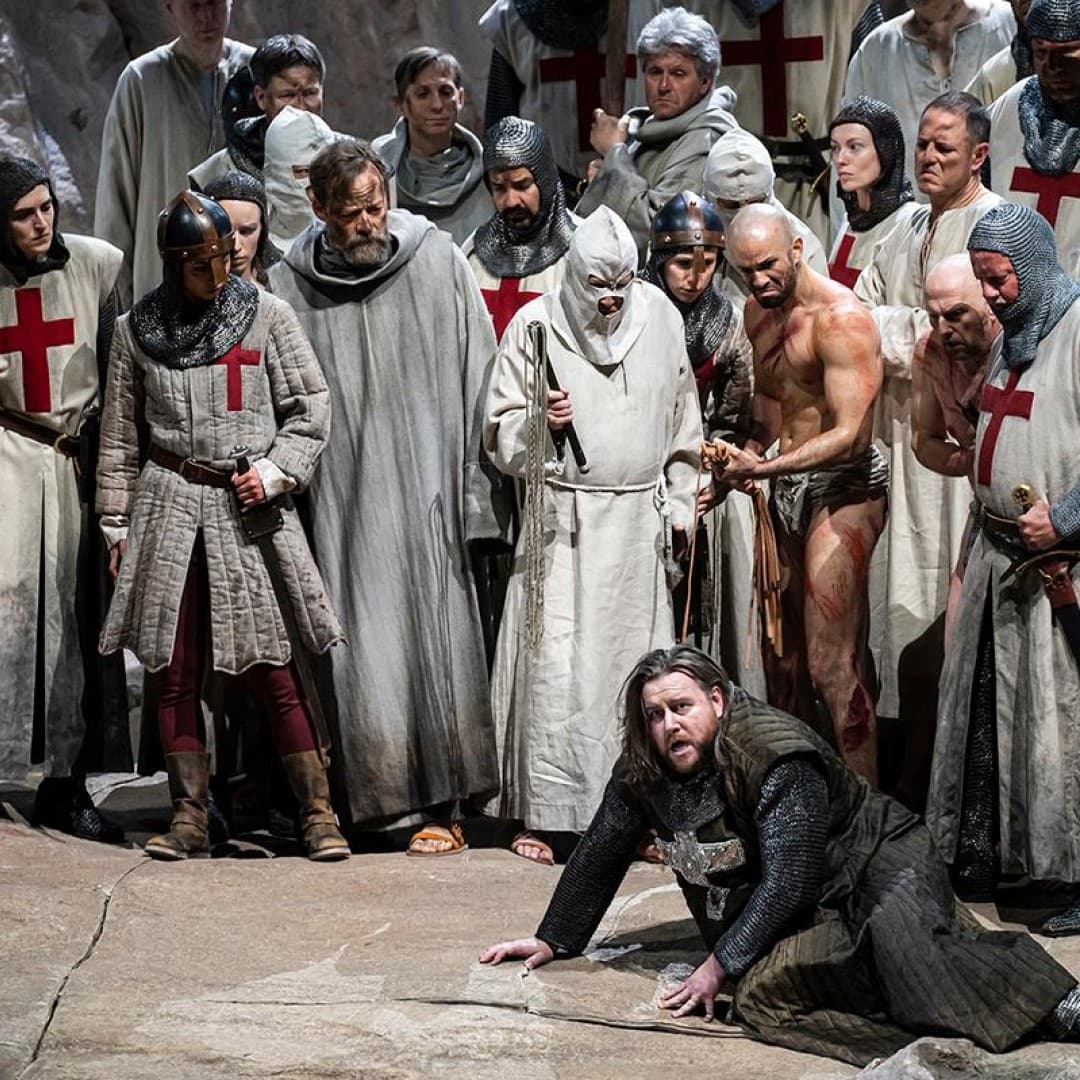
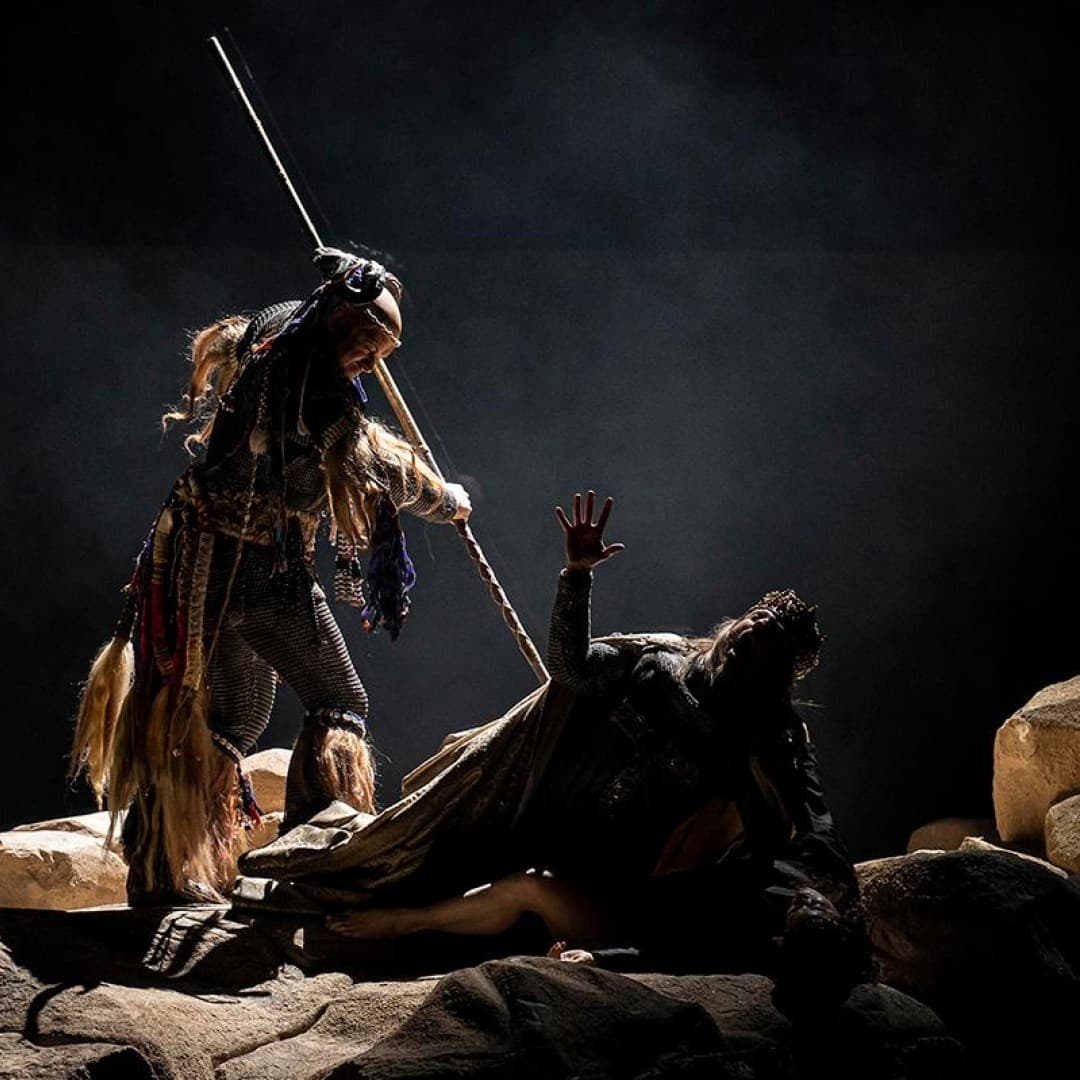
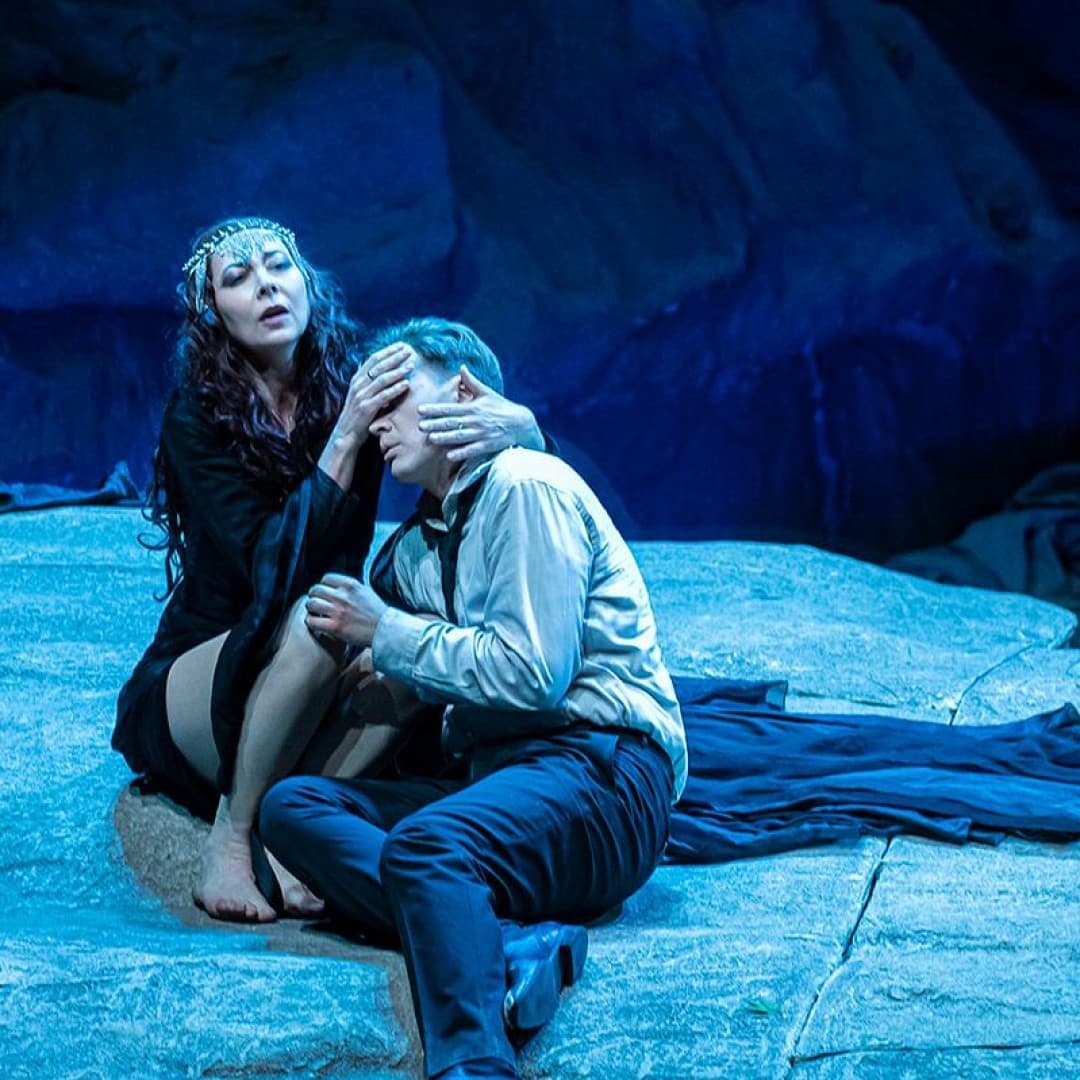
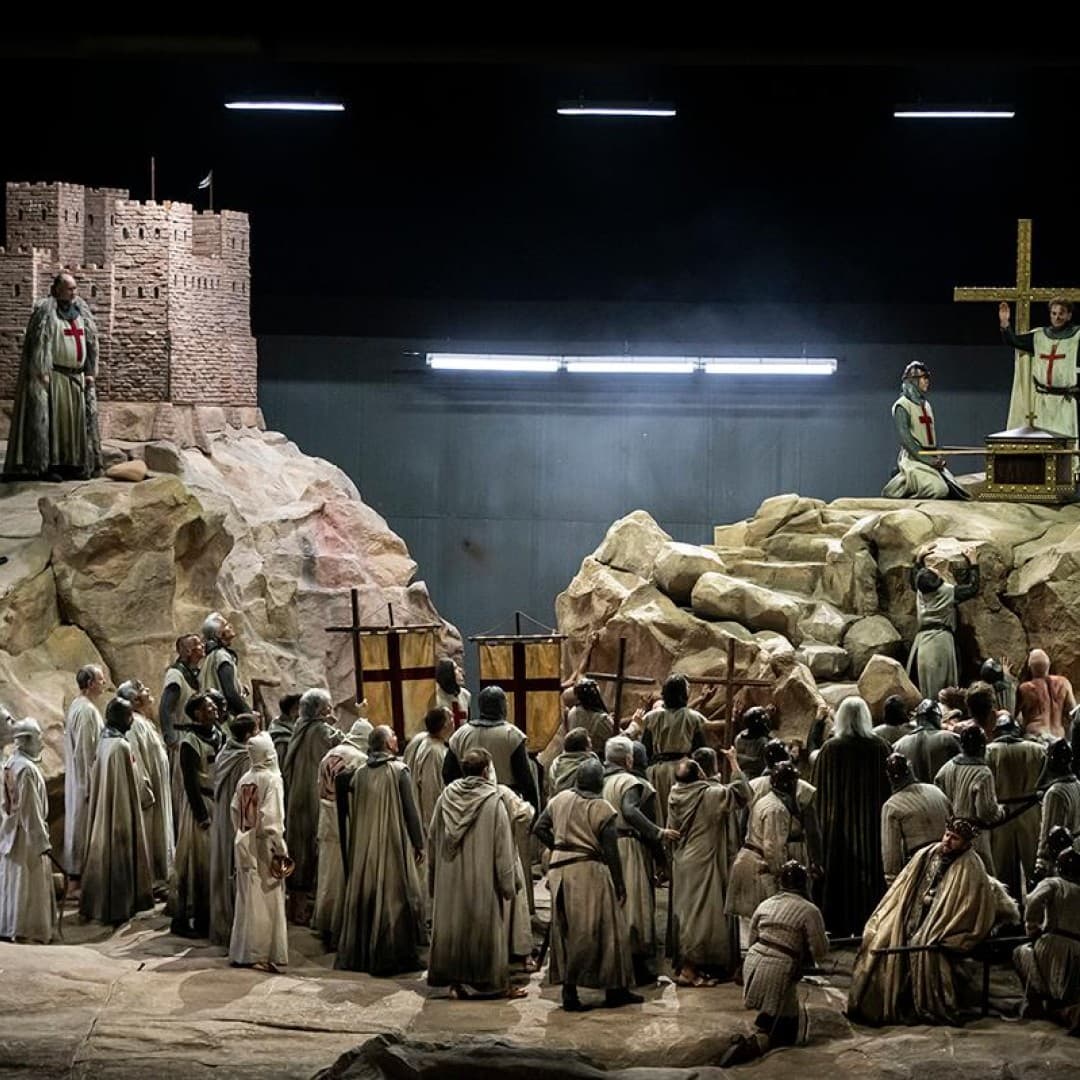
In his interpretation of the legend of the ‘pure fool’, Philipp Stölzl focuses primarily on questions of fanaticism in hermetic religious communities: an anti-Enlightenment world view, belief in miracles and the violent exclusion of those who are different are themes he explores in tableaux vivants that take us on a journey through two millennia...
About the work
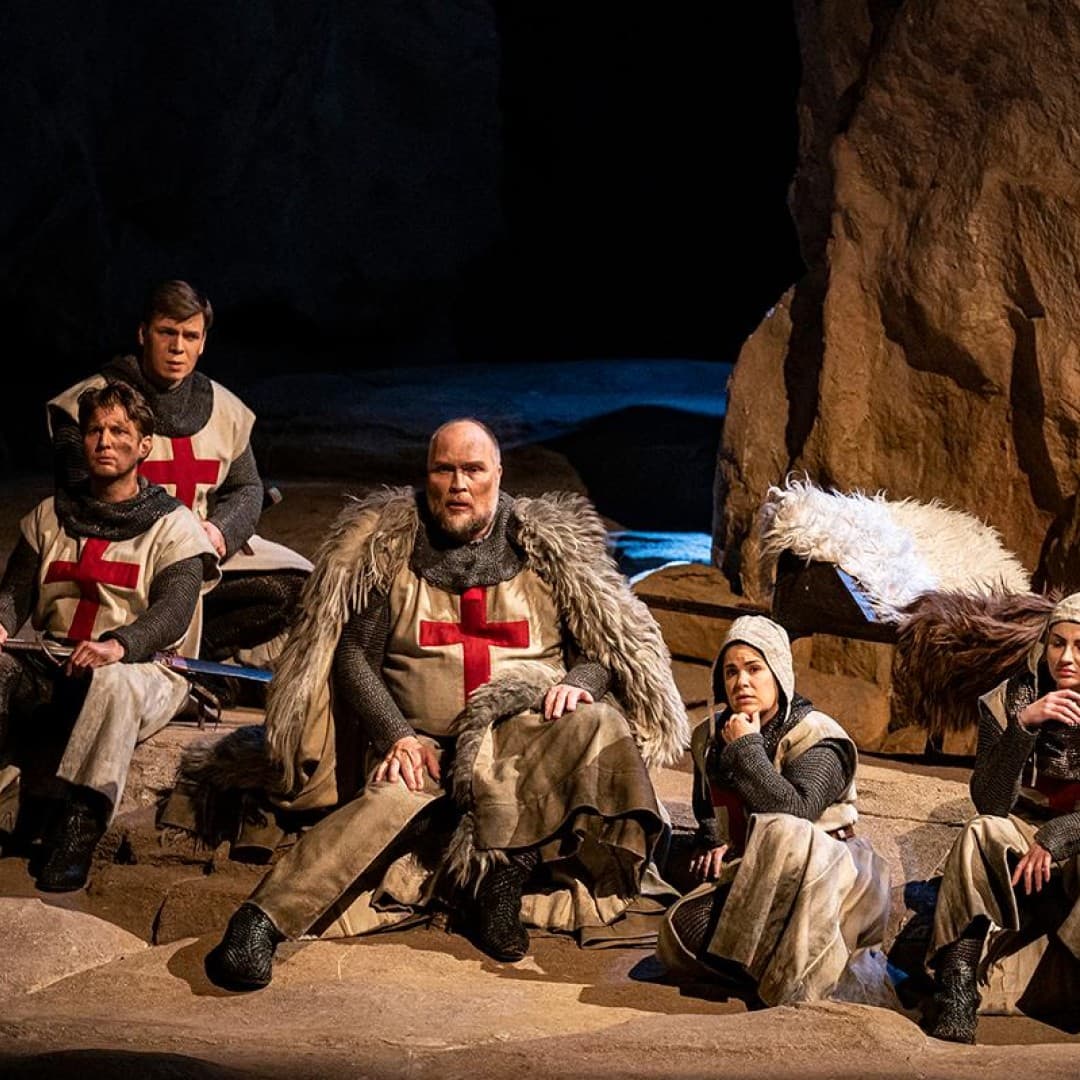
Drawing loosely on motifs from Christianity, Buddhism, assorted legends and Schopenhauer’s philosophy, Richard Wagner eventually completed a myth of his own, Parsifal. The work that he dubbed a “stage-hallowing play” tells the story of a “pure fool” who is blissfully unaware of his own nature and calling. Parsifal sallies forth into the ascetic brotherhood of the Knights of the Grail and into another very different world, that of Klingsor’s erotically charged garden, where a kiss from Kundry infuses him with an enlightenment that leads him to release Amfortas, the King of the Grail, from his suffering and redeem the brotherhood.
Wagner himself harboured a desire for redemption for decades and Parsifal was the channel through which he wrestled with the theme of spiritual rescue on both a personal and societal level. He shows society yearning for a strong leader as the architect of its own renewal. However, not even the installation of Parsifal as the new king can break the stagnated ritual of wielded power.
About the production
Philipp Stölzl is concerned here more than anything with the potential for aggression and the fanaticism of hermetic religious communities. An anti-enlightenment attitude, faith in miracles and an at times violent segregation from outsiders such as Kundry are themes that are reflected in opulent tableaux on this journey through the millennia.
In his interpretation of the legend of the ‘pure fool’, Philipp Stölzl focuses primarily on questions of fanaticism in hermetic religious communities: an anti-Enlightenment world view, belief in miracles and the violent exclusion of those who are different are themes he explores in tableaux vivants that take us on a journey through two millennia...
About the work
Drawing loosely on motifs from Christianity, Buddhism, assorted legends and Schopenhauer’s philosophy, Richard Wagner eventually completed a myth of his own, Parsifal. The work that he dubbed a “stage-hallowing play” tells the story of a “pure fool” who is blissfully unaware of his own nature and calling. Parsifal sallies forth into the ascetic brotherhood of the Knights of the Grail and into another very different world, that of Klingsor’s erotically charged garden, where a kiss from Kundry infuses him with an enlightenment that leads him to release Amfortas, the King of the Grail, from his suffering and redeem the brotherhood.
Wagner himself harboured a desire for redemption for decades and Parsifal was the channel through which he wrestled with the theme of spiritual rescue on both a personal and societal level. He shows society yearning for a strong leader as the architect of its own renewal. However, not even the installation of Parsifal as the new king can break the stagnated ritual of wielded power.
About the production
Philipp Stölzl is concerned here more than anything with the potential for aggression and the fanaticism of hermetic religious communities. An anti-enlightenment attitude, faith in miracles and an at times violent segregation from outsiders such as Kundry are themes that are reflected in opulent tableaux on this journey through the millennia.
Cast
Tarmo Peltokoski
Conductor
Philipp Stölzl
Stage Production
Mara Kurotschka
Co-Regie
Conrad Moritz Reinhardt
Stage-Design
Philipp Stölzl
Stage-Design
Kathi Maurer
Costume-Design
Jeremy Bines
Chorus Master
Chor der Deutschen Oper Berlin
Chorus
Kinderchor der Deutschen Oper Berlin
Chorus
Ulrich Niepel
Light-Design
Christian Lindhorst
Children's Chorus
Thomas Lehman
Amfortas
Tobias Kehrer
Titurel
Albert Pesendorfer
Gurnemanz
Attilio Glaser
Parsifal
Lawson Anderson
Klingsor
Irene Roberts
Kundry
Burkhard Ulrich
First Knight of the Grail
Benjamin Dickerson
Second Knight of the Grail
Meechot Marrero
First Squire
Arianna Manganello
Second Squire
Sunnyboy Dladla
Third Squire
Michael Dimovski
Fourth Squire
Lilit Davtyan
Klingsor´s Flower Maiden
Meechot Marrero
Klingsor´s Flower Maiden
Arianna Manganello
Klingsor´s Flower Maiden
Hye-Young Moon
Klingsor´s Flower Maiden
Lucy Baker
Klingsor´s Flower Maiden
Stephanie Wake-Edwards
Klingsor´s Flower Maiden
Stephanie Wake-Edwards
A Voice
Orchester der Deutschen Oper Berlin
Orchestra
Opernballett der Deutschen Oper Berlin
Dance
Dates
Deutsche Oper Berlin
Bismarckstraße 35, 10627 Berlin
To enable Google Maps please accept functional cookies.