Staatsoper Unter den Linden
Les Contes d’Hoffmann
Opera
Unter den Linden 7, 10117 Berlin
Jacques Offenbach
© Bernd Uhlig
© Bernd Uhlig
© Bernd Uhlig
© Bernd Uhlig
© Bernd Uhlig
© Bernd Uhlig
© Bernd Uhlig
© Bernd Uhlig
© Bernd Uhlig

© Bernd Uhlig
© Bernd Uhlig
© Bernd Uhlig
© Bernd Uhlig

© Bernd Uhlig
© Bernd Uhlig
© Bernd Uhlig
© Bernd Uhlig
© Bernd Uhlig
© Bernd Uhlig
© Bernd Uhlig
© Bernd Uhlig
© Bernd Uhlig
© Bernd Uhlig
© Bernd Uhlig
© Bernd Uhlig
© Bernd Uhlig
© Bernd Uhlig
© Bernd Uhlig
Description
Jacques Offenbach composed more than 100 operas and operettas, most of them with unique wit and biting satire, original and inspired. At the end of his illustrious career in Paris, which stretched over five decades, he turned to his most ambitious operatic work Les Contes d’Hoffmann (The Tales of Hoffmann), an opéra fantastique based on a play that premiered in 1881.
The audience is immersed in a world full of odd characters and situations, fantastic elements with several demonic, breathtaking moments and a vital, rich score. The title character, modelled on the complex Romantic writer E. T. A. Hoffmann, finds himself among his own stories, fascinated equally by art and by love, attracted by the female characters and duped by his rivals. Director Lydia Steier with her team and the conductor Bertrand de Billy will collaborate to produce an opulent scenic and musical realization.
PROGRAMME
Act One (Prologue)
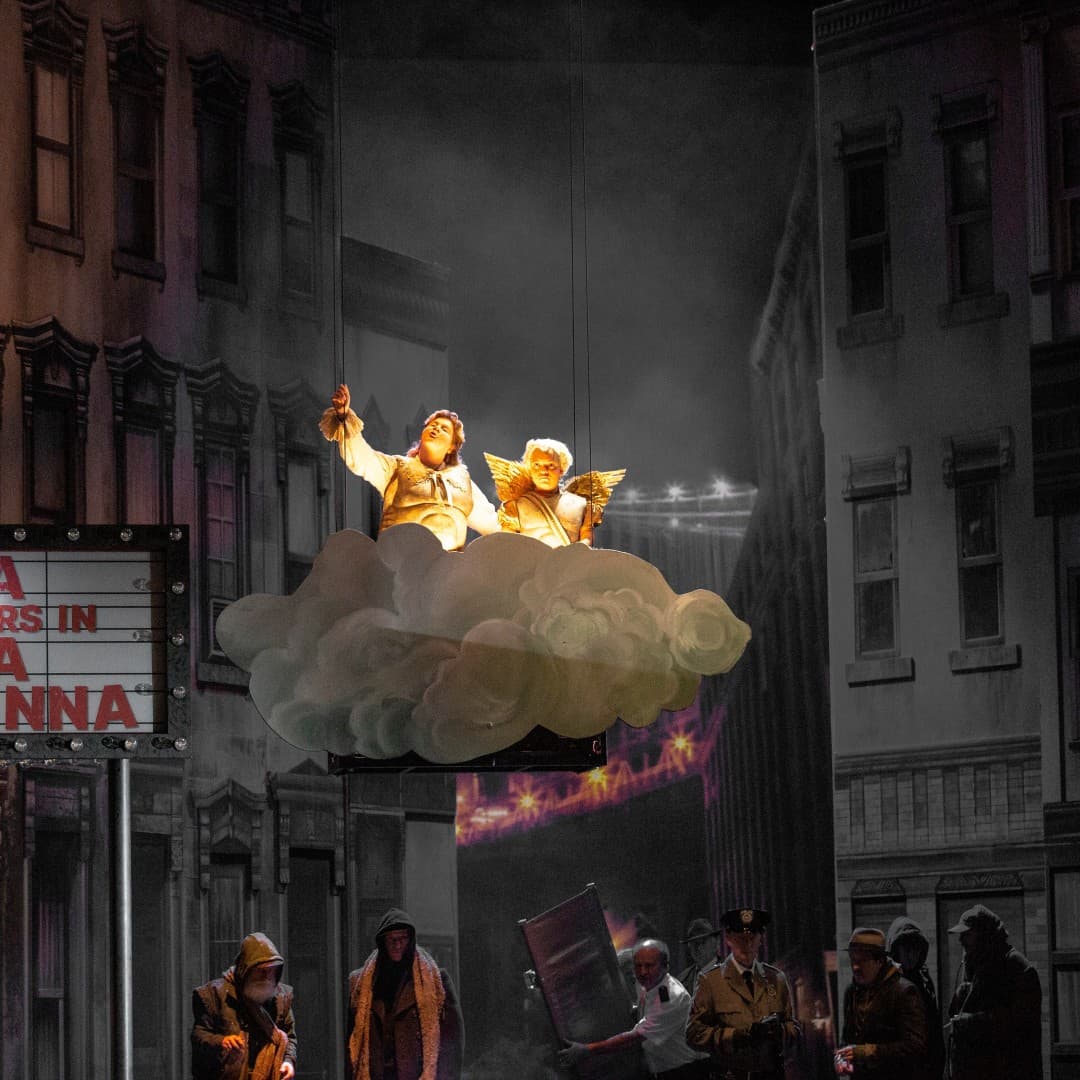
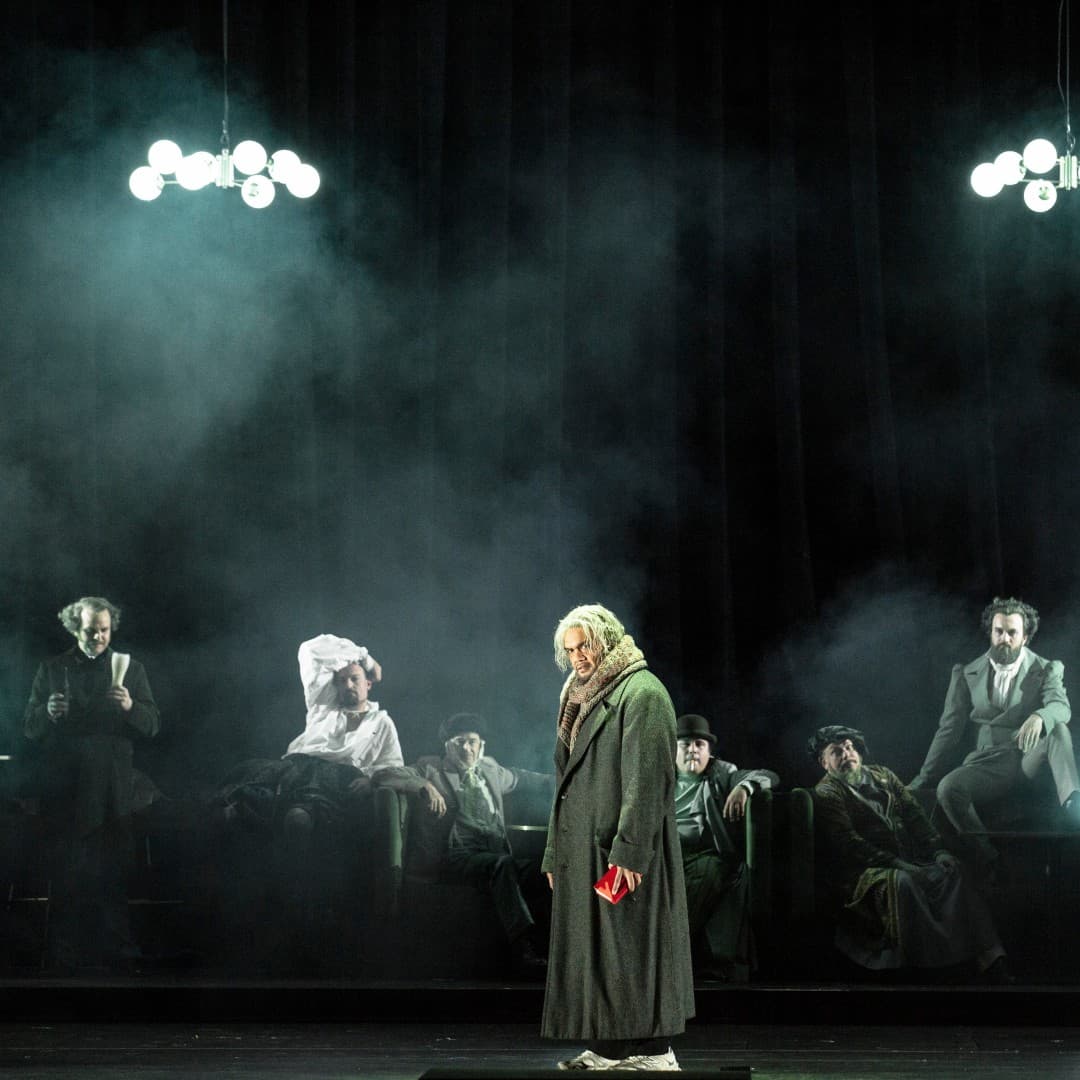
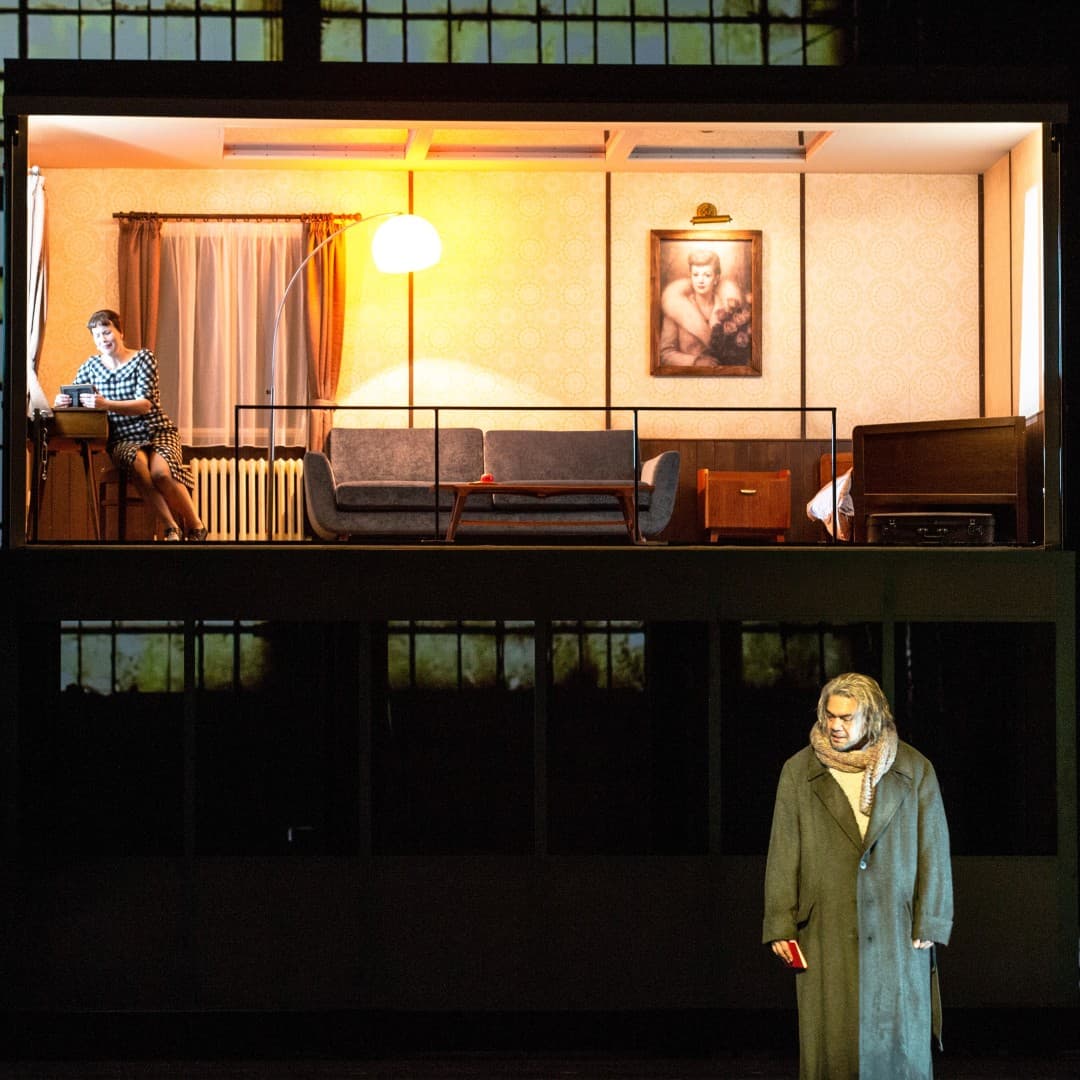
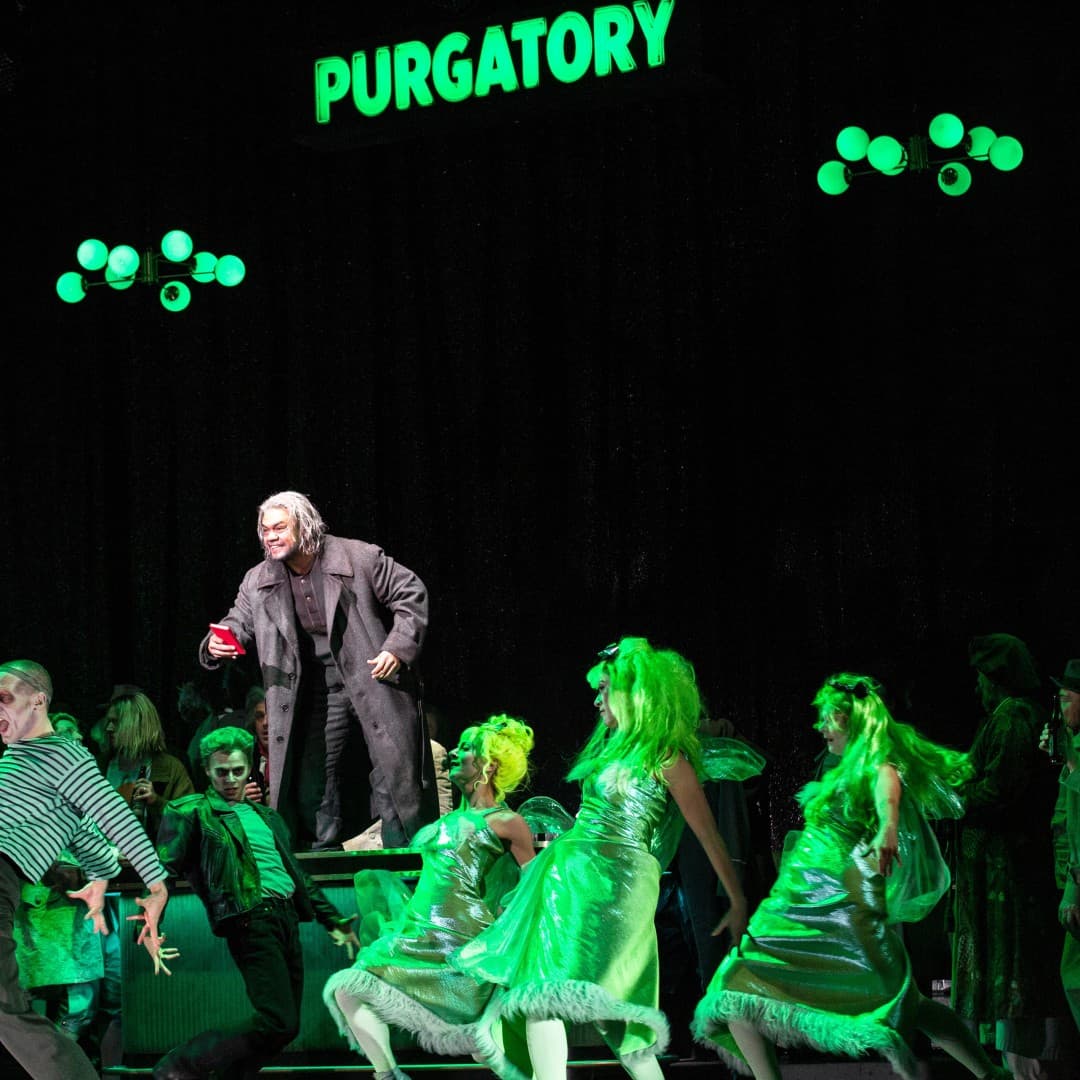
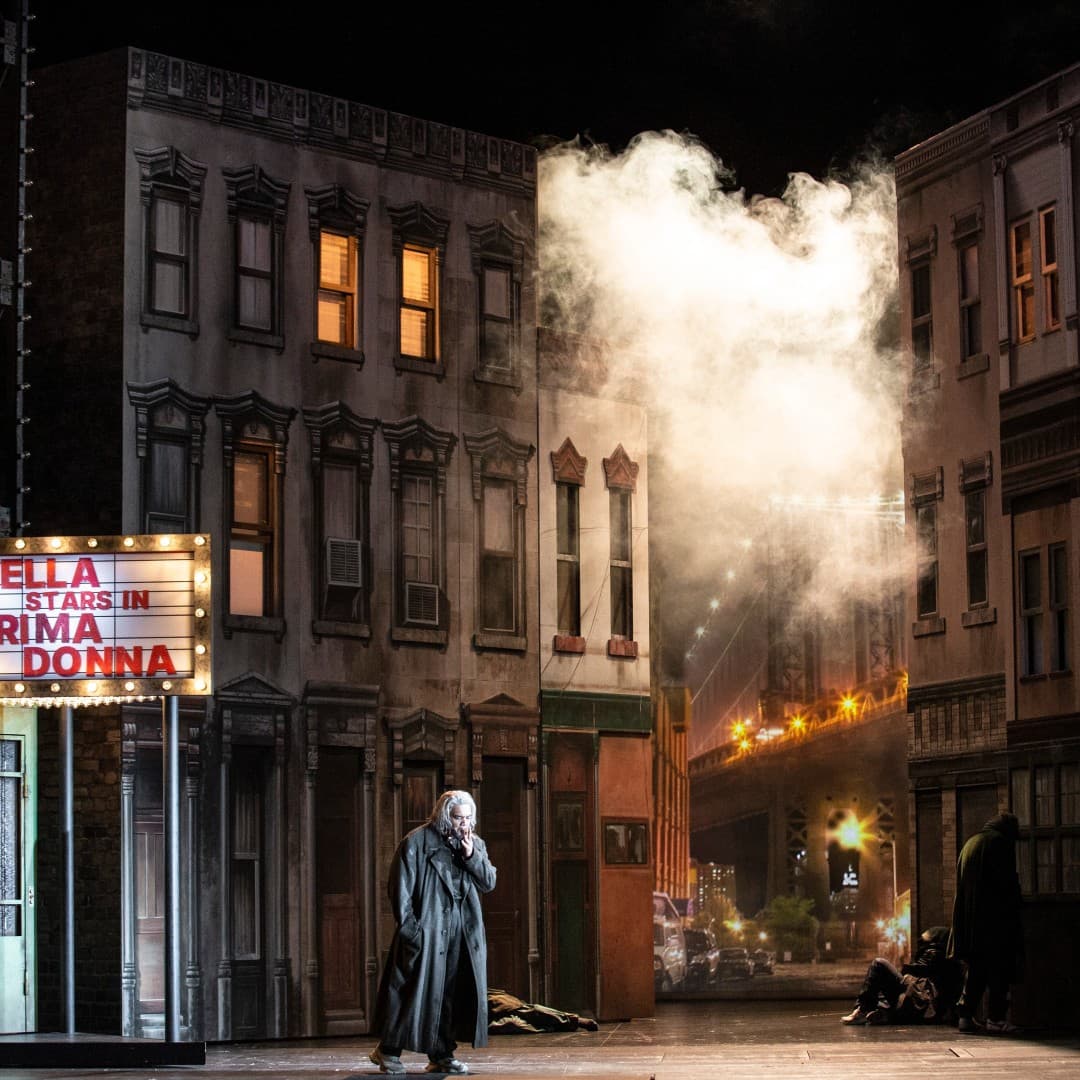
The great poet Hoffmann is finished. Once a highly regarded artist, he is now a broken man, a wreck who finds his sole consolation in alcohol and his fantasy Stella, his idée fixe of a supernatural woman. Although the world has long forgotten him, two characters continue to struggle for his soul: the angelic muse and the devil, his eternal nemesis. While the muse wants to save him, redeem him, lead him towards the good, the devil wants to drive him finally into the abyss of Hoffmann’s own making.
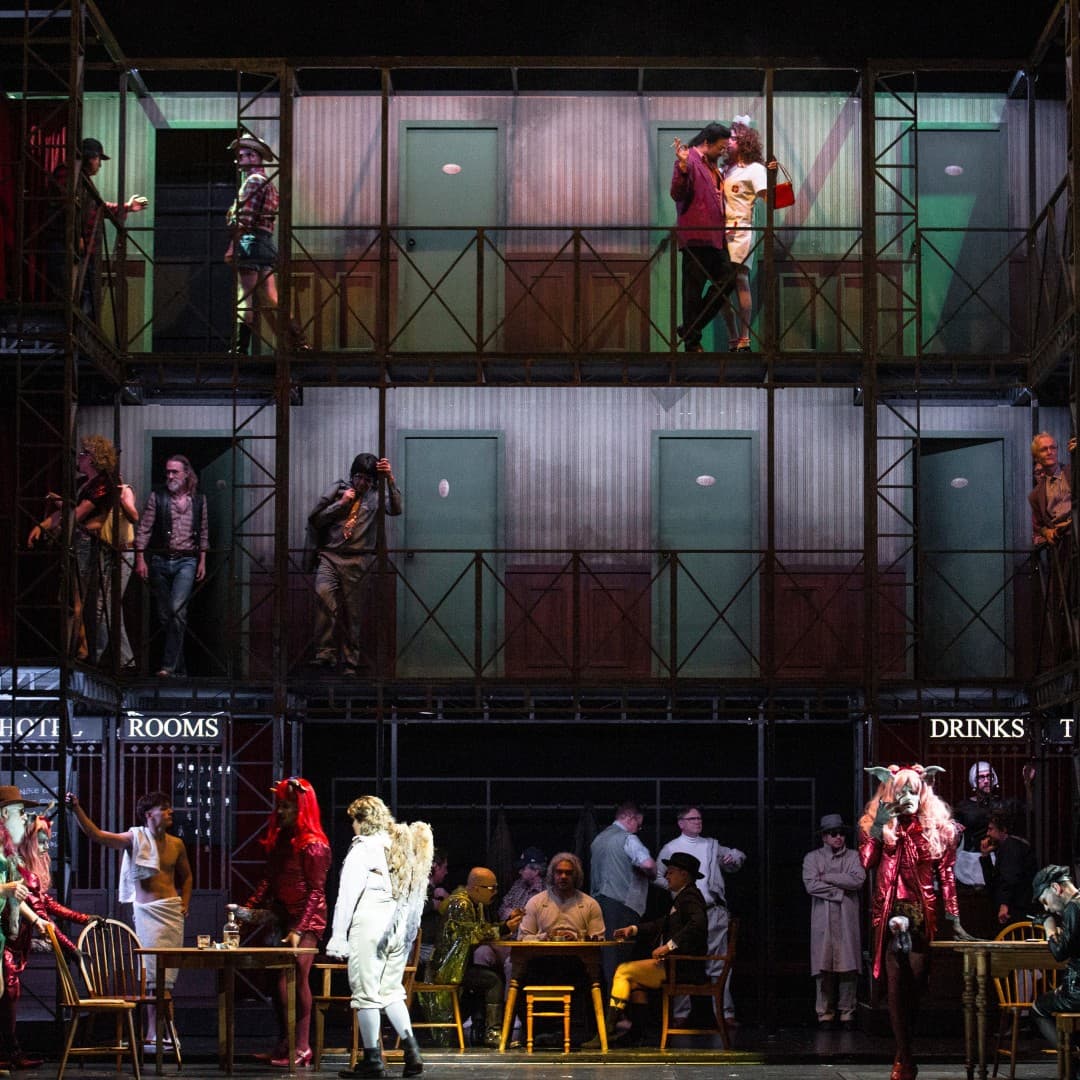
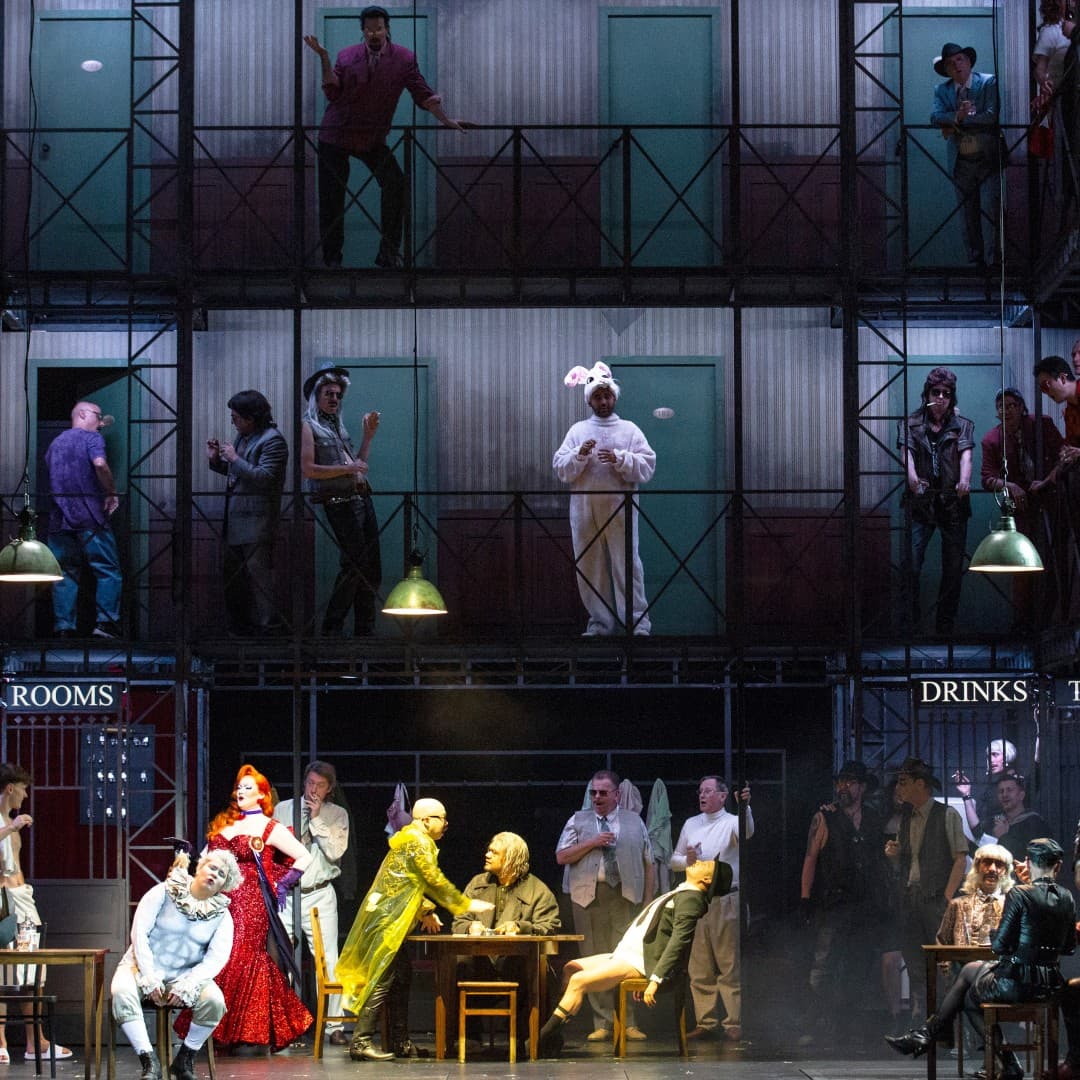
The examination of Hoffmann’s soul begins in Luthers Keller, a dive where artists seek to drown their dreams and defeats, smoking and drinking the nights away. Nothing is left for him but to drink to make eternity bearable. Where did he take a wrong turn in life? Which encounters went well, which did not? Whom did he love well, whom did he love badly? To find answers, Hoffmann returns to his most important loves: Olympia, Antonia, and Giulietta.
Act Two
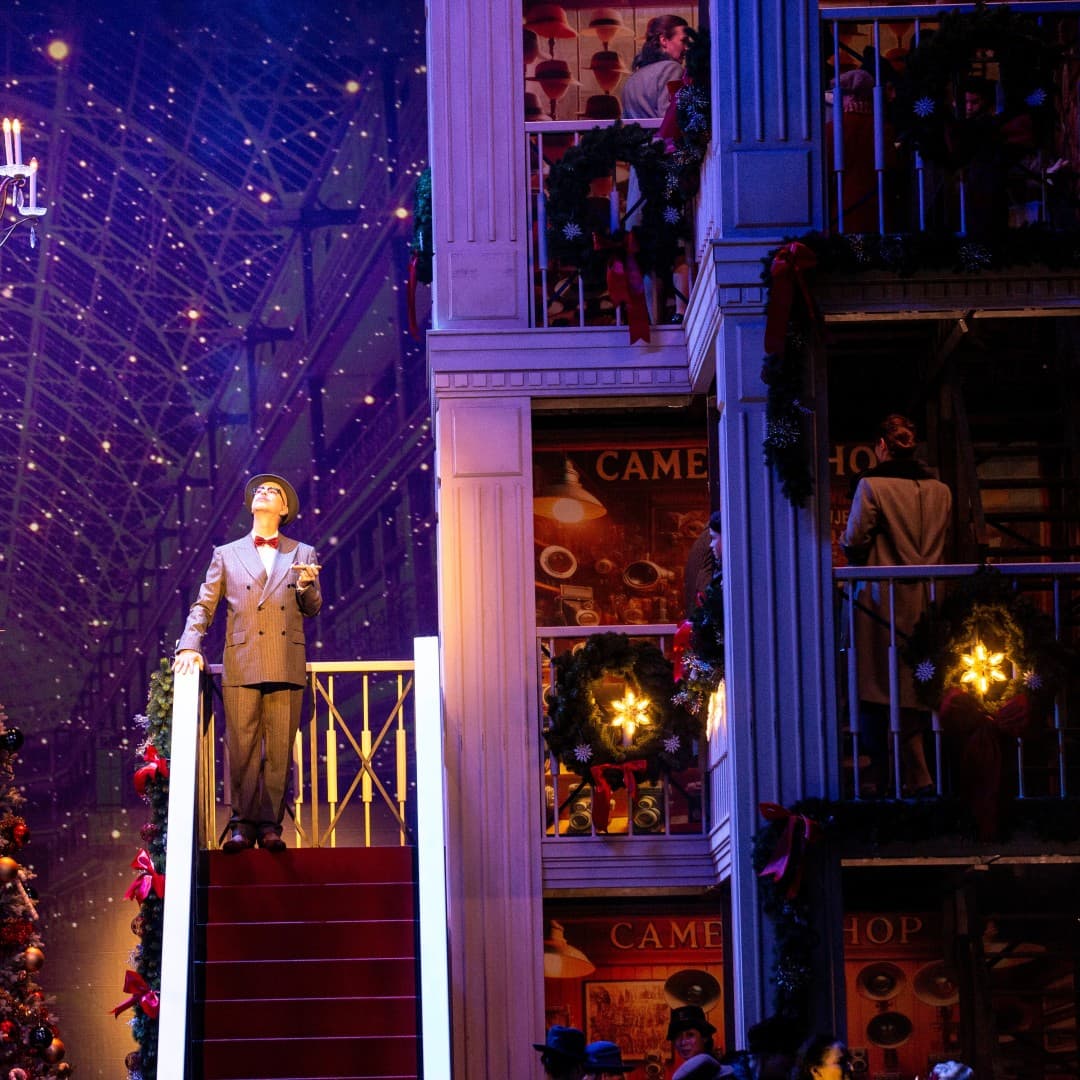
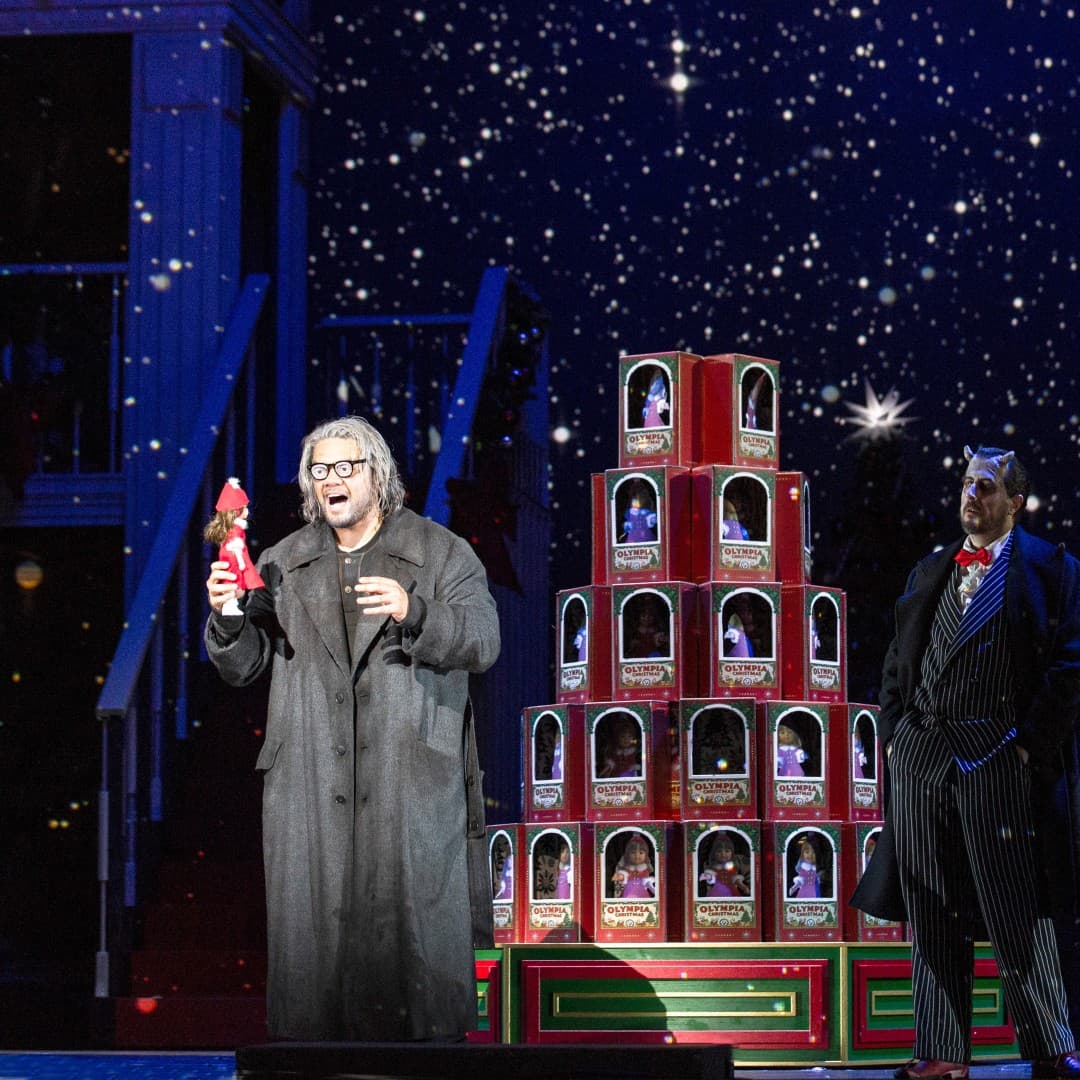
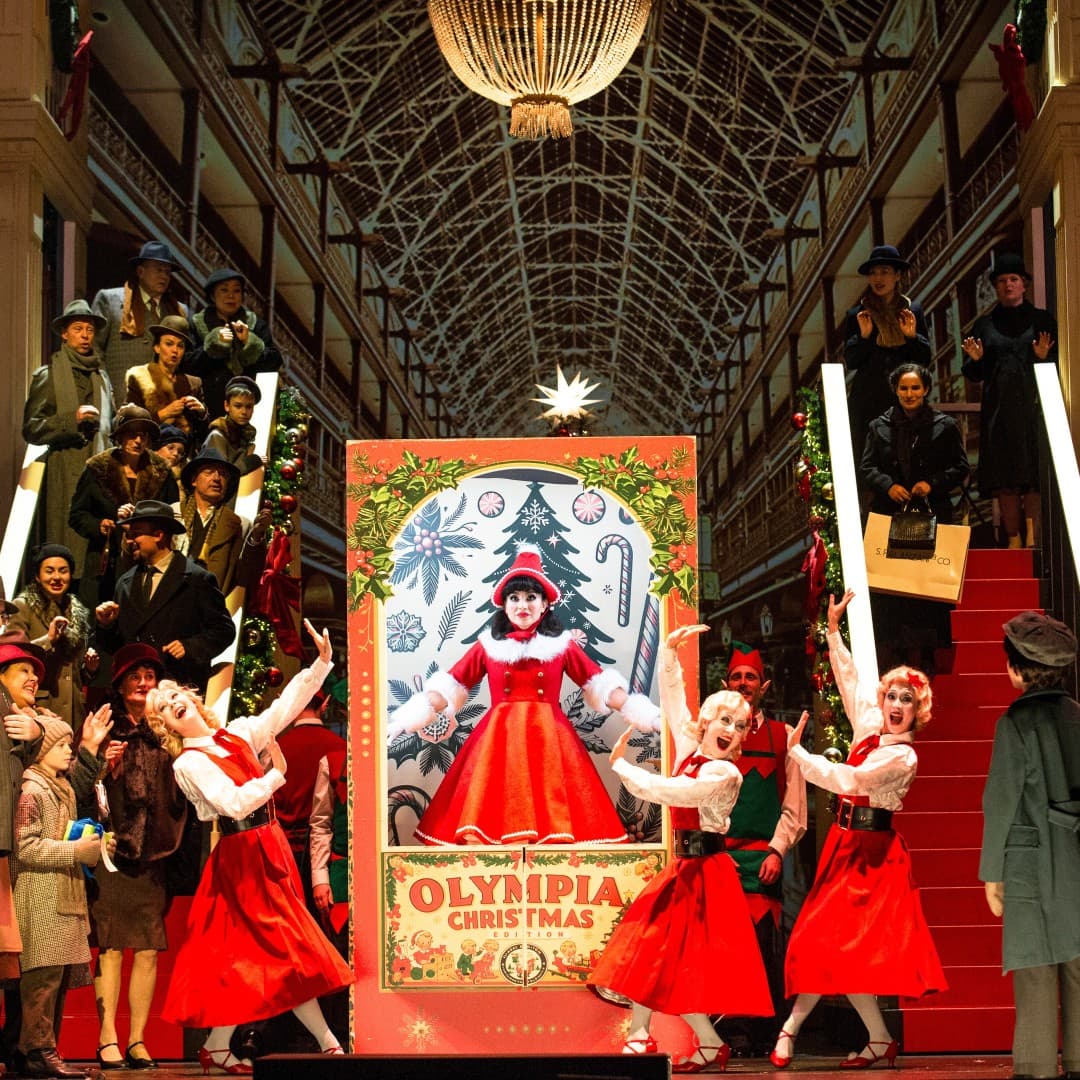
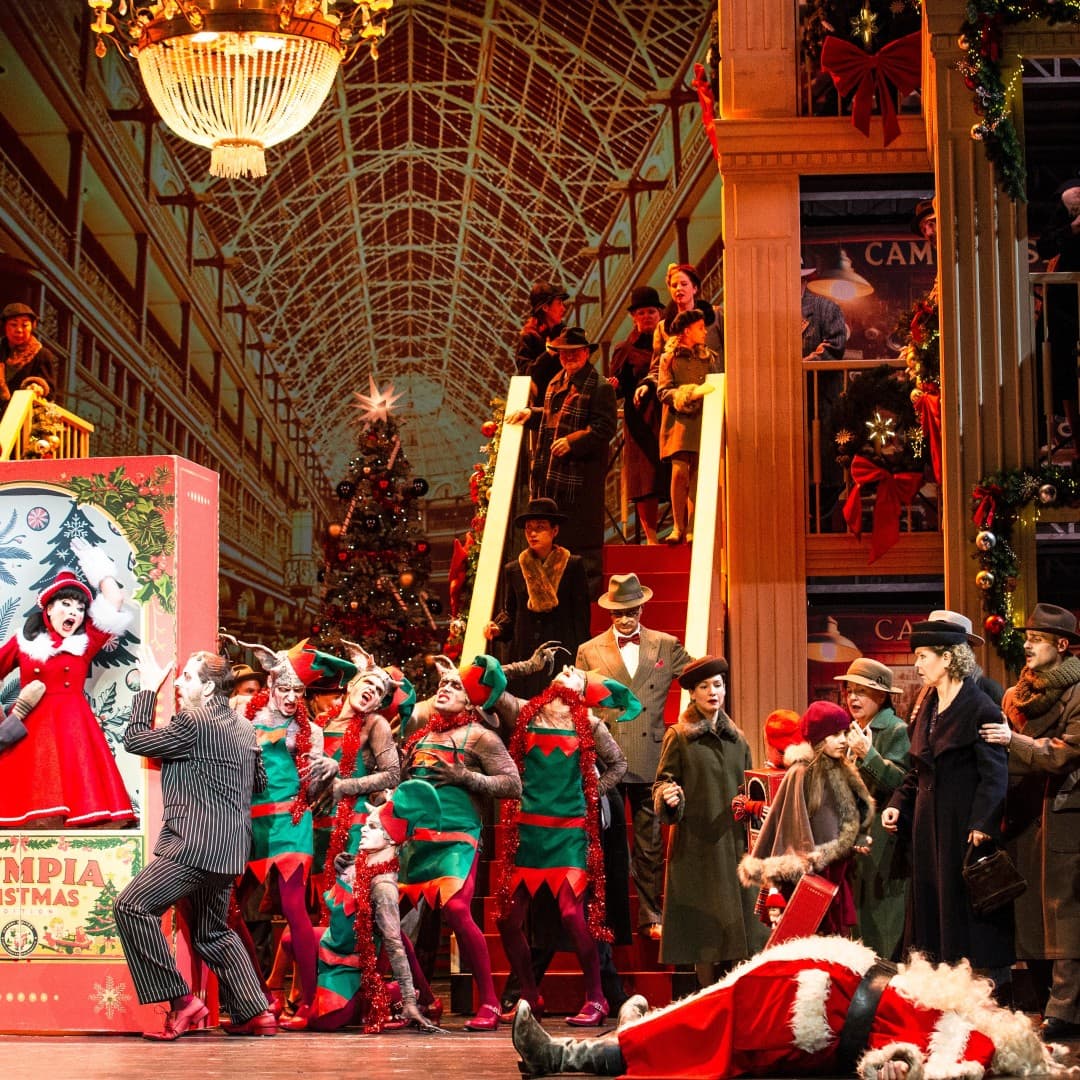
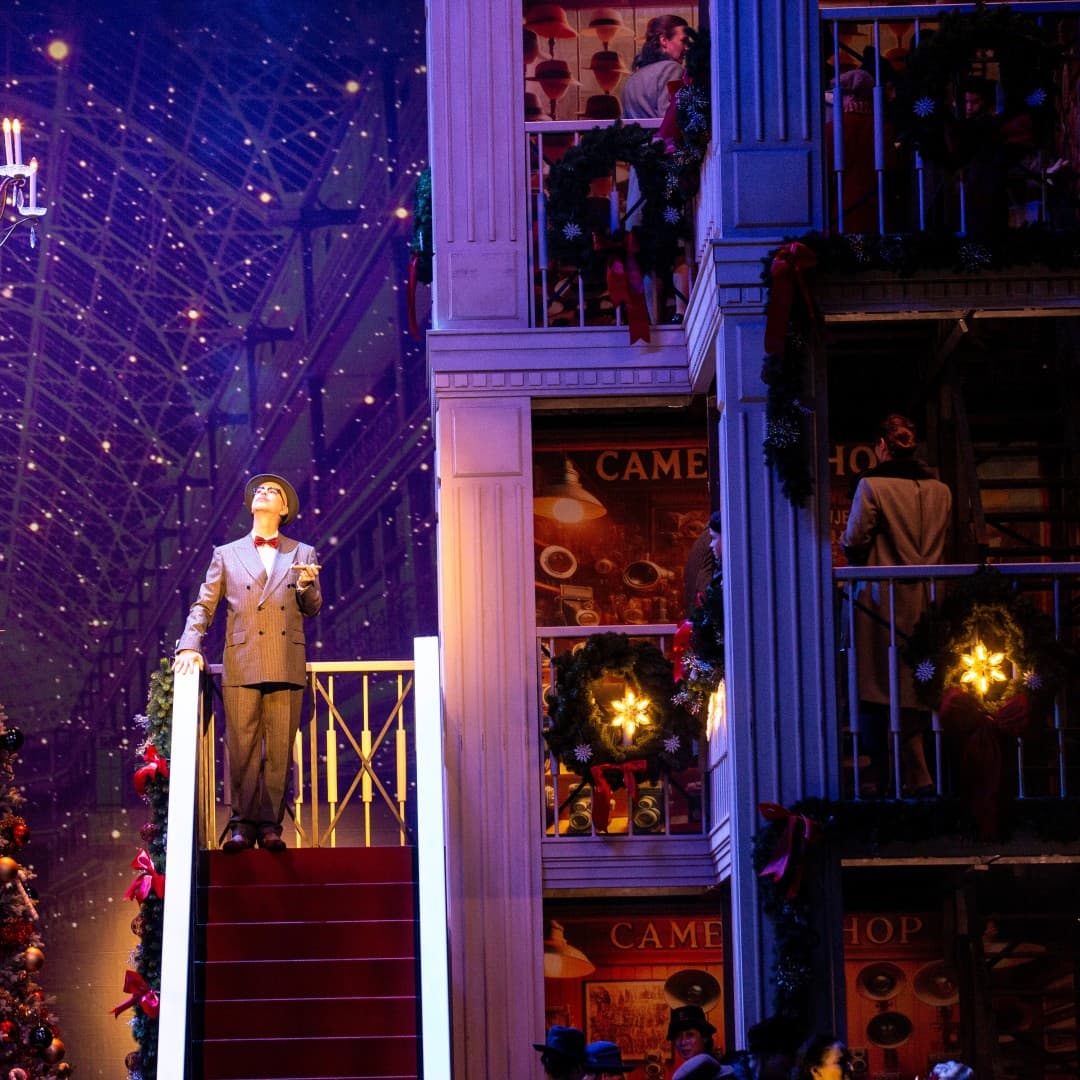
The latest invention of the physicist Spalanzani is eagerly awaited: the mechanical doll Olympia. Even before she is introduced to the eager public, Hoffmann succeeds in catching a glimpse of her, and is immediately enchanted. When Coppélius, who claims to be a friend of Spalanzani and deals with optical devices, sells him a pair of magical glasses, his fate is sealed: he falls in love and thinks he hears a declaration of love in each of her mechanical words. During a shared waltz, the doll gets out of control, and Hoffmann loses his glasses—and the illusion along with them. The bitter, embarrassing realization hits him hard; he has fallen in love with a robot.
Act Three
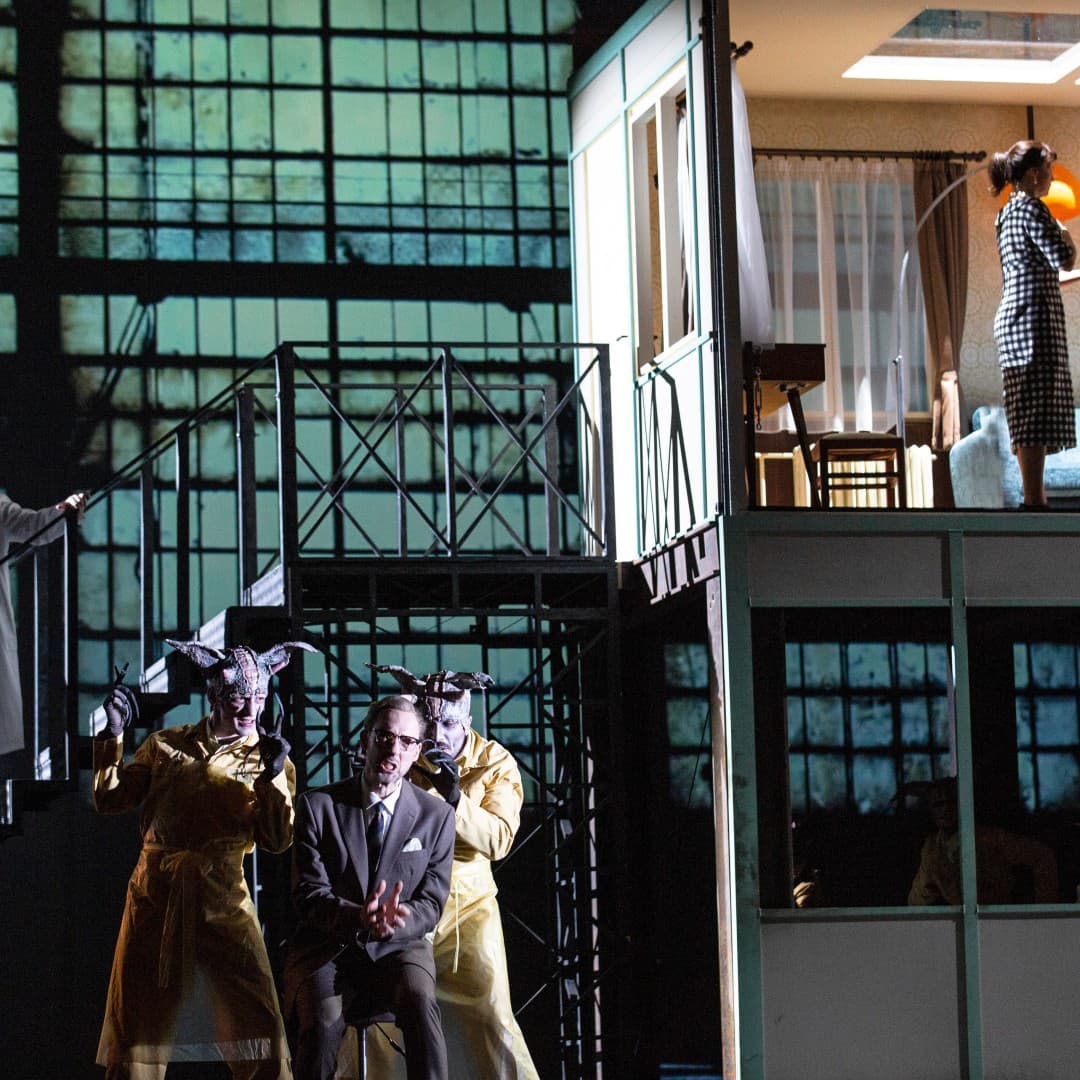
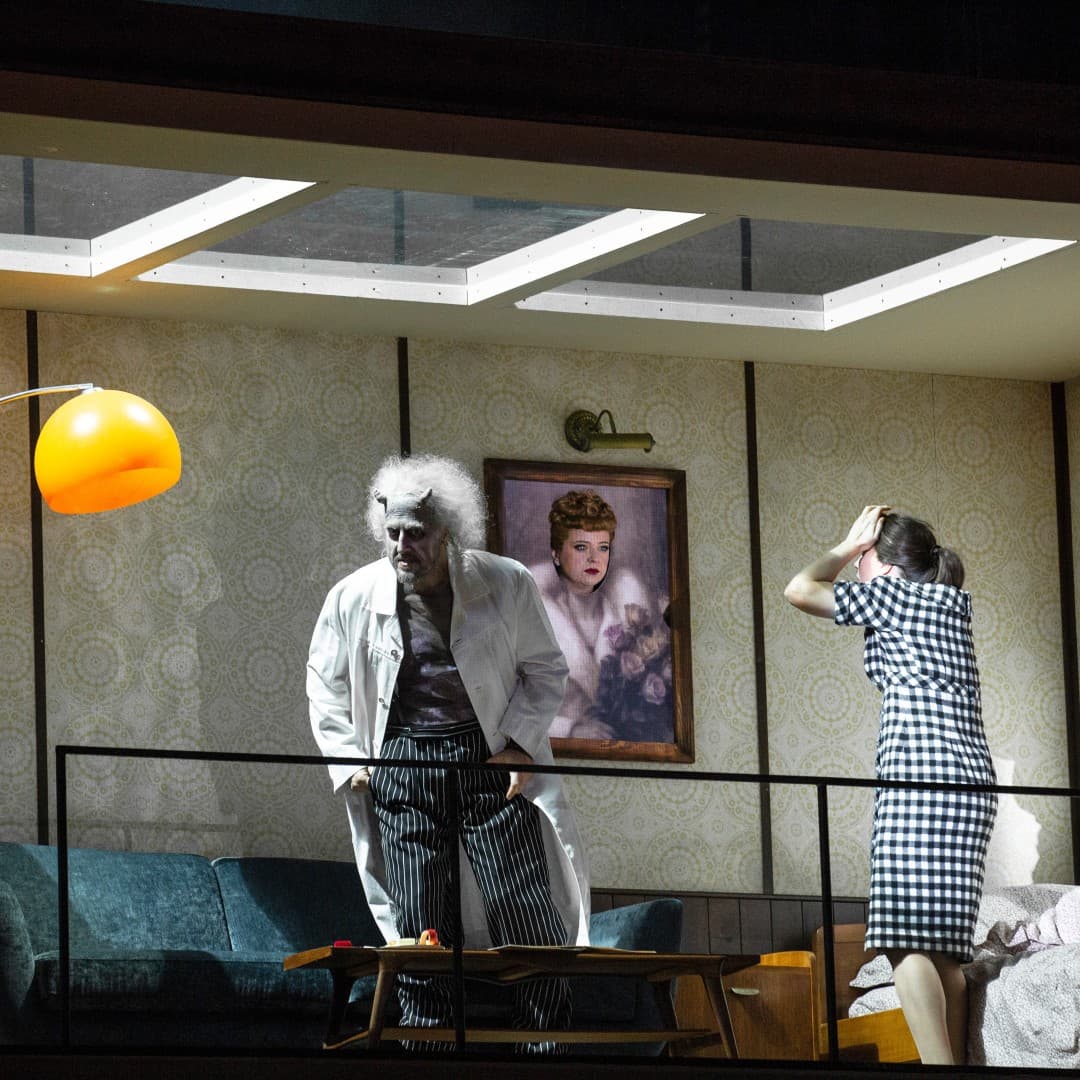
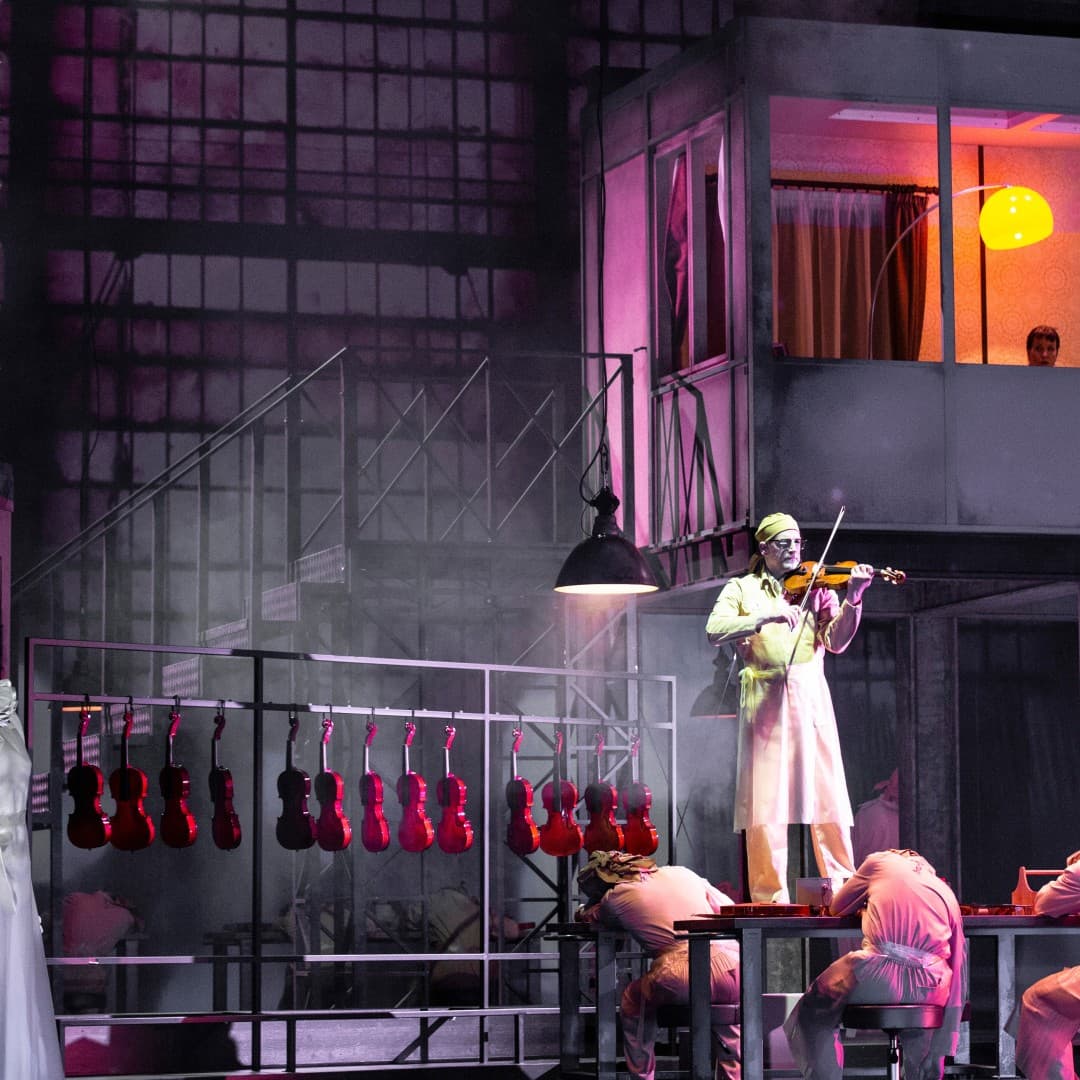
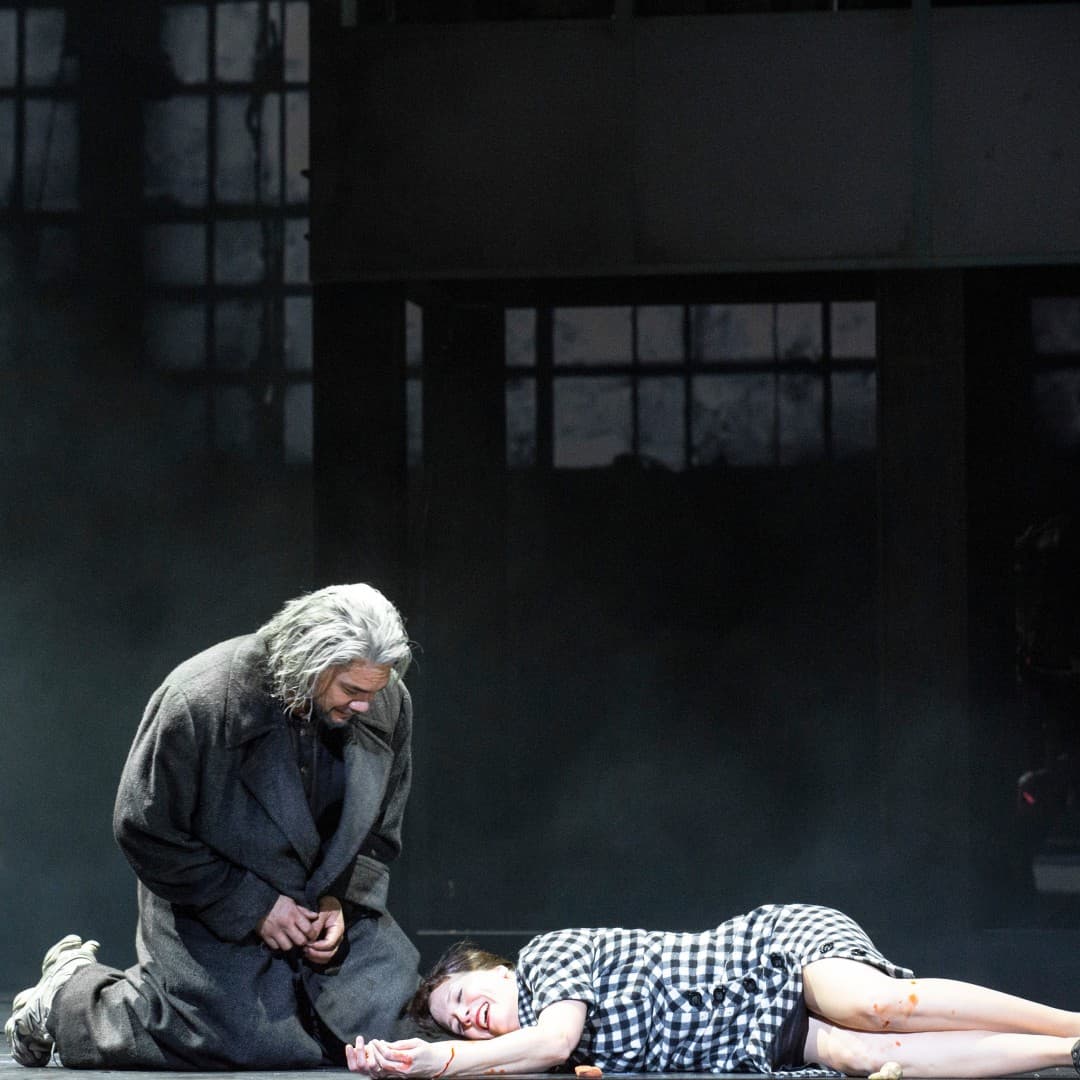
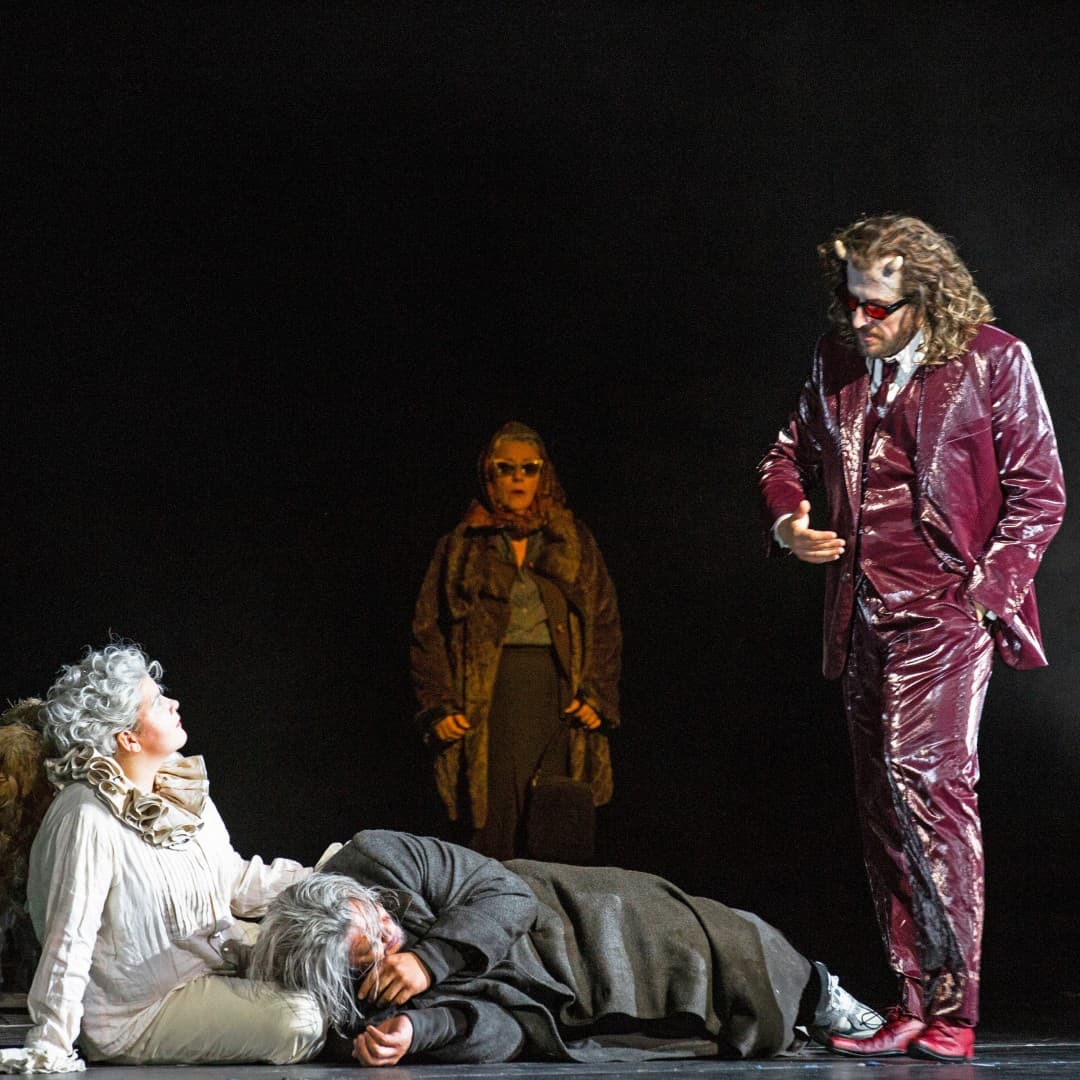
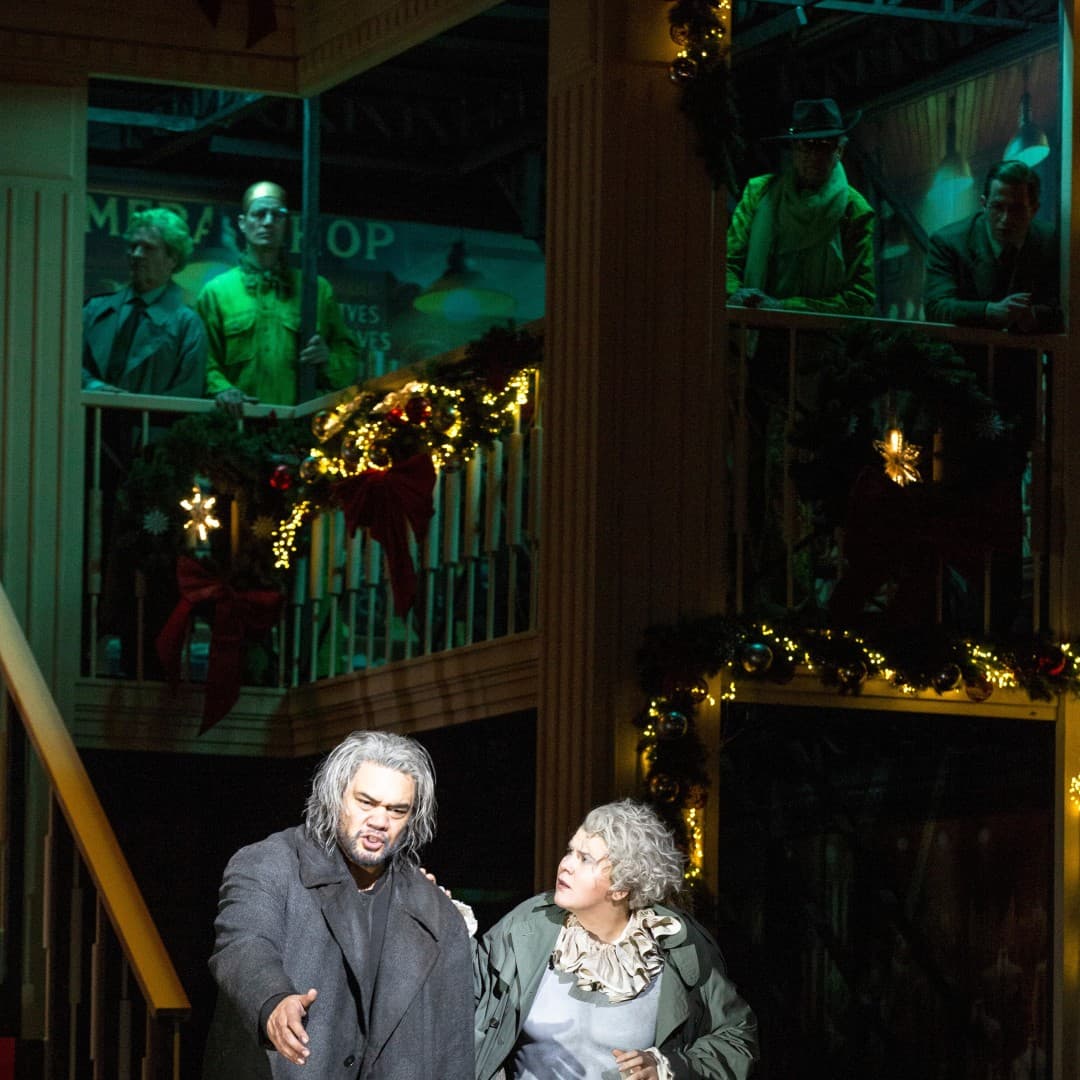
Antonia, the daughter of violinmaker Crespel, sings longingly of freedom and fidelity. But her father forbids singing, because her mother, a celebrated opera singer, died from a mysterious illness that was triggered by singing. To protect her, Crespel imprisons her and orders his deaf servant Frantz not to let anyone in the house. But when Hoffmann turns up, Frantz joyfully welcomes him and allows the lovers to meet. The joy of reunion does not last long: Crespel returns, closely followed by the sinister Dr. Miracle. From a hiding place, Hoffmann observes how the doctor examines Antonia. Crespel throws Miracle out, convinced that he has already caused the death of his wife. Hoffmann realizes that Antonia is doomed to die if she continues to sing. He urgently begs her to give up her beloved music, and she reluctantly agrees. But just as Hoffmann leaves, Miracle reappears. He fervently paints a vision for her a life as a celebrated singer. Antonia struggles, but when the image of her dead mother appears to her, she cannot resist: she begins to sing, and dies.
Act Four
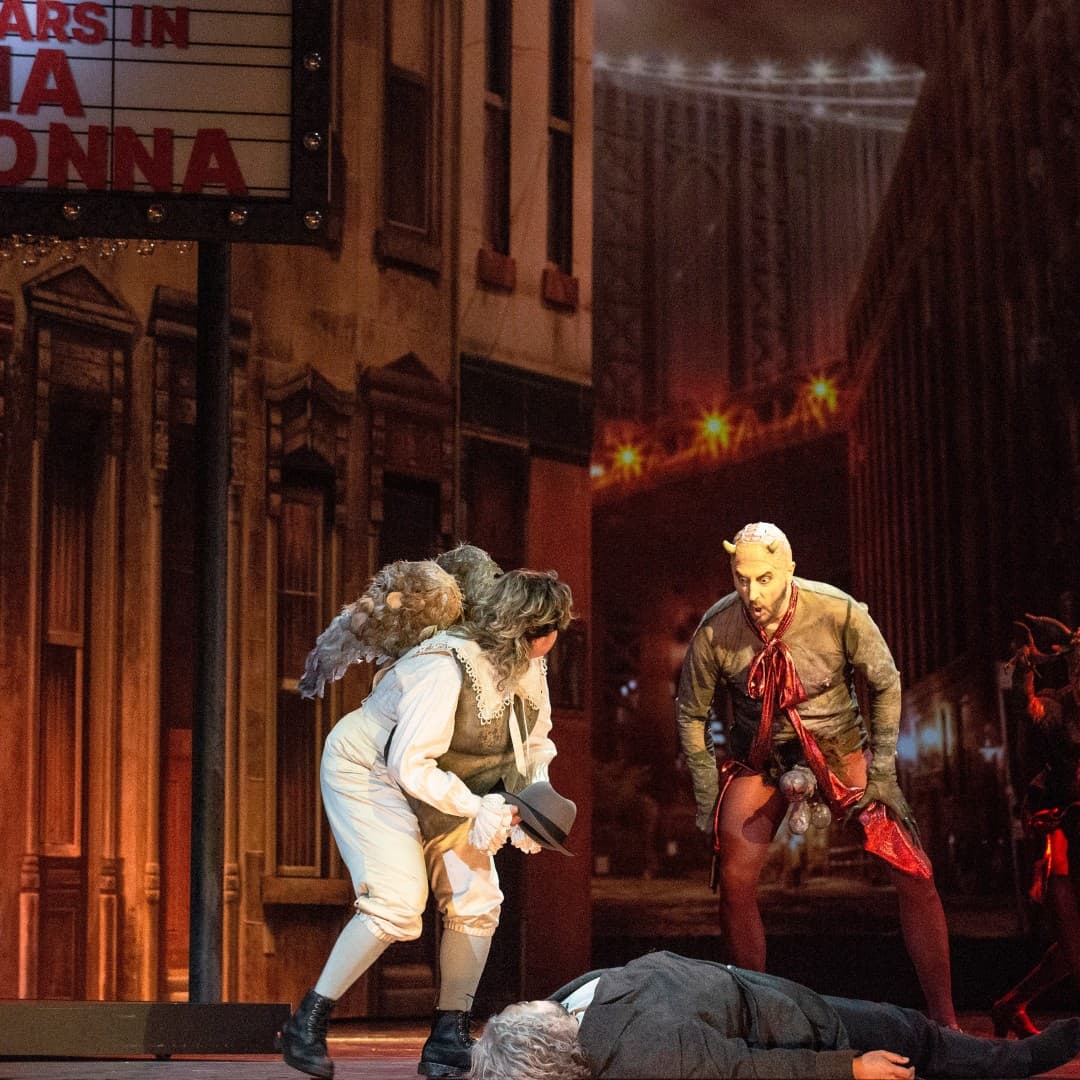
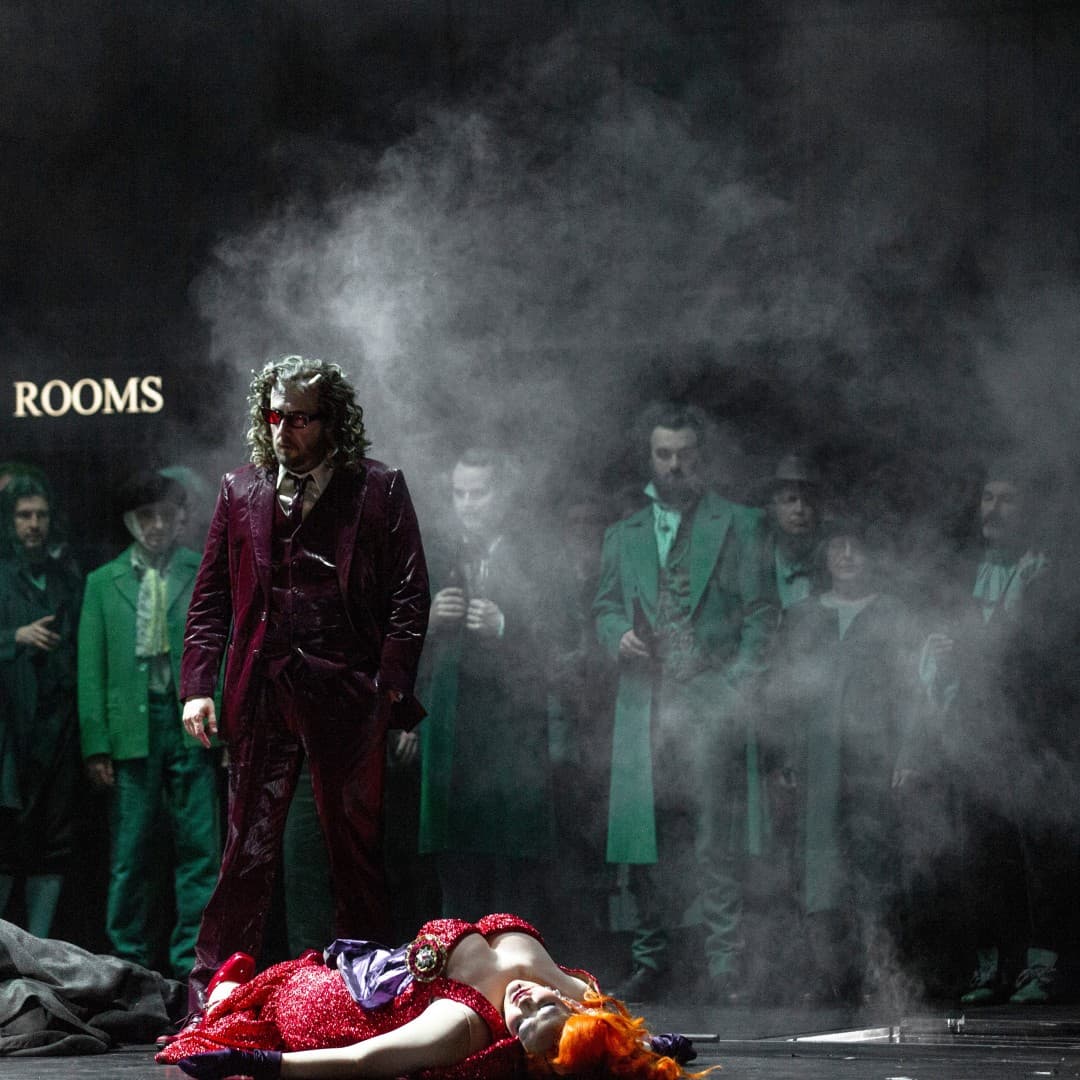
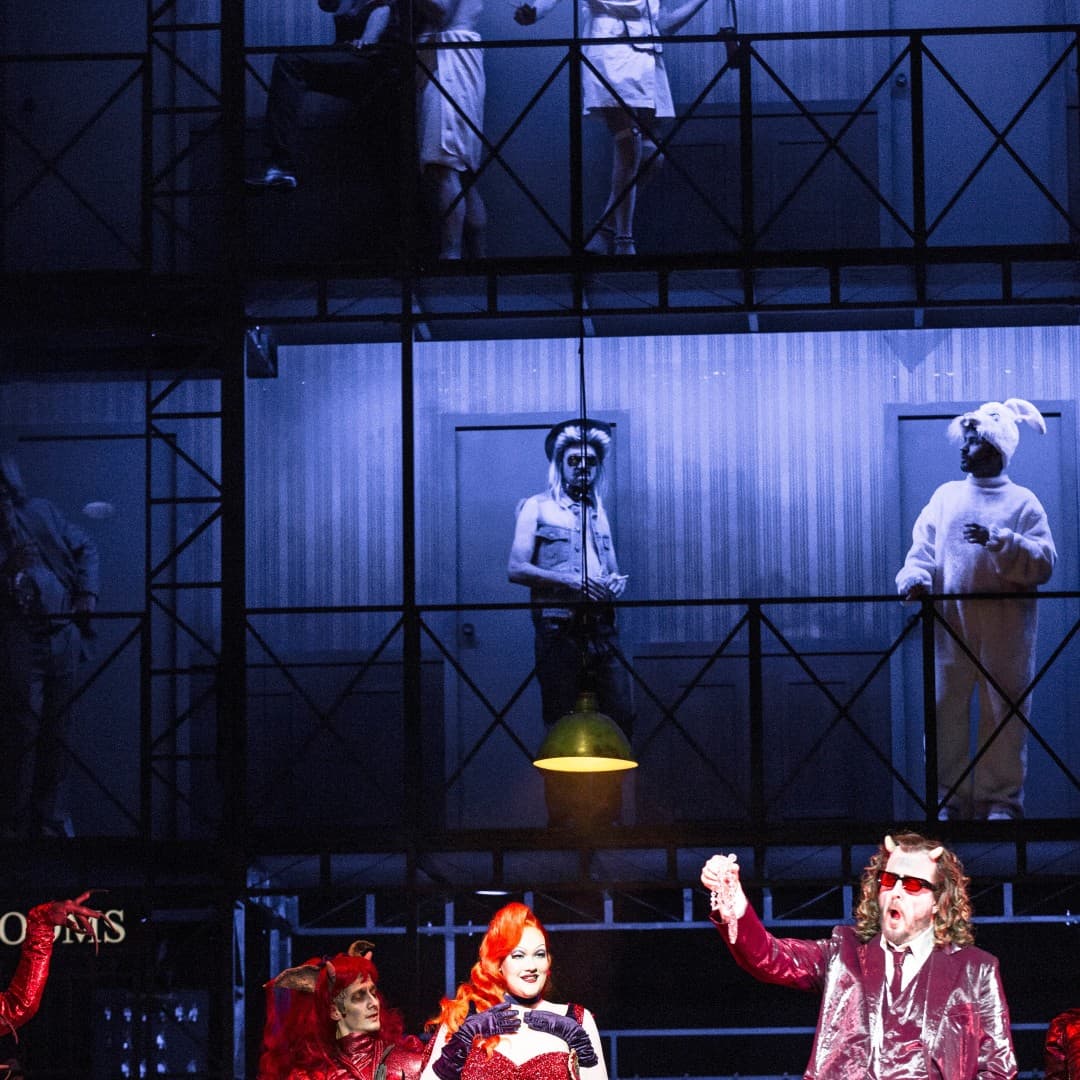
Marked by Antonia’s death, Hoffmann decides to foreswear romantic love. He only wants to give in to pleasure, and to the beautiful courtesan Giulietta. She alone seems to touch his heart. But Giulietta stands under the influence of the duplicitous Dapertutto, who hires her to seduce Hoffmann and rob him of his reflection. At first she hesitates, but Dapertutto knows how to take advantage of her weaknesses, and she gives in. When Hoffmann realizes that Giulietta has tricked him, he becomes enraged. Encouraged by Dapertutto, he kills her, and realizes at the very last moment that the demon controlling him is none other than the devil himself, who has followed him all his life.
Act Five (Epilogue)
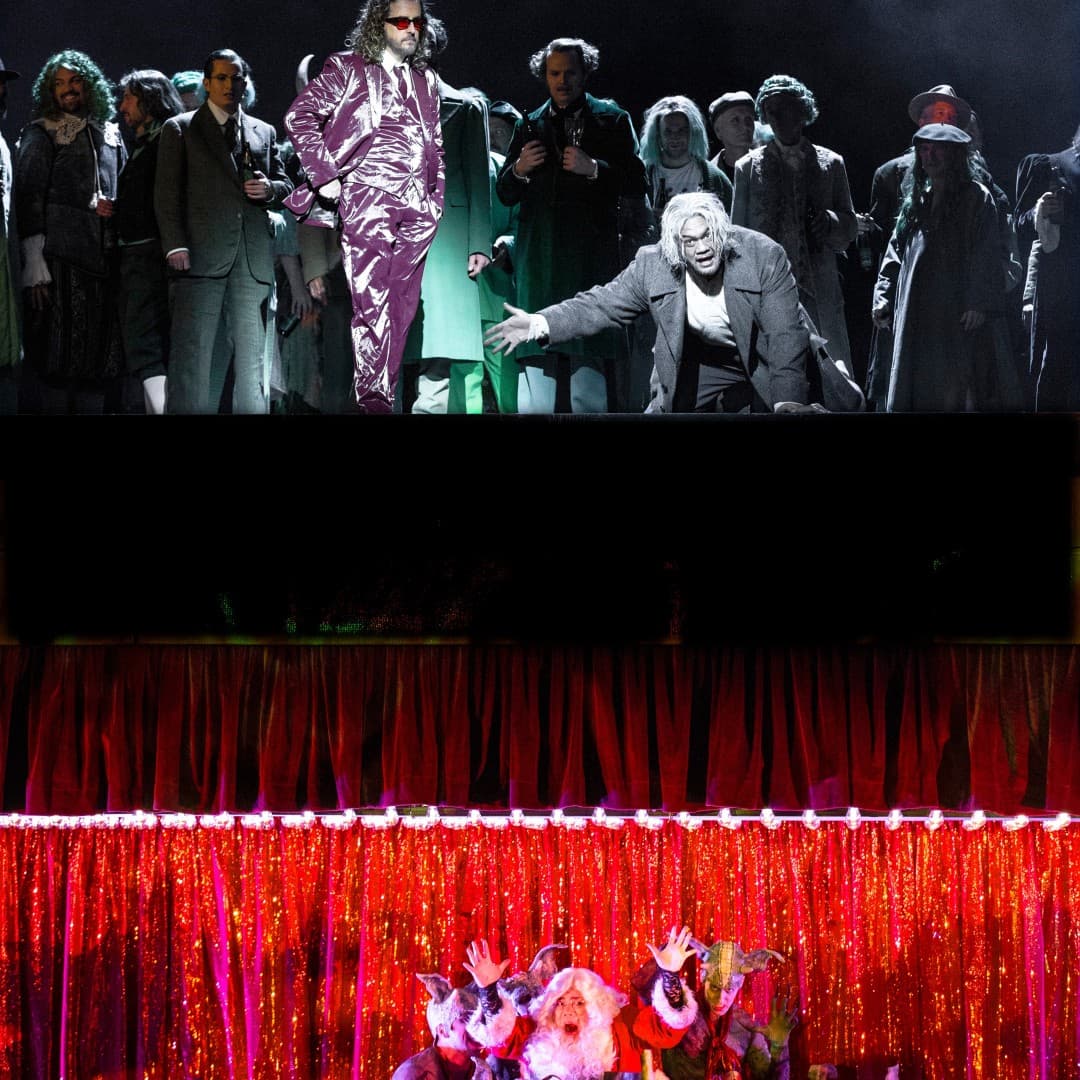
Hoffmann has told his final tale, the cards are on the table. Before the eyes of all those he has encountered throughout his life, a decision is made over his fate: apotheosis or ride to hell?
---
Insight before the premiere on 10th November 2025
The production contains depictions of sexuality and exaggerated representations of the phallus.
The audience is immersed in a world full of odd characters and situations, fantastic elements with several demonic, breathtaking moments and a vital, rich score. The title character, modelled on the complex Romantic writer E. T. A. Hoffmann, finds himself among his own stories, fascinated equally by art and by love, attracted by the female characters and duped by his rivals. Director Lydia Steier with her team and the conductor Bertrand de Billy will collaborate to produce an opulent scenic and musical realization.
PROGRAMME
Act One (Prologue)
The great poet Hoffmann is finished. Once a highly regarded artist, he is now a broken man, a wreck who finds his sole consolation in alcohol and his fantasy Stella, his idée fixe of a supernatural woman. Although the world has long forgotten him, two characters continue to struggle for his soul: the angelic muse and the devil, his eternal nemesis. While the muse wants to save him, redeem him, lead him towards the good, the devil wants to drive him finally into the abyss of Hoffmann’s own making.
The examination of Hoffmann’s soul begins in Luthers Keller, a dive where artists seek to drown their dreams and defeats, smoking and drinking the nights away. Nothing is left for him but to drink to make eternity bearable. Where did he take a wrong turn in life? Which encounters went well, which did not? Whom did he love well, whom did he love badly? To find answers, Hoffmann returns to his most important loves: Olympia, Antonia, and Giulietta.
Act Two
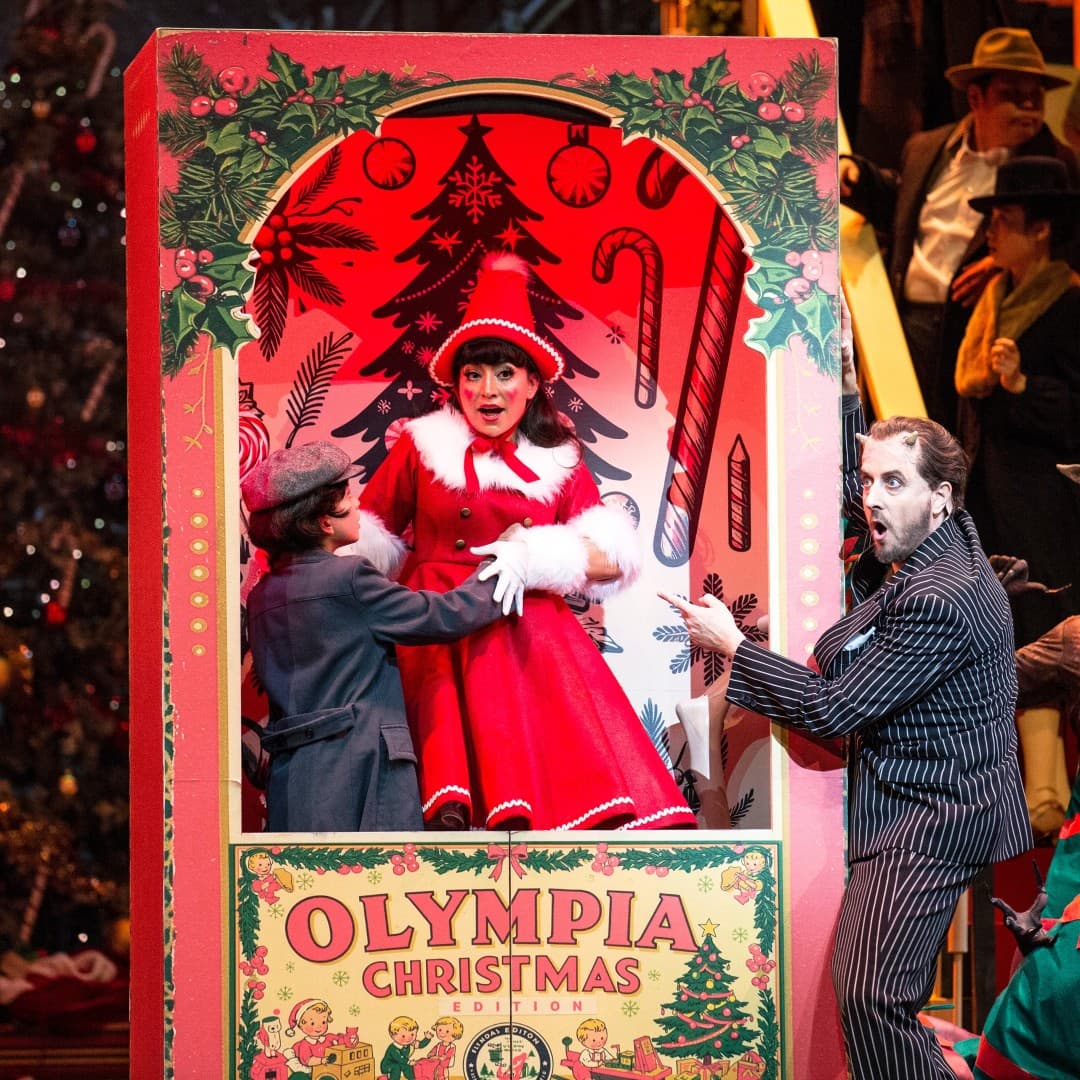
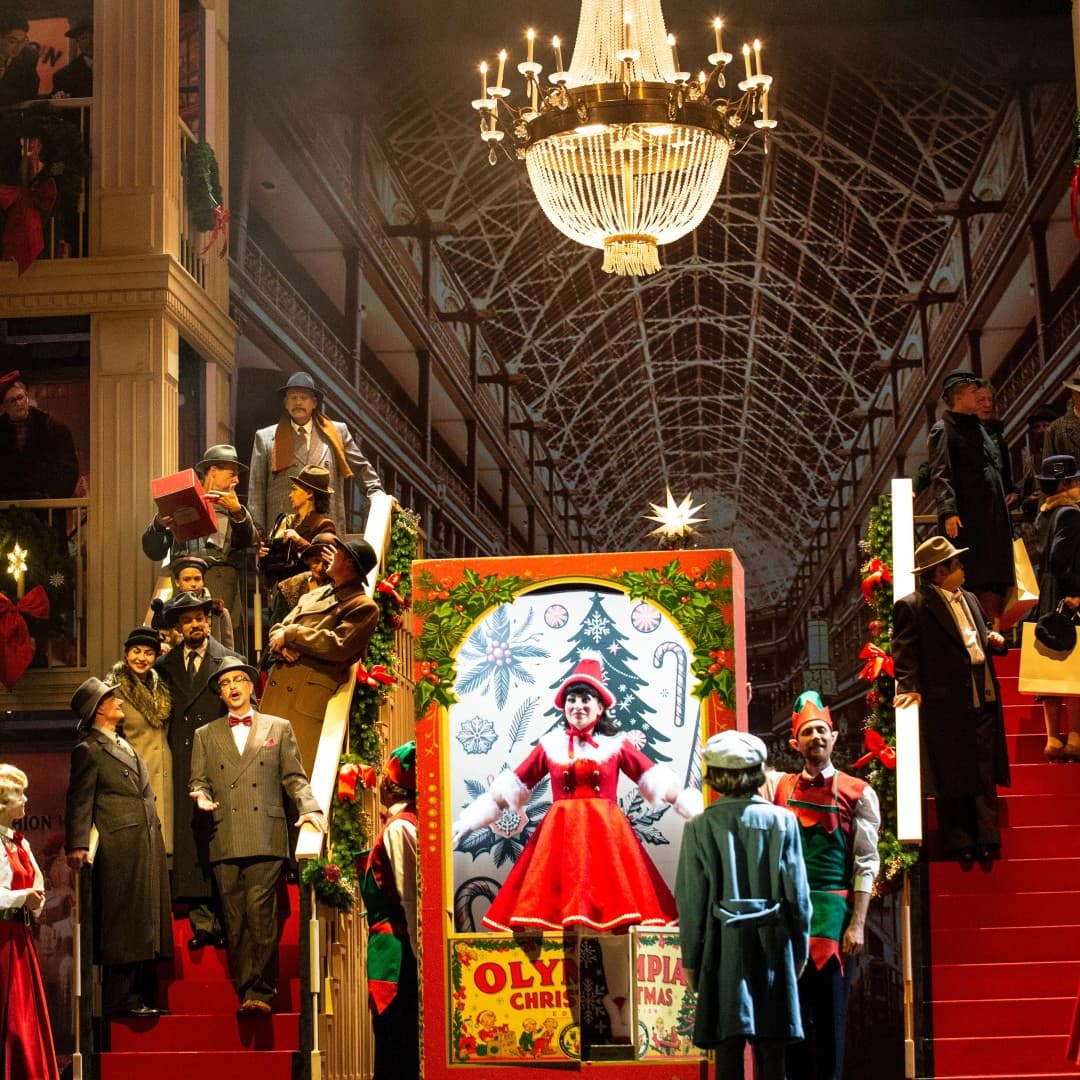
The latest invention of the physicist Spalanzani is eagerly awaited: the mechanical doll Olympia. Even before she is introduced to the eager public, Hoffmann succeeds in catching a glimpse of her, and is immediately enchanted. When Coppélius, who claims to be a friend of Spalanzani and deals with optical devices, sells him a pair of magical glasses, his fate is sealed: he falls in love and thinks he hears a declaration of love in each of her mechanical words. During a shared waltz, the doll gets out of control, and Hoffmann loses his glasses—and the illusion along with them. The bitter, embarrassing realization hits him hard; he has fallen in love with a robot.
Act Three
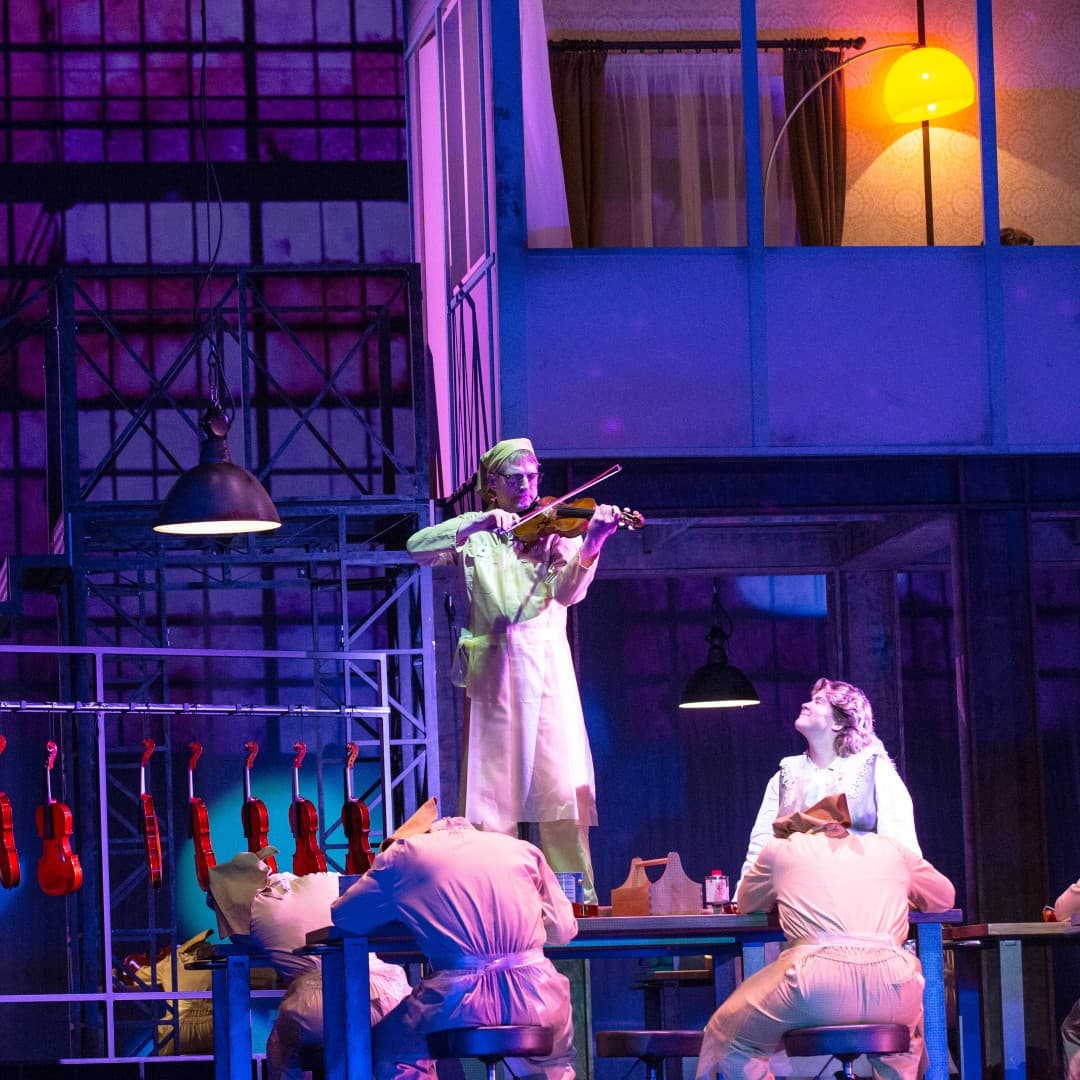
Antonia, the daughter of violinmaker Crespel, sings longingly of freedom and fidelity. But her father forbids singing, because her mother, a celebrated opera singer, died from a mysterious illness that was triggered by singing. To protect her, Crespel imprisons her and orders his deaf servant Frantz not to let anyone in the house. But when Hoffmann turns up, Frantz joyfully welcomes him and allows the lovers to meet. The joy of reunion does not last long: Crespel returns, closely followed by the sinister Dr. Miracle. From a hiding place, Hoffmann observes how the doctor examines Antonia. Crespel throws Miracle out, convinced that he has already caused the death of his wife. Hoffmann realizes that Antonia is doomed to die if she continues to sing. He urgently begs her to give up her beloved music, and she reluctantly agrees. But just as Hoffmann leaves, Miracle reappears. He fervently paints a vision for her a life as a celebrated singer. Antonia struggles, but when the image of her dead mother appears to her, she cannot resist: she begins to sing, and dies.
Act Four
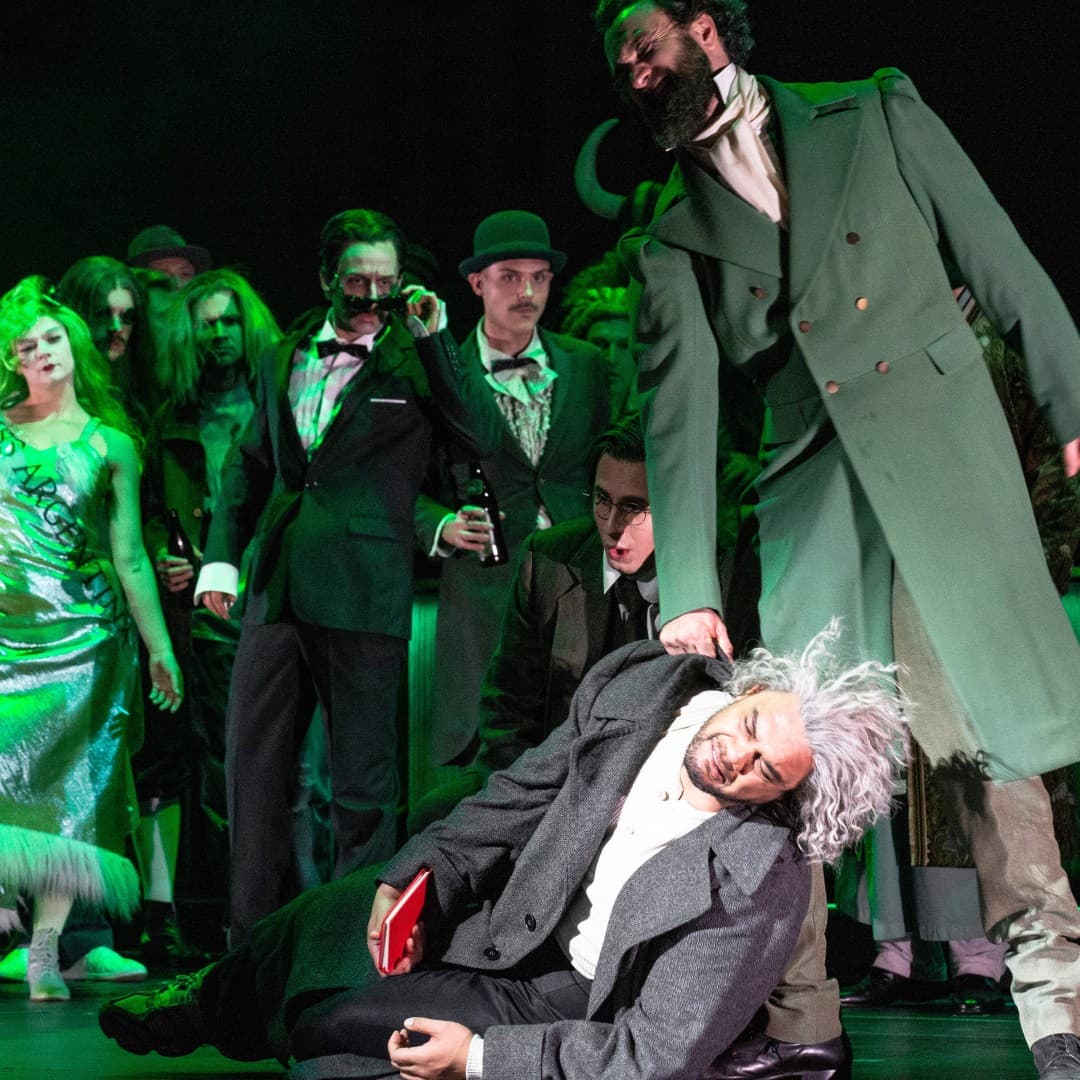
Marked by Antonia’s death, Hoffmann decides to foreswear romantic love. He only wants to give in to pleasure, and to the beautiful courtesan Giulietta. She alone seems to touch his heart. But Giulietta stands under the influence of the duplicitous Dapertutto, who hires her to seduce Hoffmann and rob him of his reflection. At first she hesitates, but Dapertutto knows how to take advantage of her weaknesses, and she gives in. When Hoffmann realizes that Giulietta has tricked him, he becomes enraged. Encouraged by Dapertutto, he kills her, and realizes at the very last moment that the demon controlling him is none other than the devil himself, who has followed him all his life.
Act Five (Epilogue)
Hoffmann has told his final tale, the cards are on the table. Before the eyes of all those he has encountered throughout his life, a decision is made over his fate: apotheosis or ride to hell?
---
Insight before the premiere on 10th November 2025
The production contains depictions of sexuality and exaggerated representations of the phallus.
Cast
Pierre Dumoussaud
Musical Director
Lydia Steier
Director
Katharina Lang
Assistant director
Leander Teßmer
Assistant director
Caroline Staunton
Assistant director
Momme Hinrichs
Bühne, Video
Ursula Kudrna
Costumes
Olaf Freese
Light
Tabatha McFadyen
Choreography
Dani Juris
Chorus Master
Maurice Lenhard
Dramaturgy
Christoph Lang
Dramaturgy
Regina Koncz
Olympia
Benjamin Bernheim / N.N.
Hoffmann
Siobhan Stagg
Antonia
Sandra Laagus
Giulietta
Alex Esposito
Lindorf, Coppélius, Dr. Miracle, Dapertutto
Samantha Hankey
La Muse, Nicklausse
Andrés Moreno García
Andrès, Cochenille, Frantz, Pitichinaccio
Irakli Pkhaladze
Luther
David Oštrek
Hermann
Junho Hwang
Nathanaël
Florian Hoffmann
Spalanzani
Stefan Cerny
Crespel
Anna Kissjudit
Stimme aus dem Grab
Jaka Mihelač
Schlémil
Brigitte Eisenfeld
Die alte Dame
Staatsopernchor
Staatskapelle Berlin
Dates
Staatsoper Unter den Linden
Unter den Linden 7, 10117 Berlin
To enable Google Maps please accept functional cookies.