Deutsche Oper Berlin
La bohème
Opera
Bismarckstraße 35, 10627 Berlin
Giacomo Puccini
© Bettina Stöß
© I like visuals
© Bettina Stöß
© Bettina Stöß
© Bettina Stöß
© Bettina Stöß
© Bettina Stöß
© Bettina Stöß
© Ulrich Niepel
© Bettina Stöß
© Bettina Stöß
© Bettina Stöß
© Bettina Stöß
Description
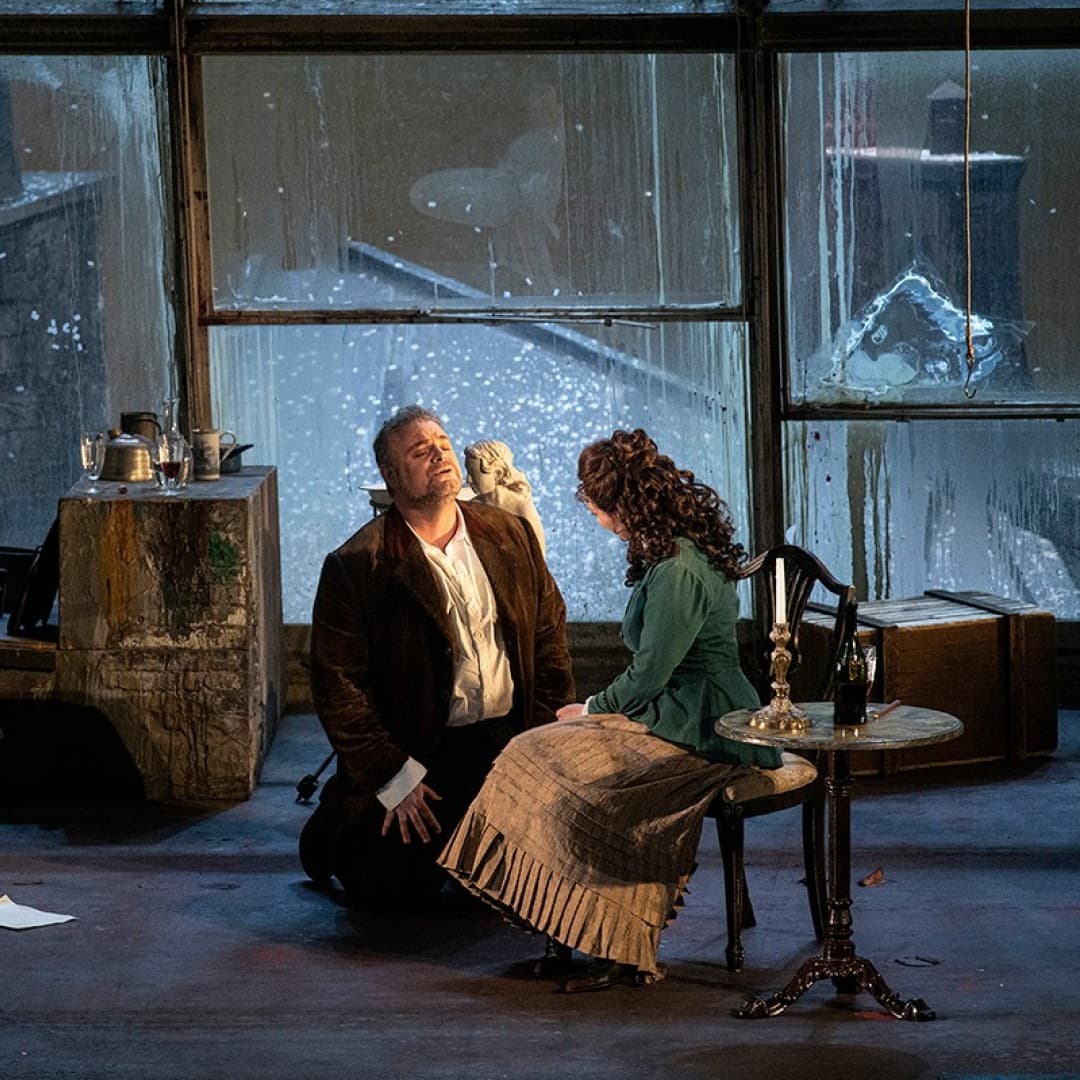
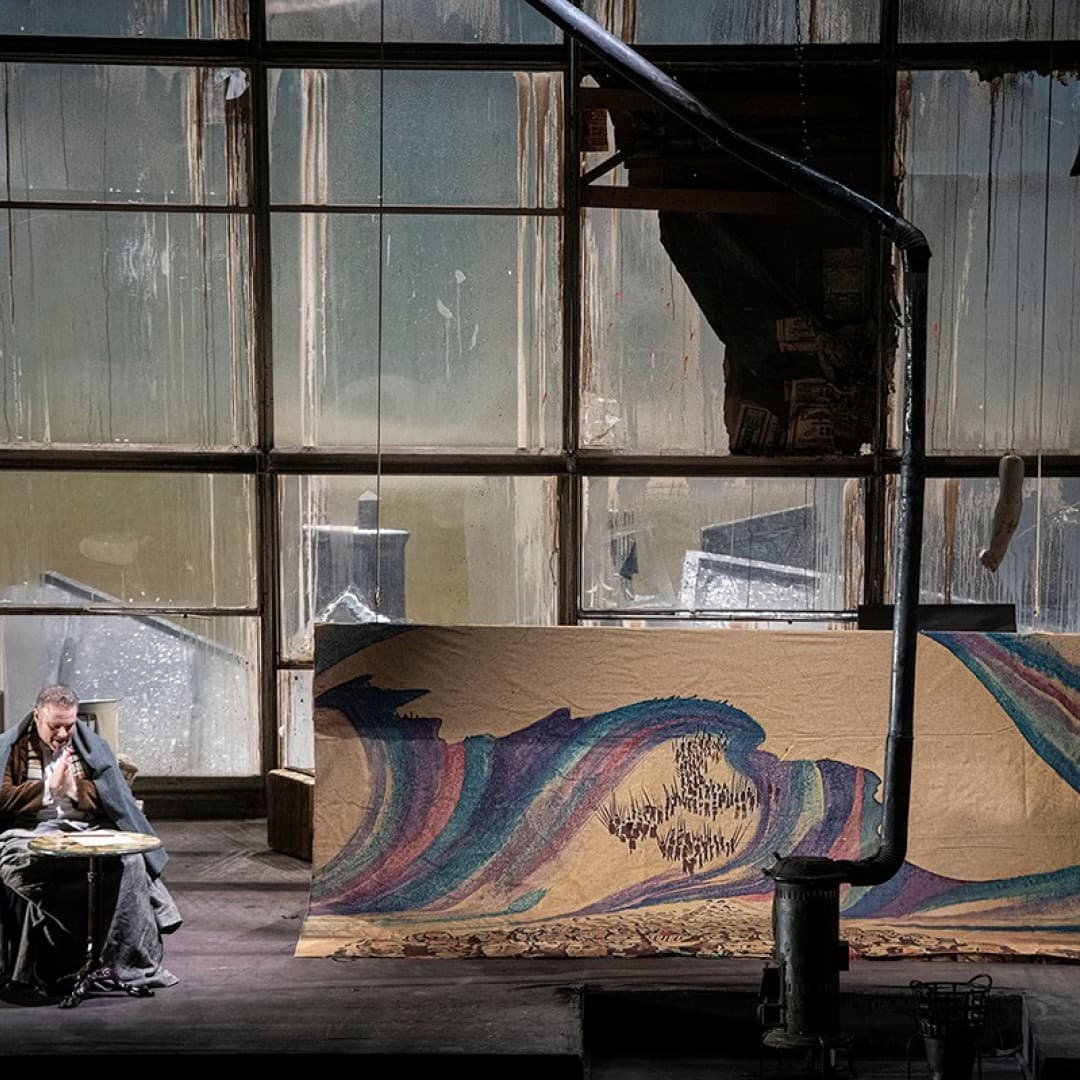
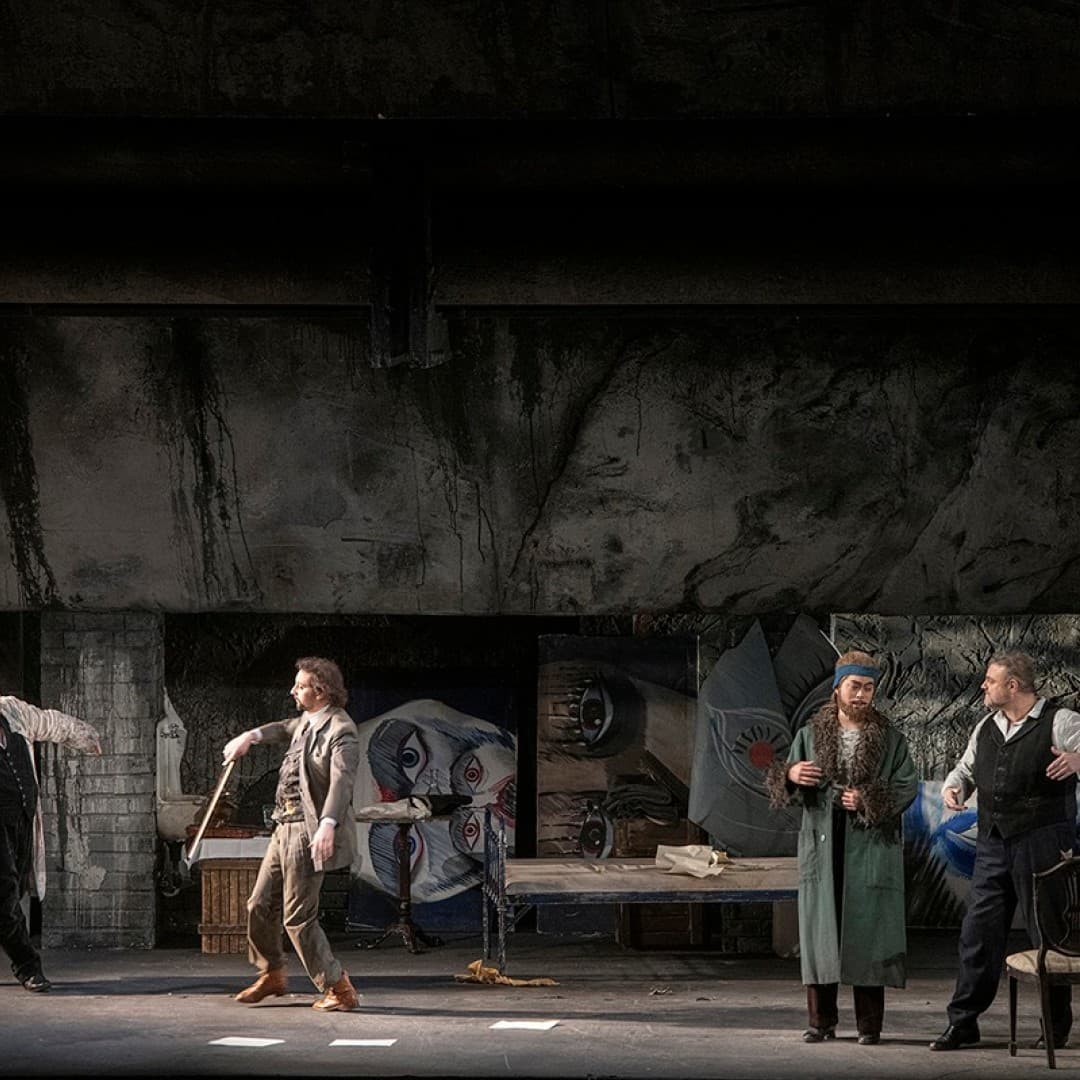
This work by Puccini is probably the most famous of all artist operas and at the same time a portrait of a group of young people who live for the moment without considering the consequences of their actions. Götz Friedrich's magnificent production reflects the glamour and misery of Paris during the Belle Époque ...
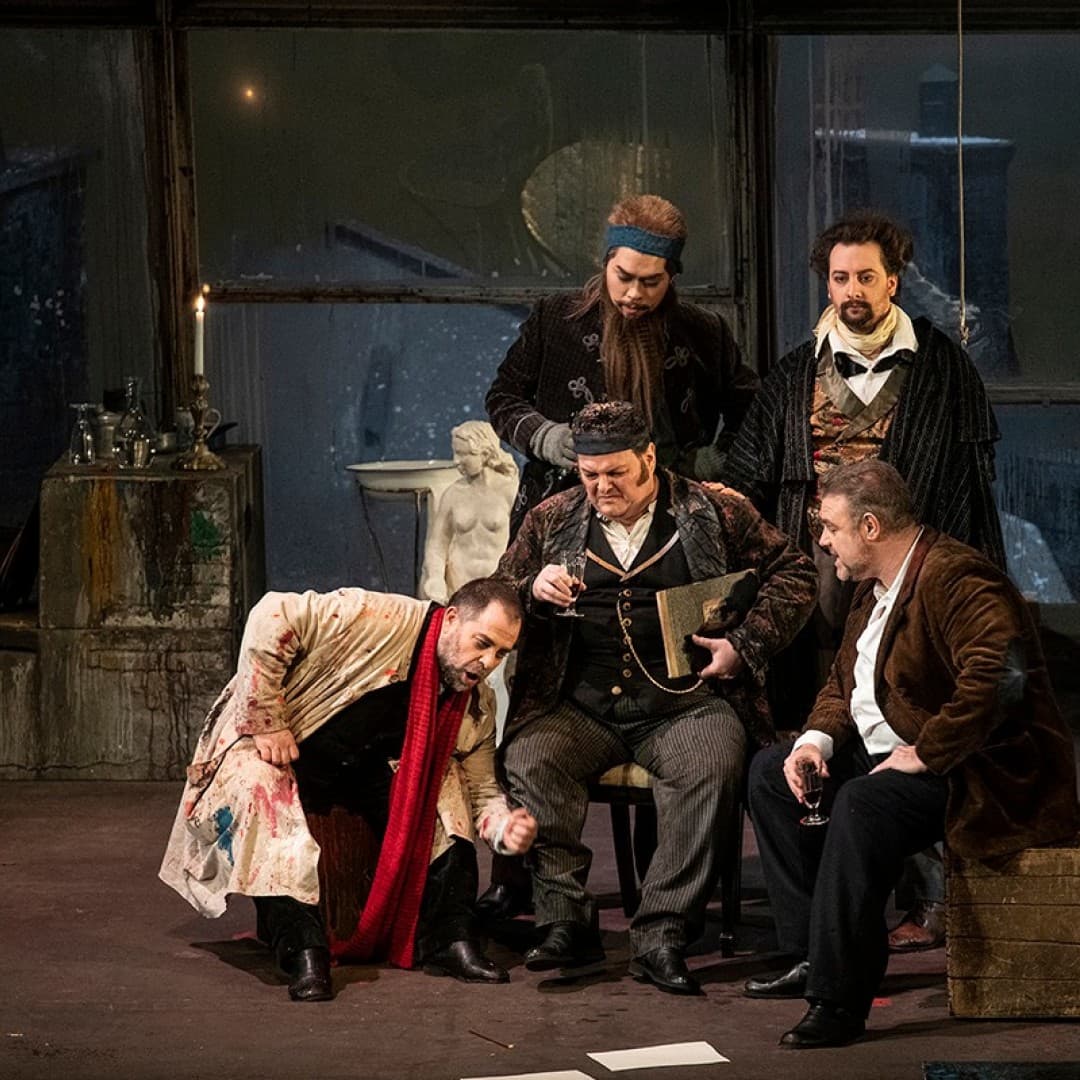
A garret in Paris on a cold winter’s day around Christmas. Rodolfo, a writer, and Marcello, a painter, are working on their masterpieces. They have no money to buy food, pay the rent or fuel the stove. Colline, a philosopher, returns from the pawn shop empty handed, having failed to get rid of some books. Only Schaunard, a musician, has managed to come up with some victuals, kindling, cigars and cash, so off they go to Café Momus - without Rodolfo, who’s trying to work. Mimì, the embroiderer from next door, arrives to ask for a match to light her candle with.
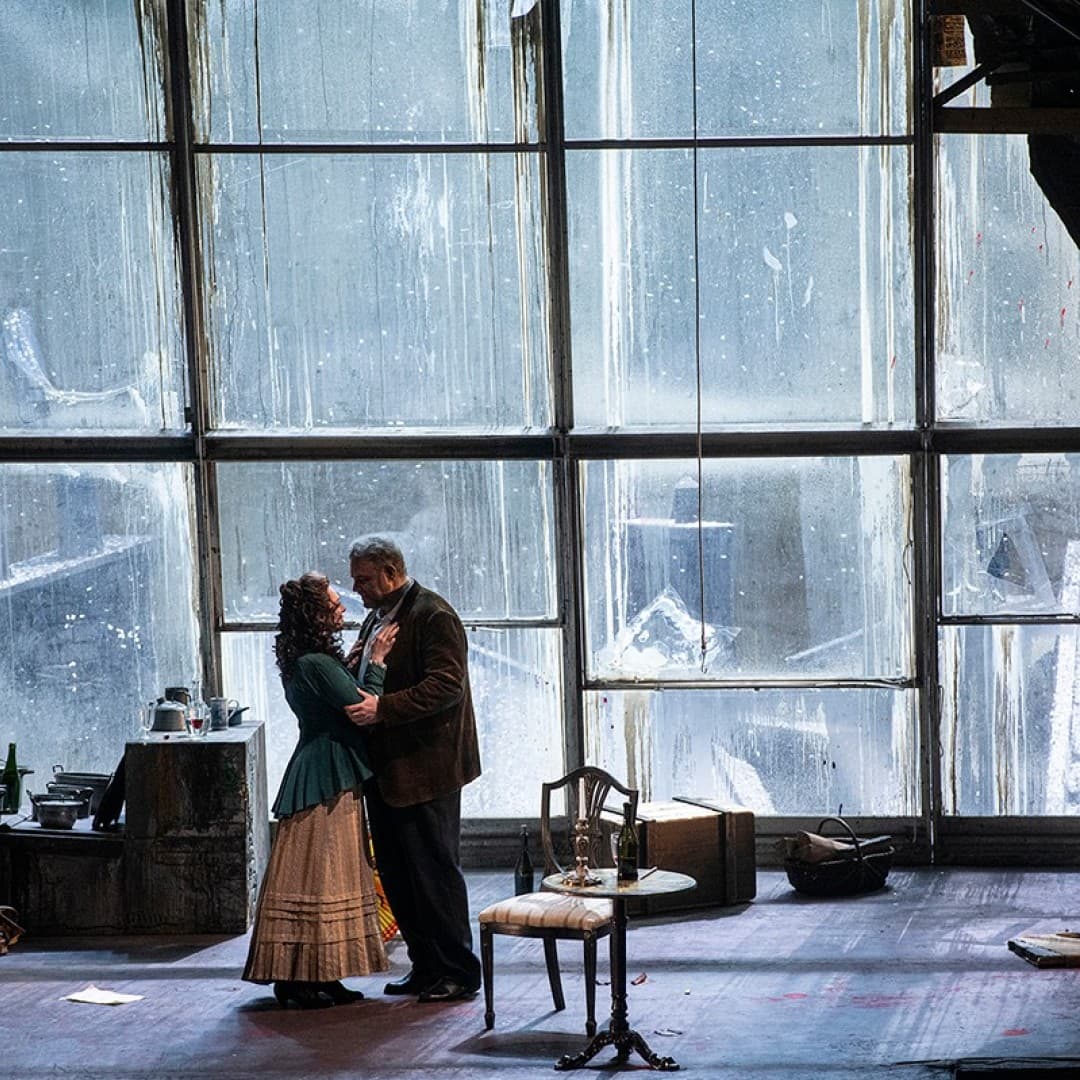
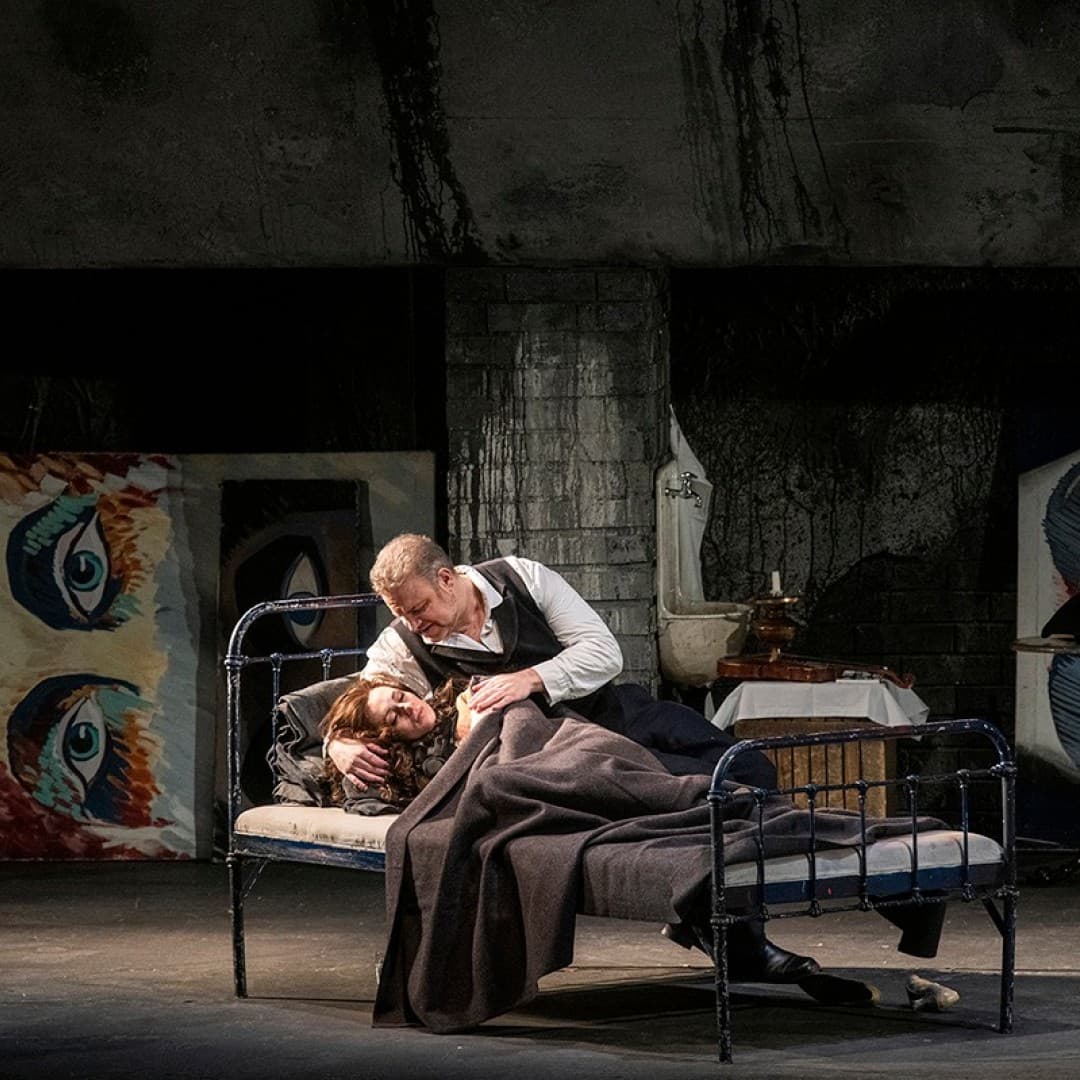
She collapses and loses her key; cue for Rodolfo to fall in love with Mimì, who is terminally ill with TB, although he dumps her two months later because the prospect of her ailment getting steadily worse in her freezing home is too much for him. Six months go by. Musetta, Marcello’s ex, arrives with Mimì, whose condition is grave. Musetta sells some earrings with a view to buying medicine; Colline gives up his coat. Gratitude and happiness for a short while. Rodolfo thinks Mimì is sleeping and her body regenerating, …but in fact she’s dead.
With his Edgar [1889] and Manon Lescaut Puccini had already made his name as a maestro of musical colour, but it was not until La bohème that he achieved the marriage of material and score that moved Claude Debussy to raptures: »No one in my mind has captured the essence of Paris so well as Puccini in La bohème«.
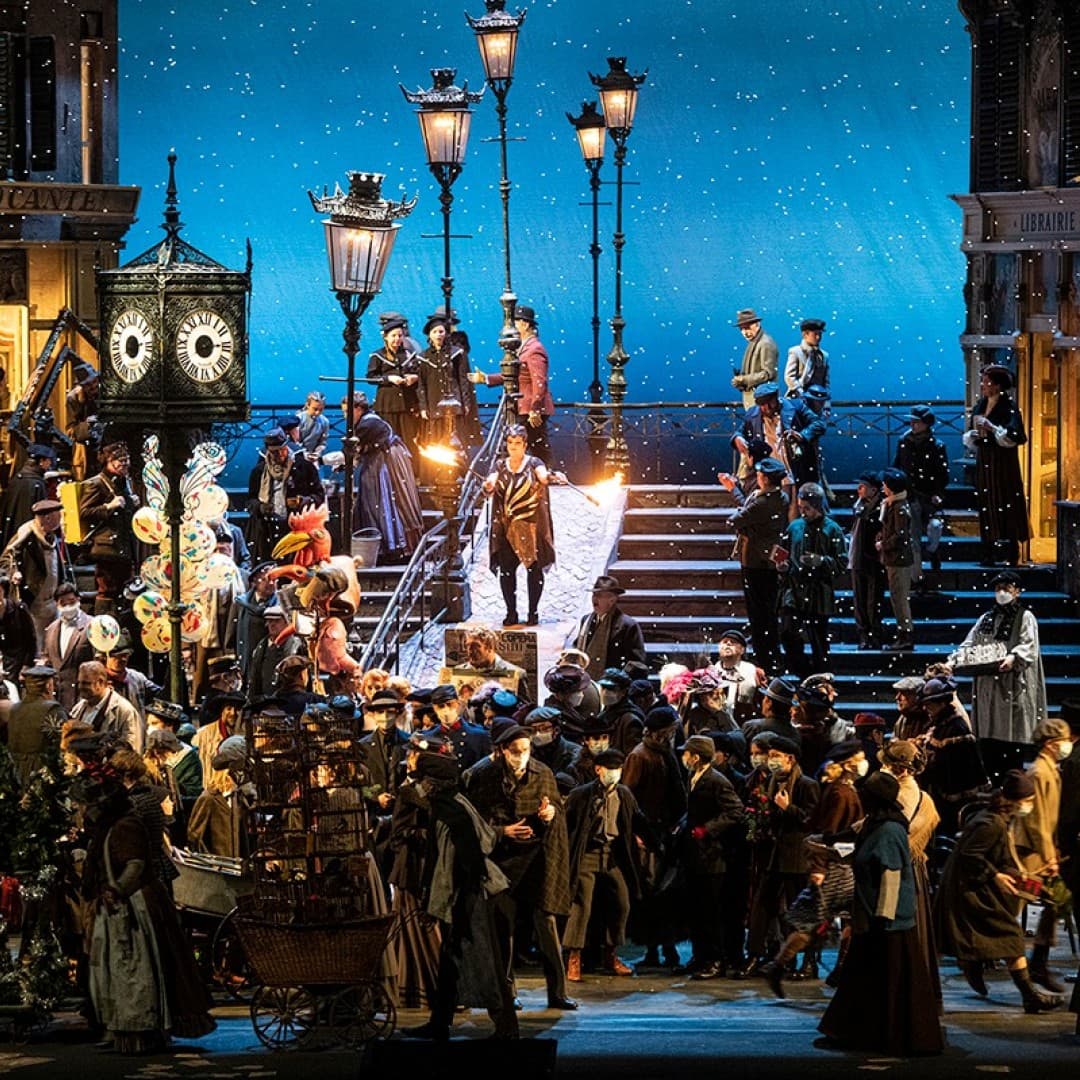
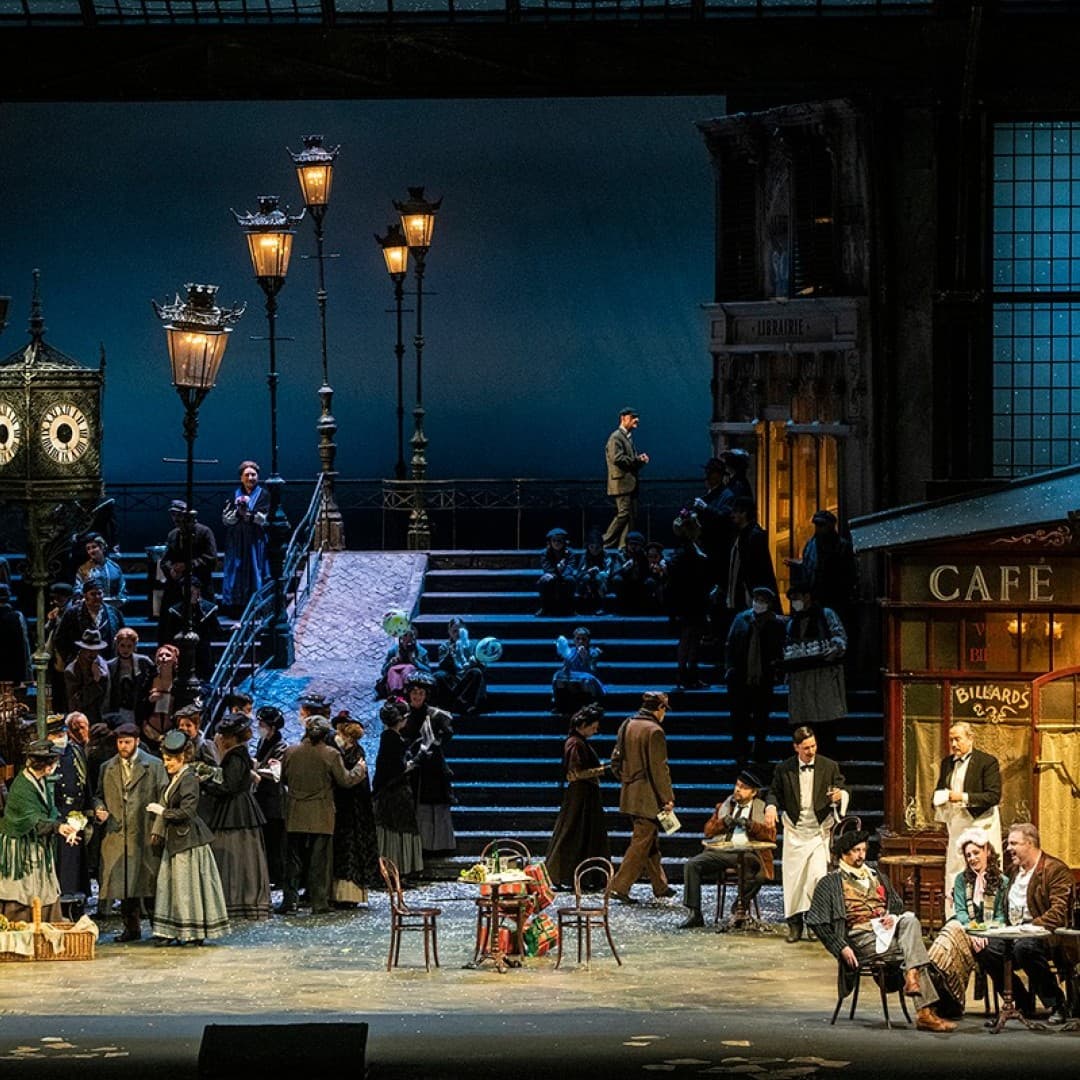
Puccini’s impressionistic style is a blend of subjective feeling and objective tonal painting. From the very beginning the music is working its charm, be it through the sound painting, atmospheric touches or local colour conveyed by the score: Rodolfo and Marcello burning the script; the poet flicking water on Mimì’s unconscious brow to cool her down; in Act 2 the chorus representing the crowd in contrast to the orchestra embodying the military parade; in Act 3 the restrained, austere music conveying the atmosphere of a chilly winter’s morning.
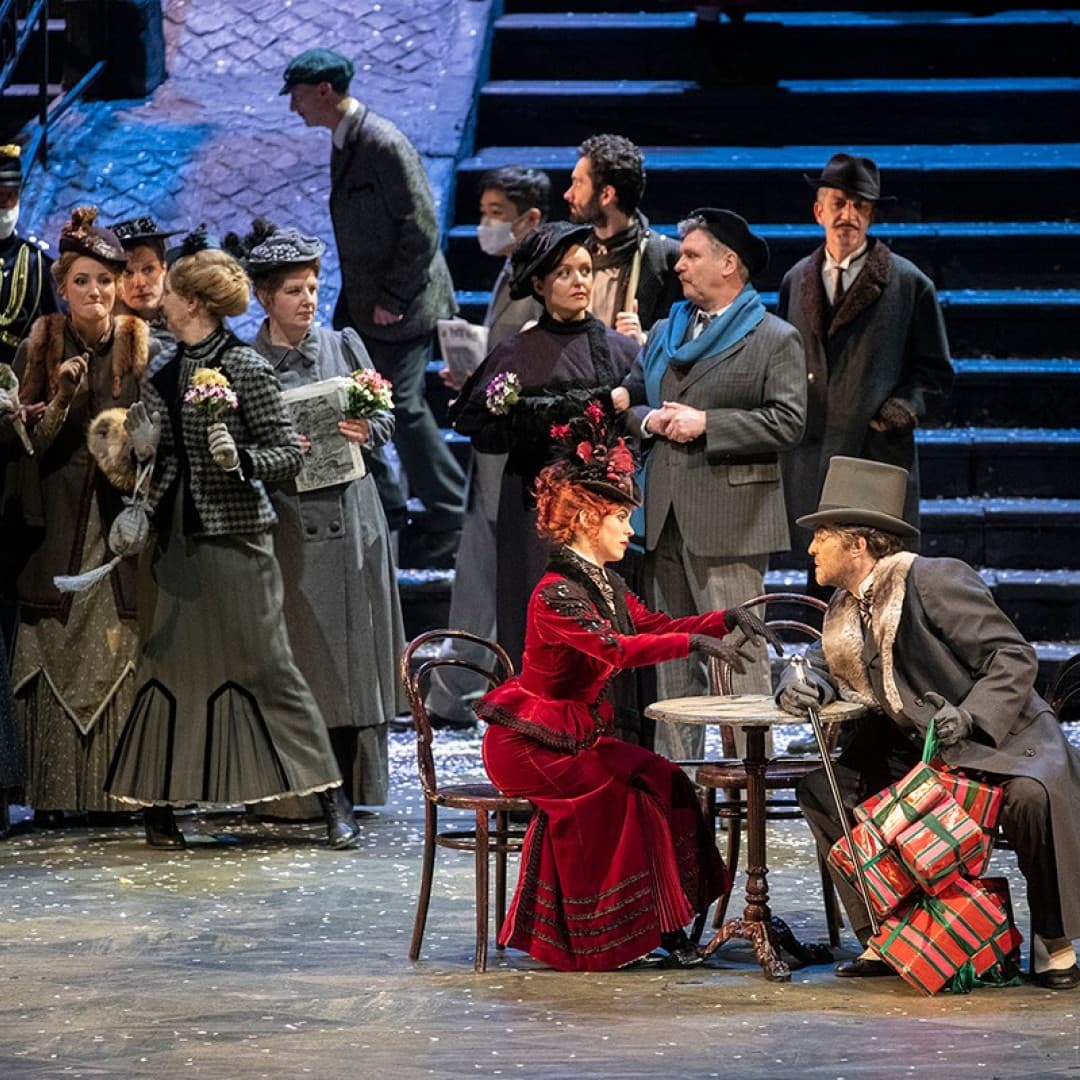
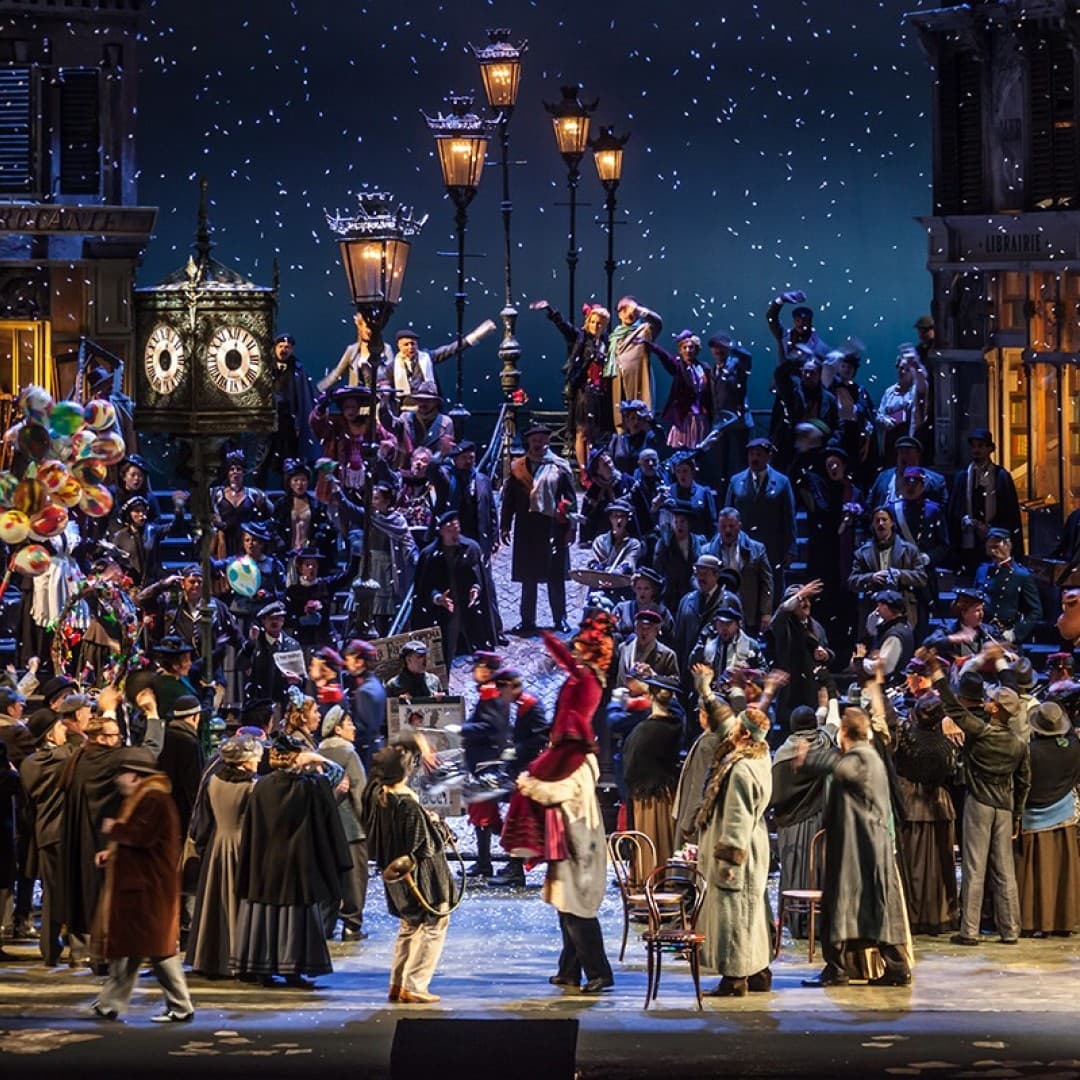
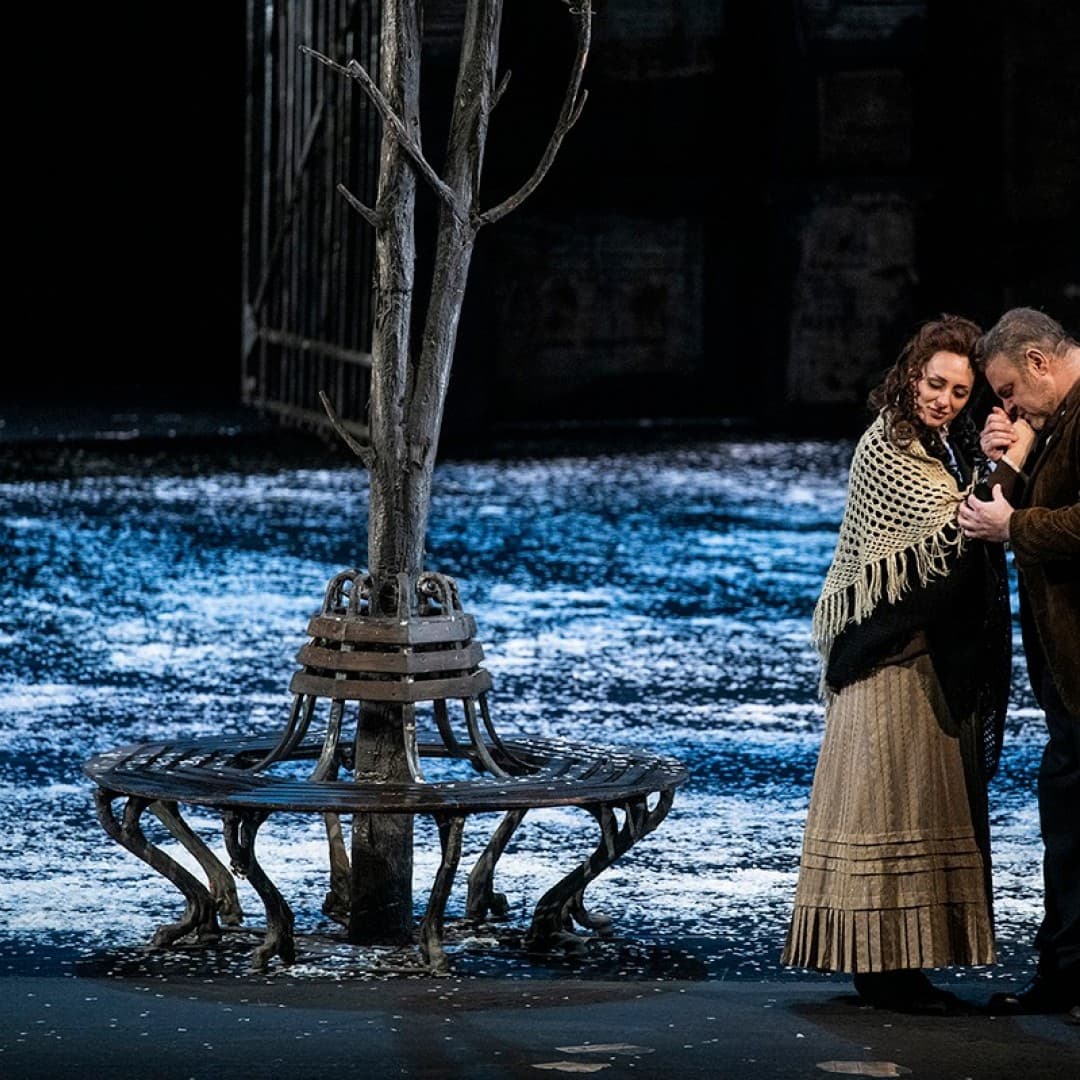
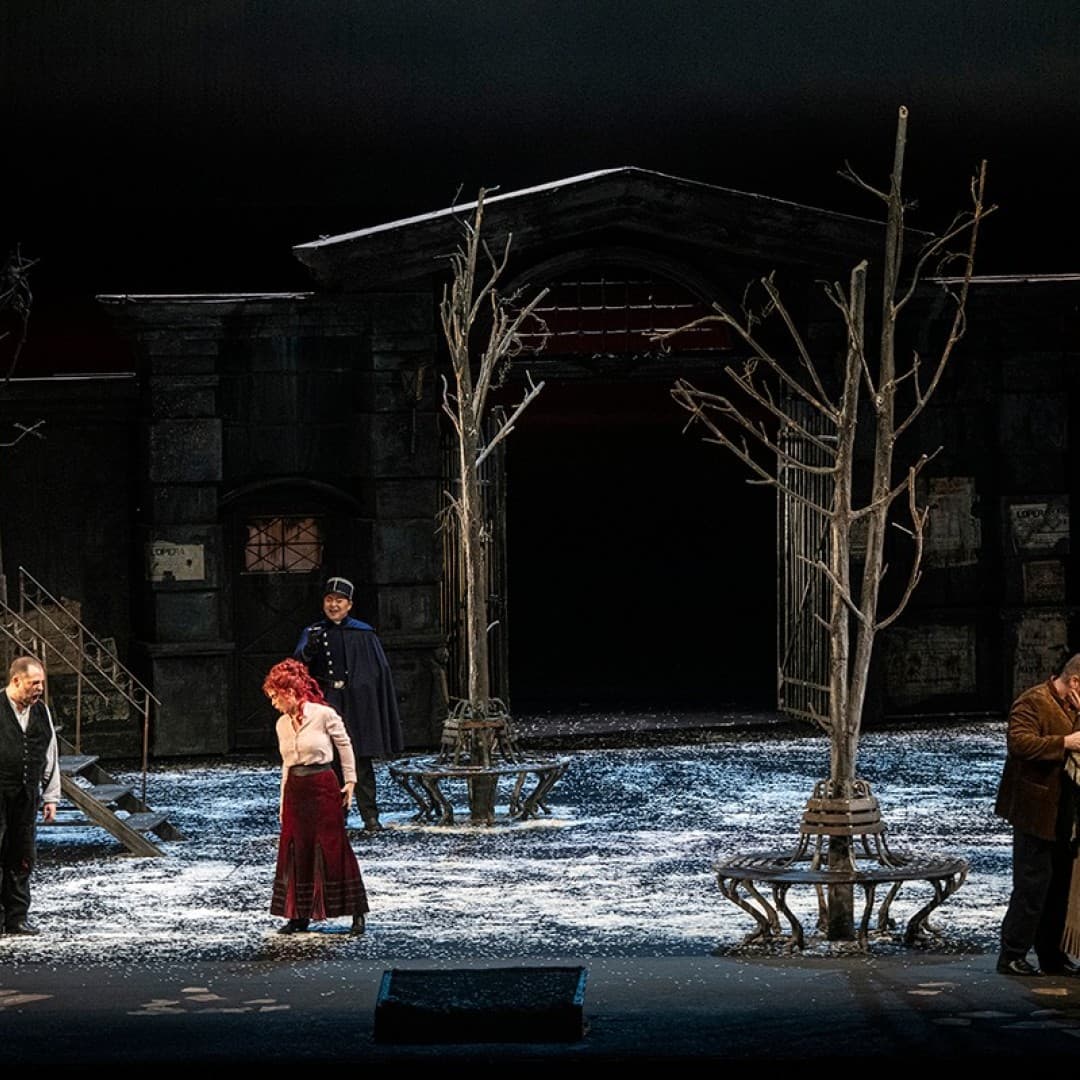
Götz Friedrich’s production from 1988 transposes the action from 1840s Paris to the end of that century, i.e. to Puccini’s own present day. His version of the work, with its colourful depictions of Belle Époque Paris and the outsized stage sets, continue to captivate audiences 35 years later.
A garret in Paris on a cold winter’s day around Christmas. Rodolfo, a writer, and Marcello, a painter, are working on their masterpieces. They have no money to buy food, pay the rent or fuel the stove. Colline, a philosopher, returns from the pawn shop empty handed, having failed to get rid of some books. Only Schaunard, a musician, has managed to come up with some victuals, kindling, cigars and cash, so off they go to Café Momus - without Rodolfo, who’s trying to work. Mimì, the embroiderer from next door, arrives to ask for a match to light her candle with.
She collapses and loses her key; cue for Rodolfo to fall in love with Mimì, who is terminally ill with TB, although he dumps her two months later because the prospect of her ailment getting steadily worse in her freezing home is too much for him. Six months go by. Musetta, Marcello’s ex, arrives with Mimì, whose condition is grave. Musetta sells some earrings with a view to buying medicine; Colline gives up his coat. Gratitude and happiness for a short while. Rodolfo thinks Mimì is sleeping and her body regenerating, …but in fact she’s dead.
With his Edgar [1889] and Manon Lescaut Puccini had already made his name as a maestro of musical colour, but it was not until La bohème that he achieved the marriage of material and score that moved Claude Debussy to raptures: »No one in my mind has captured the essence of Paris so well as Puccini in La bohème«.
Puccini’s impressionistic style is a blend of subjective feeling and objective tonal painting. From the very beginning the music is working its charm, be it through the sound painting, atmospheric touches or local colour conveyed by the score: Rodolfo and Marcello burning the script; the poet flicking water on Mimì’s unconscious brow to cool her down; in Act 2 the chorus representing the crowd in contrast to the orchestra embodying the military parade; in Act 3 the restrained, austere music conveying the atmosphere of a chilly winter’s morning.
Götz Friedrich’s production from 1988 transposes the action from 1840s Paris to the end of that century, i.e. to Puccini’s own present day. His version of the work, with its colourful depictions of Belle Époque Paris and the outsized stage sets, continue to captivate audiences 35 years later.
Cast
Juraj Valčuha / Dominic Limburg
Conductor
Götz Friedrich
Director
Orchester der Deutschen Oper Berlin
Chor der Deutschen Oper Berlin
Kinderchor der Deutschen Oper Berlin
---
Attilio Glaser
Rodolfo
Philipp Jekal
Schaunard
Thomas Lehman
Marcello
Joel Allison
Colline
Jörg Schörner
Benoit
Maria Motolygina
Mimì
Alexandra Oomens
Musetta
Michael Dimovski
Parpignol
Burkhard Ulrich
Alcindoro
Paul Minhyung Roh
Sergeant of tollkeepers
Benjamin Dickerson
Tollkeeper
---
Peter Sykora
Stage-design, Costume-design
Thomas Richter
Chorus Master
Christian Lindhorst
Children’s chorus
Stephen Watson
Lighting
Dates
Deutsche Oper Berlin
Bismarckstraße 35, 10627 Berlin
To enable Google Maps please accept functional cookies.