Deutsche Oper Berlin
The Treasure Hunter
Opera
Bismarckstraße 35, 10627 Berlin
Frank Schreker
© Monika Rittershaus
© Ruth Tromboukis
© Ruth Tromboukis
© Monika Rittershaus
© Monika Rittershaus
© Monika Rittershaus
© Monika Rittershaus
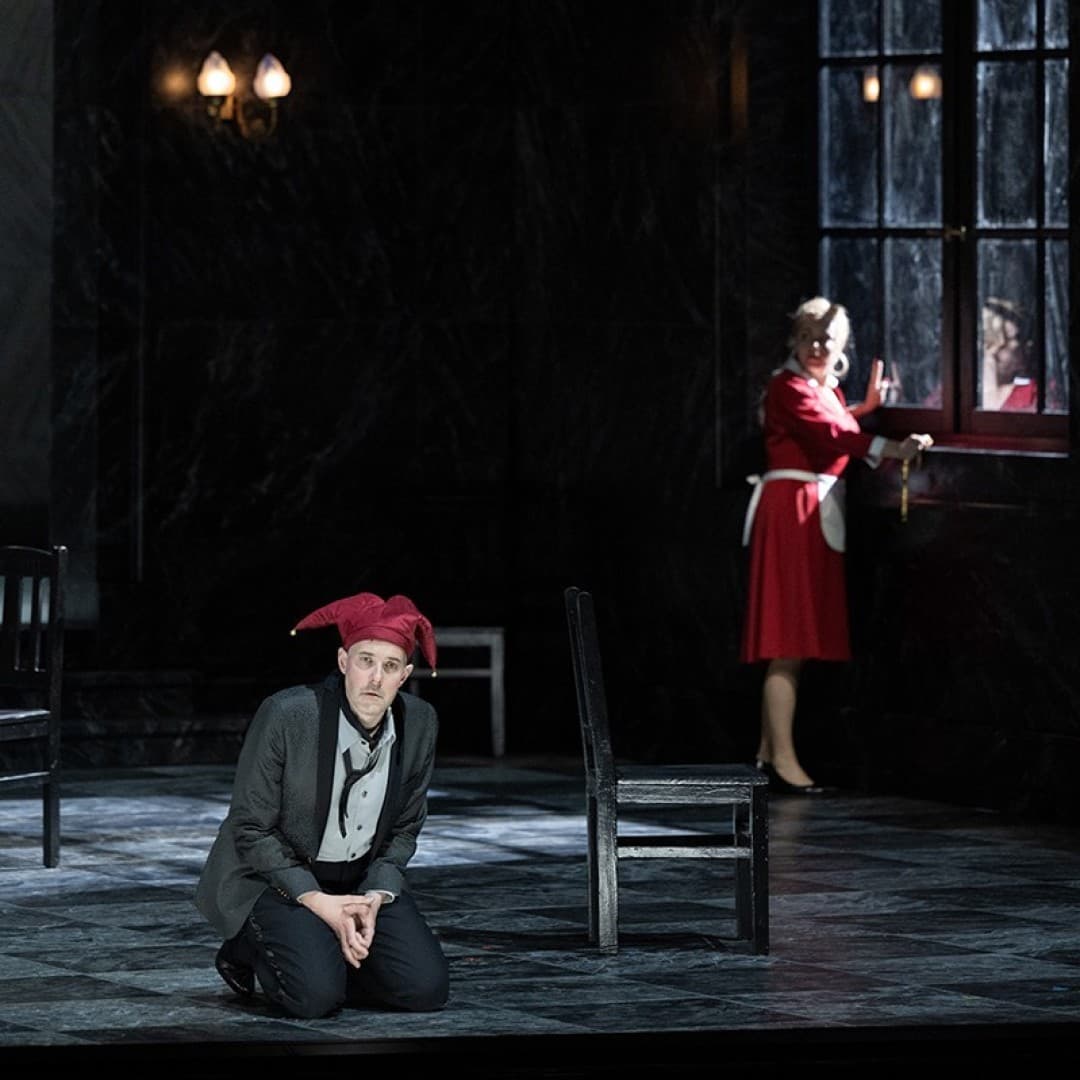
© Monika Rittershaus
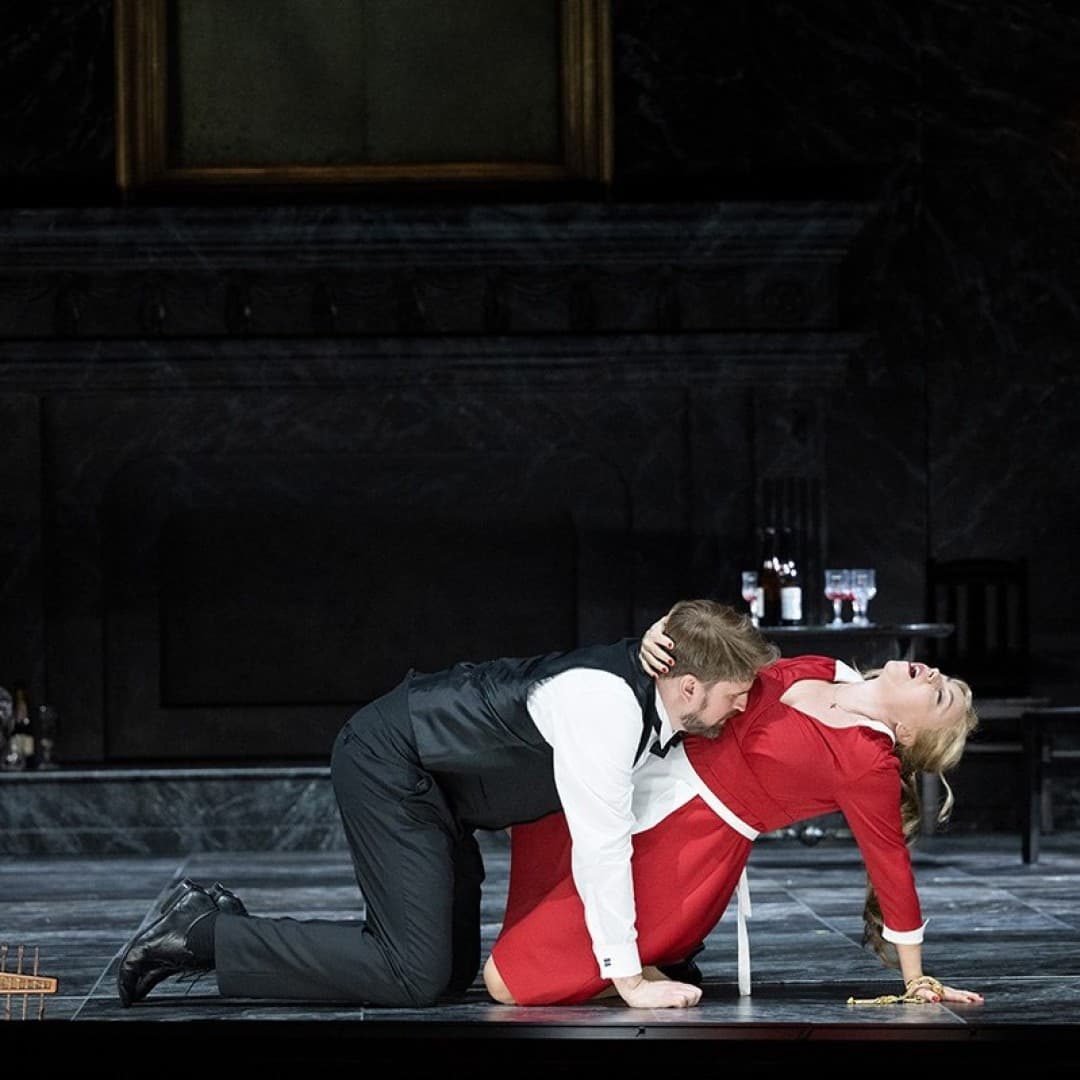
© Monika Rittershaus
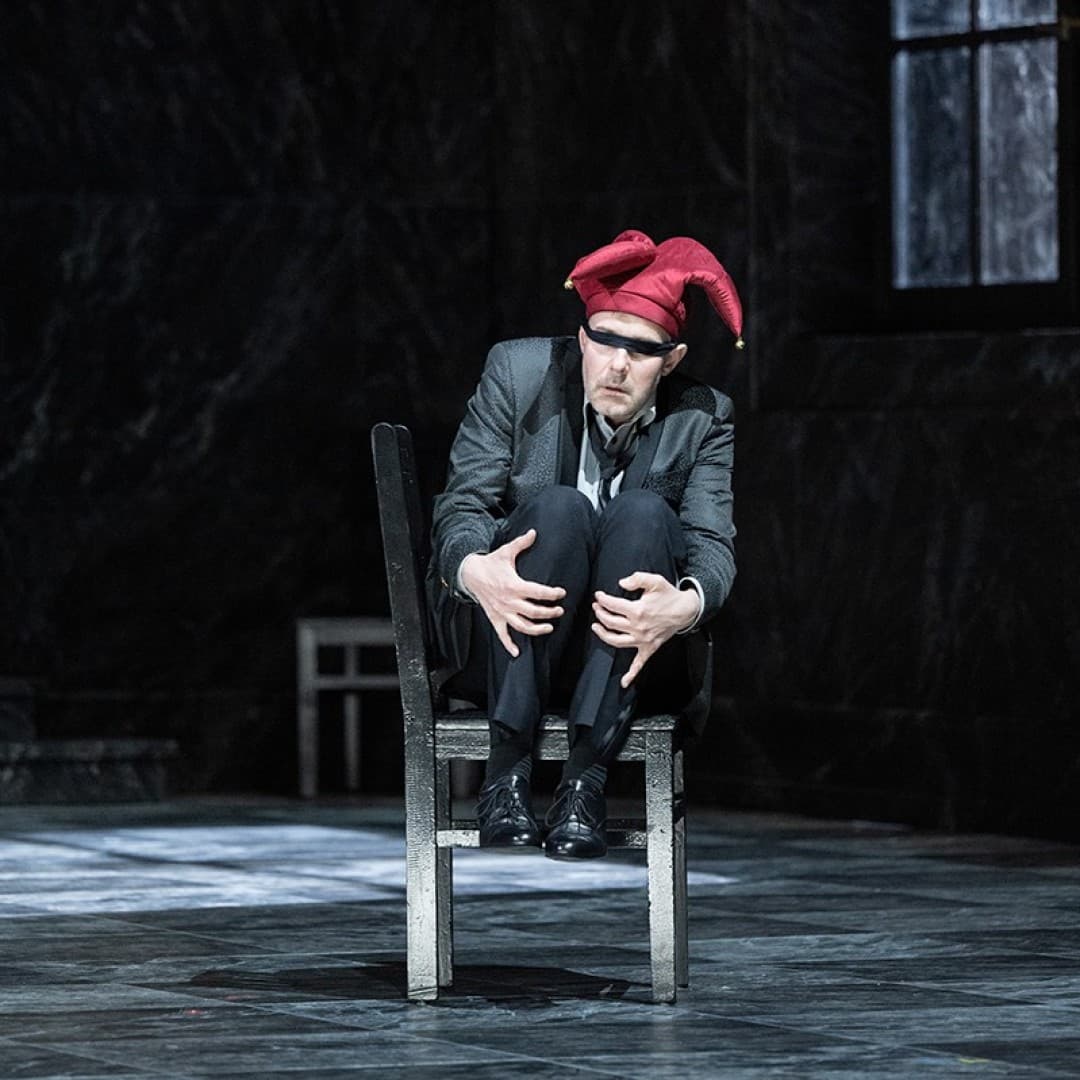
© Monika Rittershaus
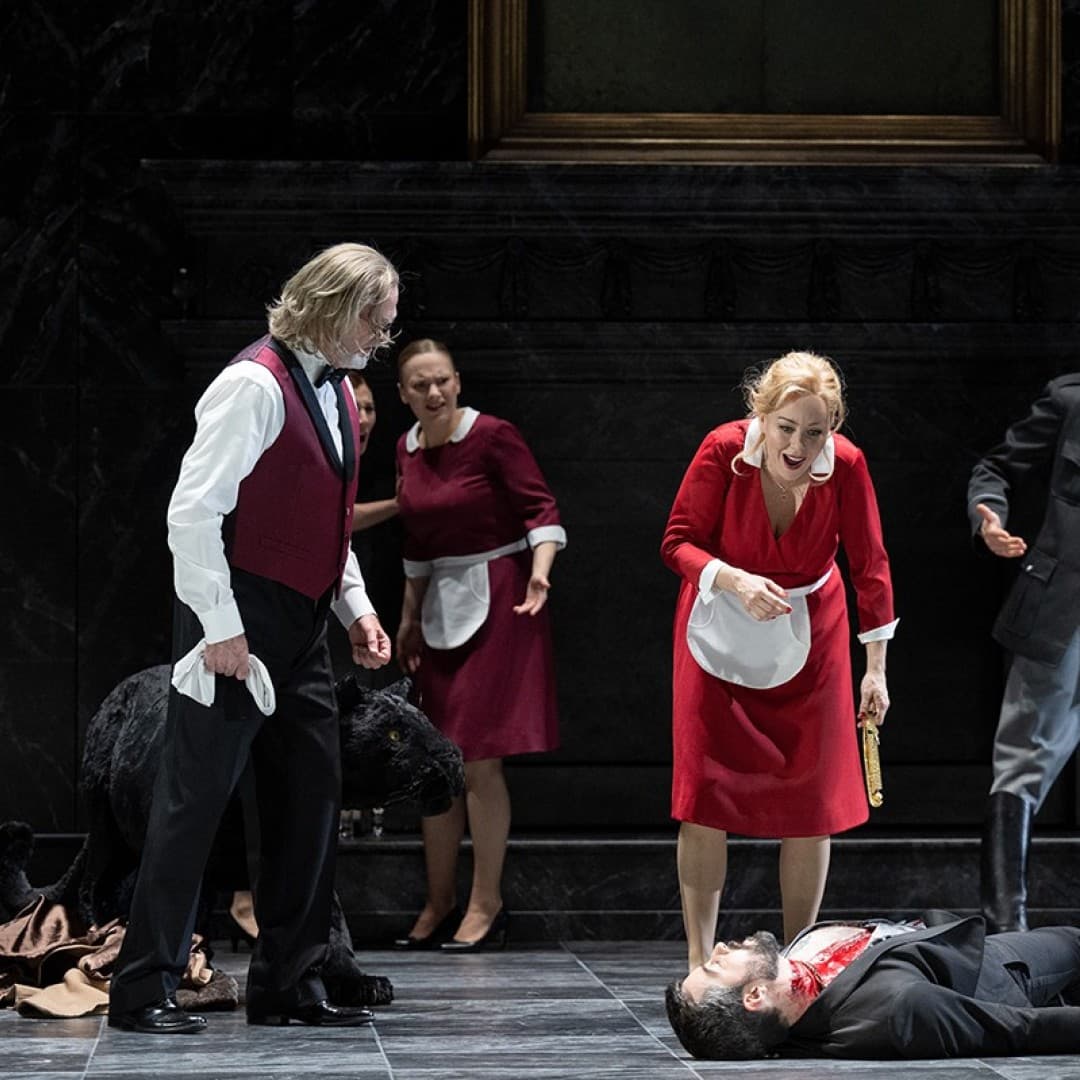
© Monika Rittershaus
© Monika Rittershaus
© Monika Rittershaus
© Monika Rittershaus
© Monika Rittershaus
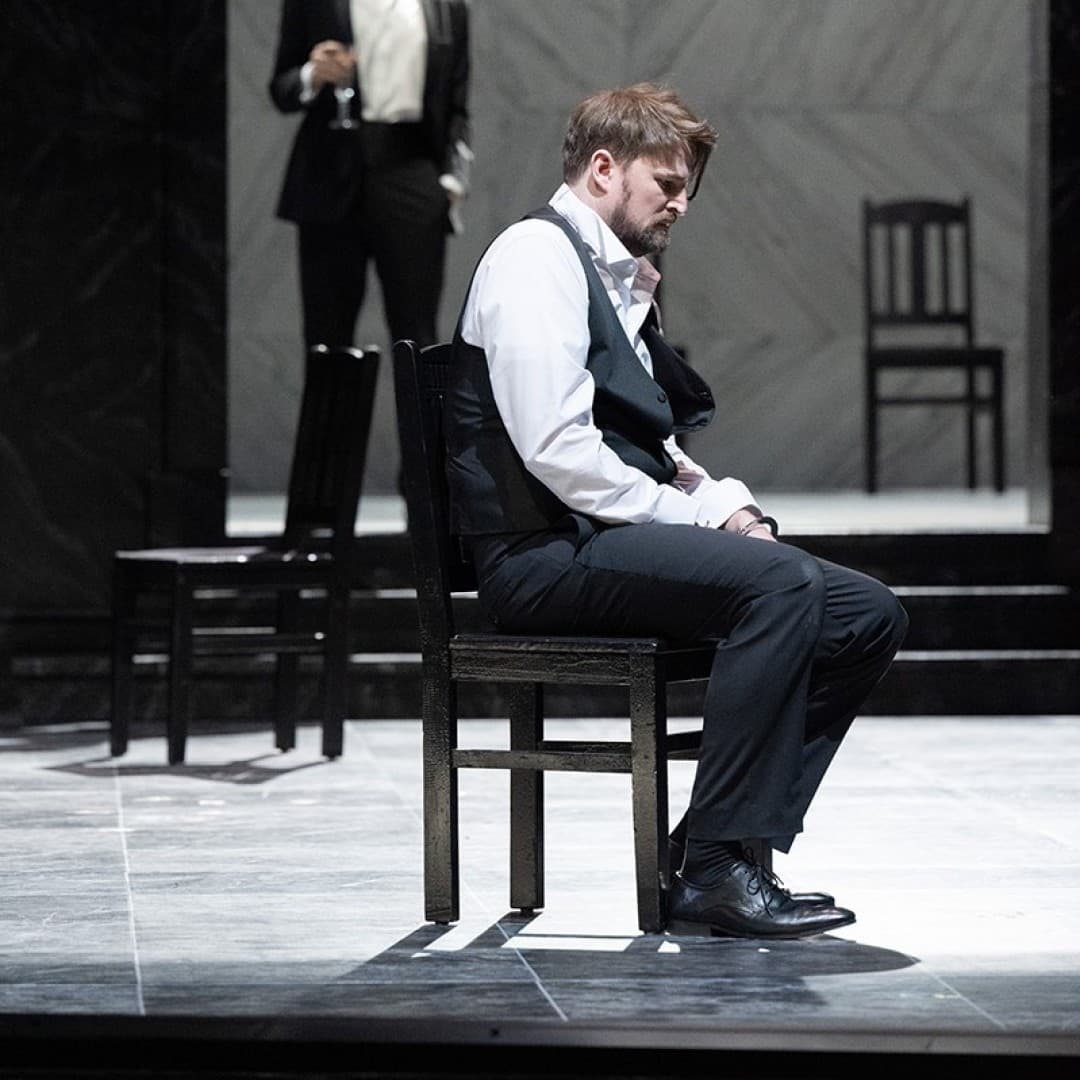
© Monika Rittershaus
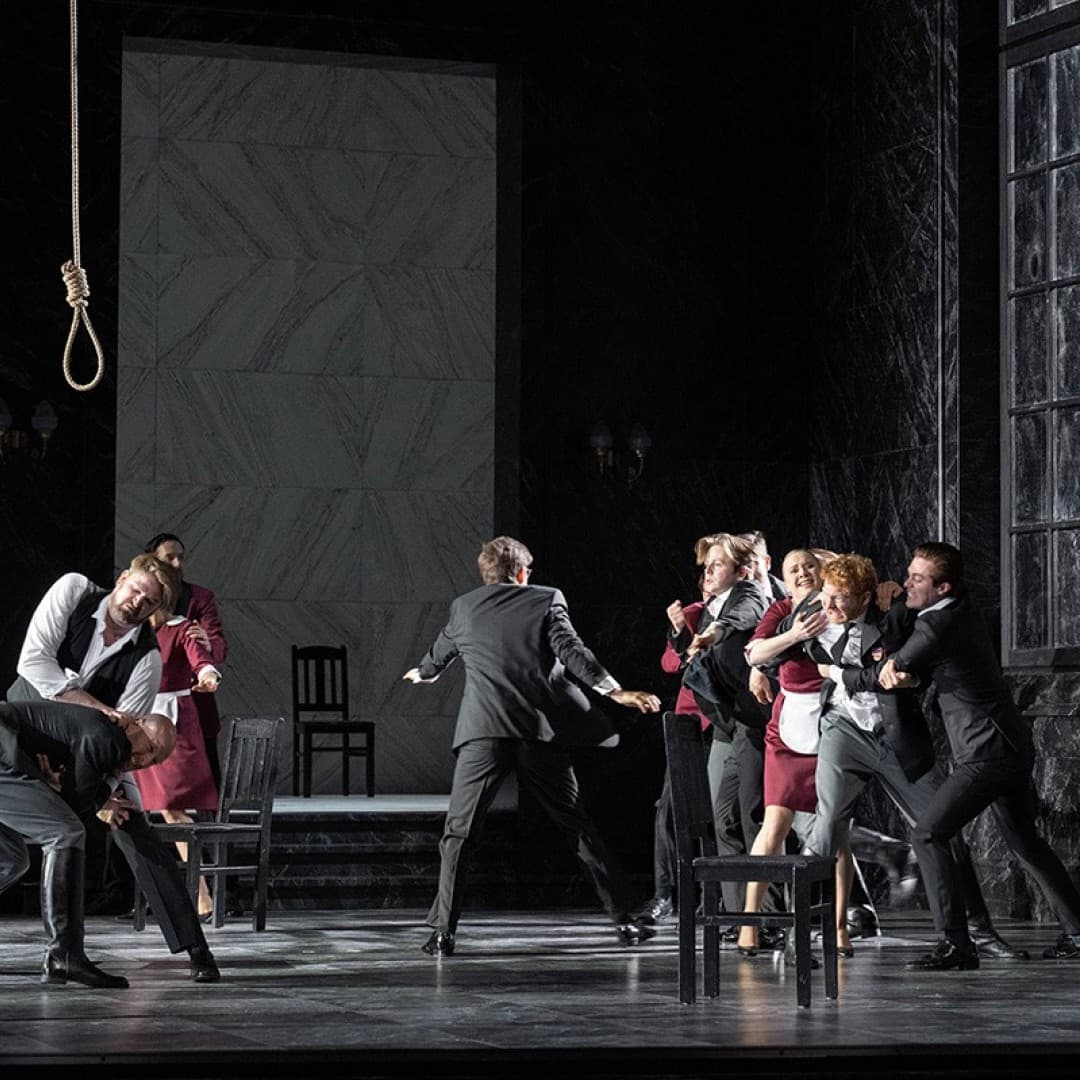
© Monika Rittershaus
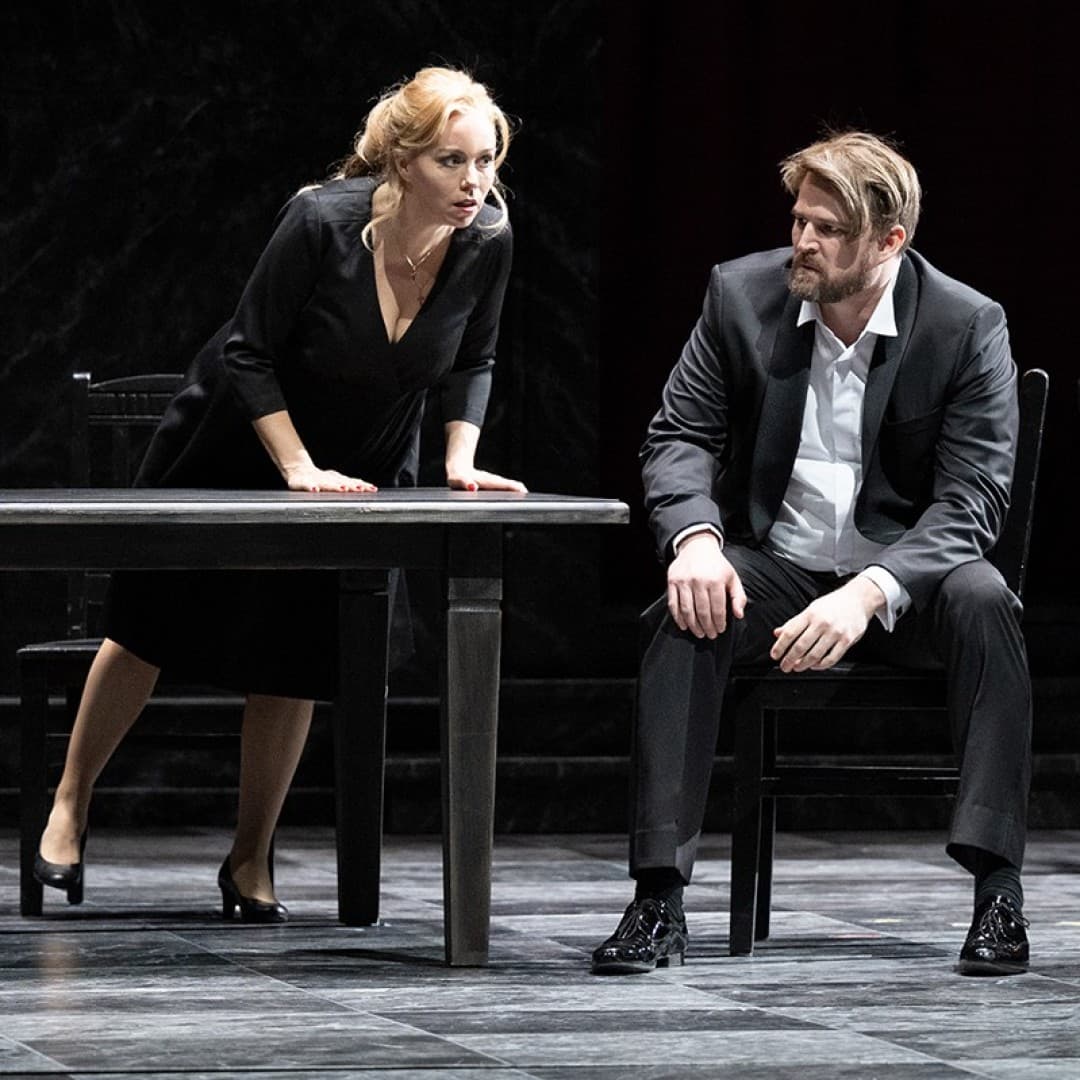
© Monika Rittershaus
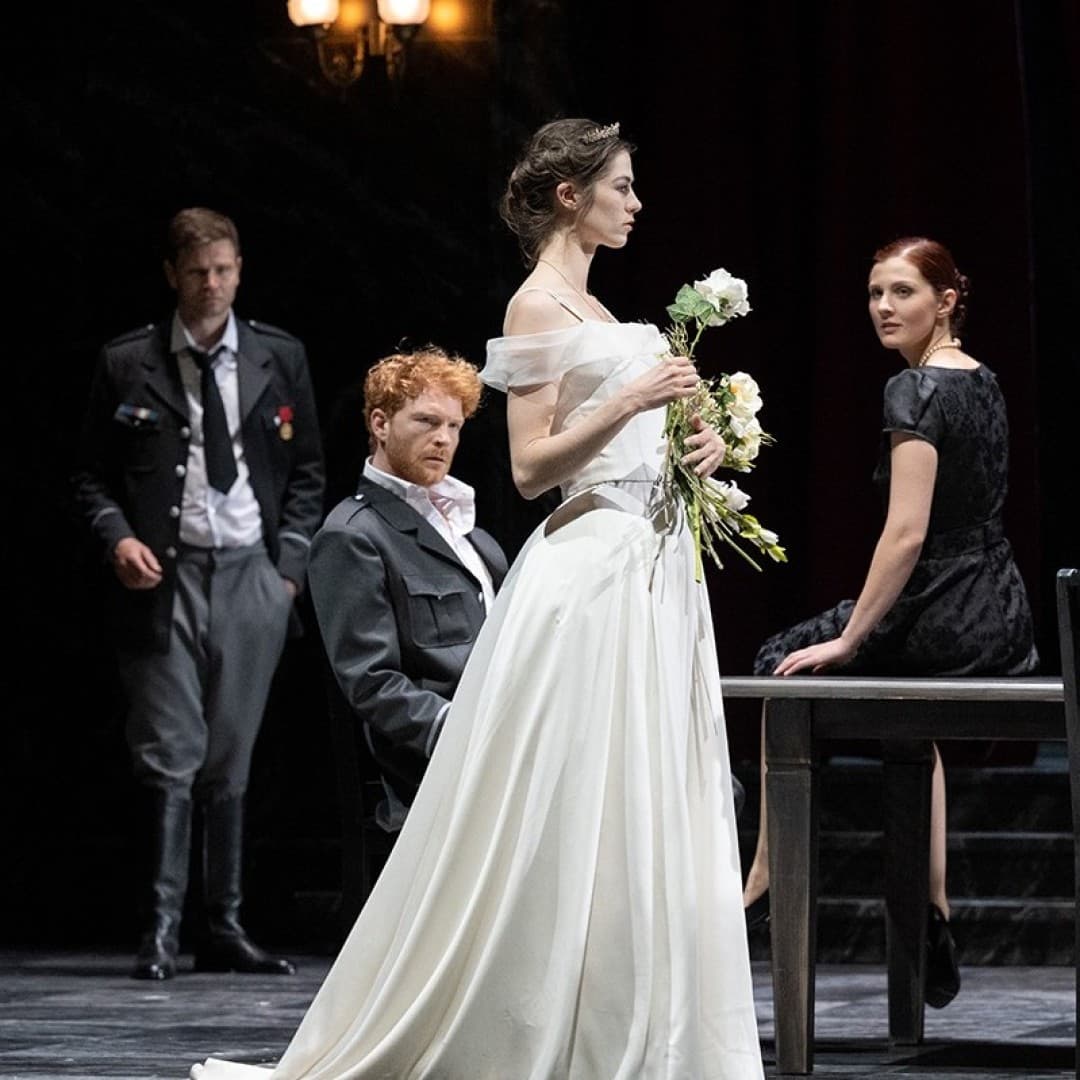
© Monika Rittershaus
Description
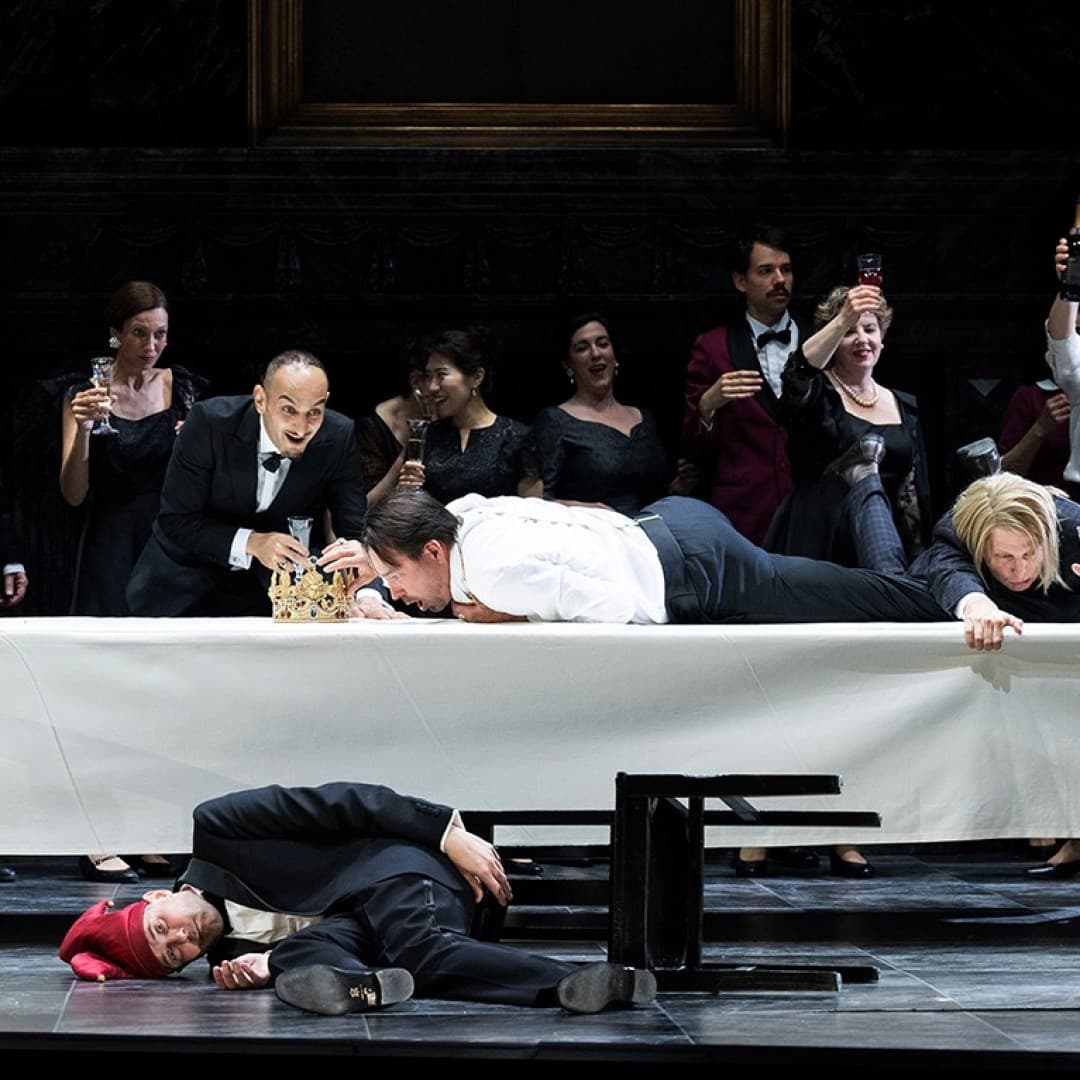
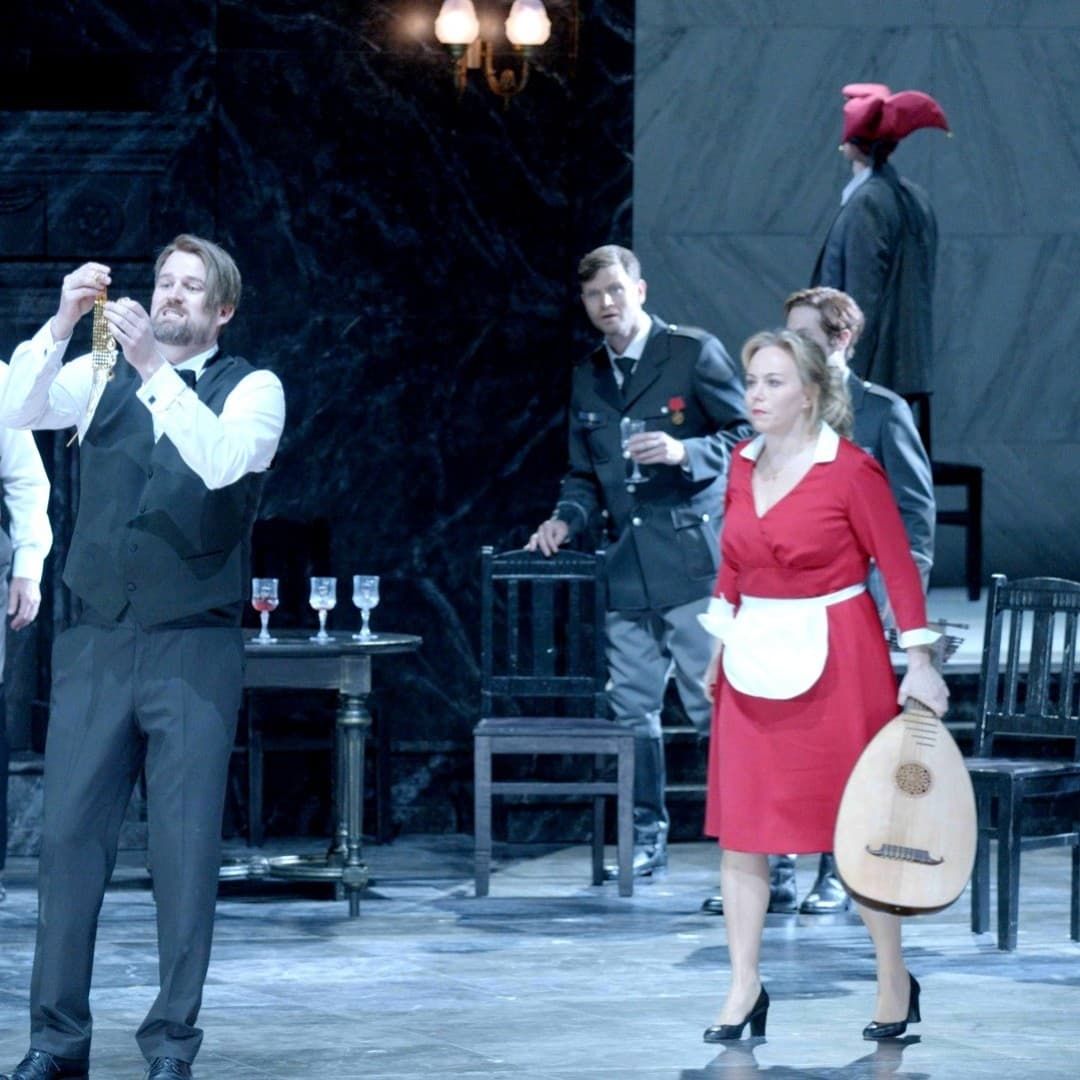
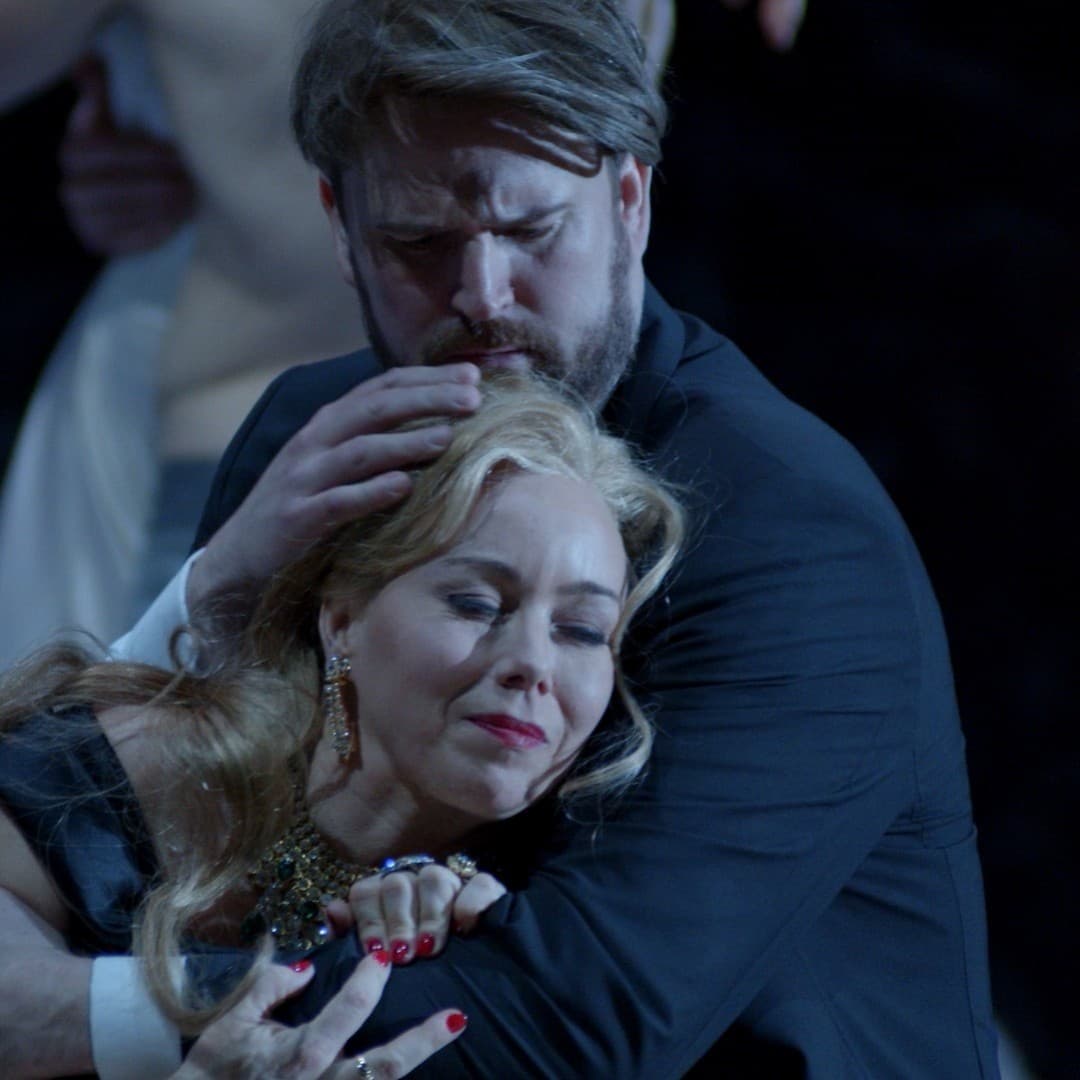
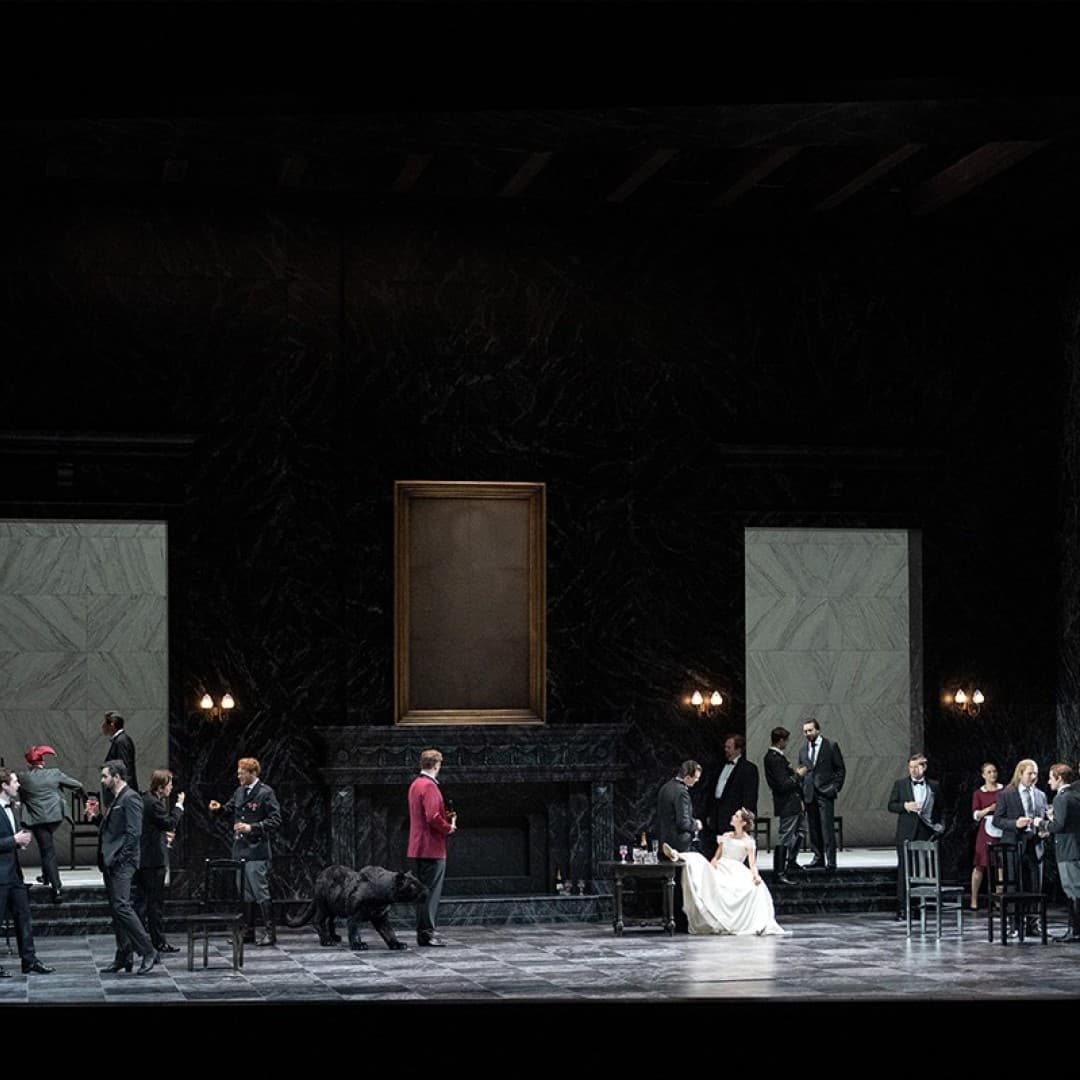
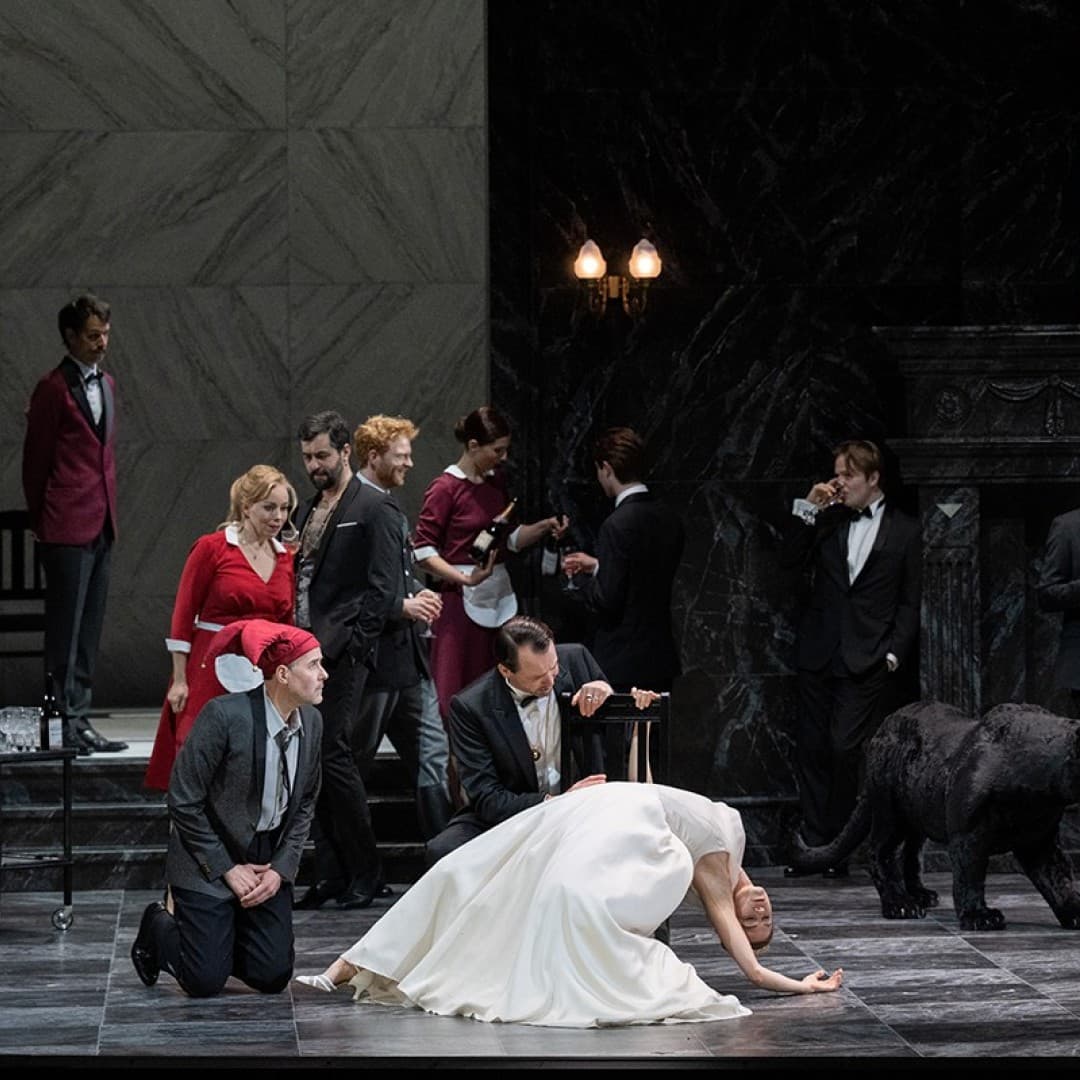
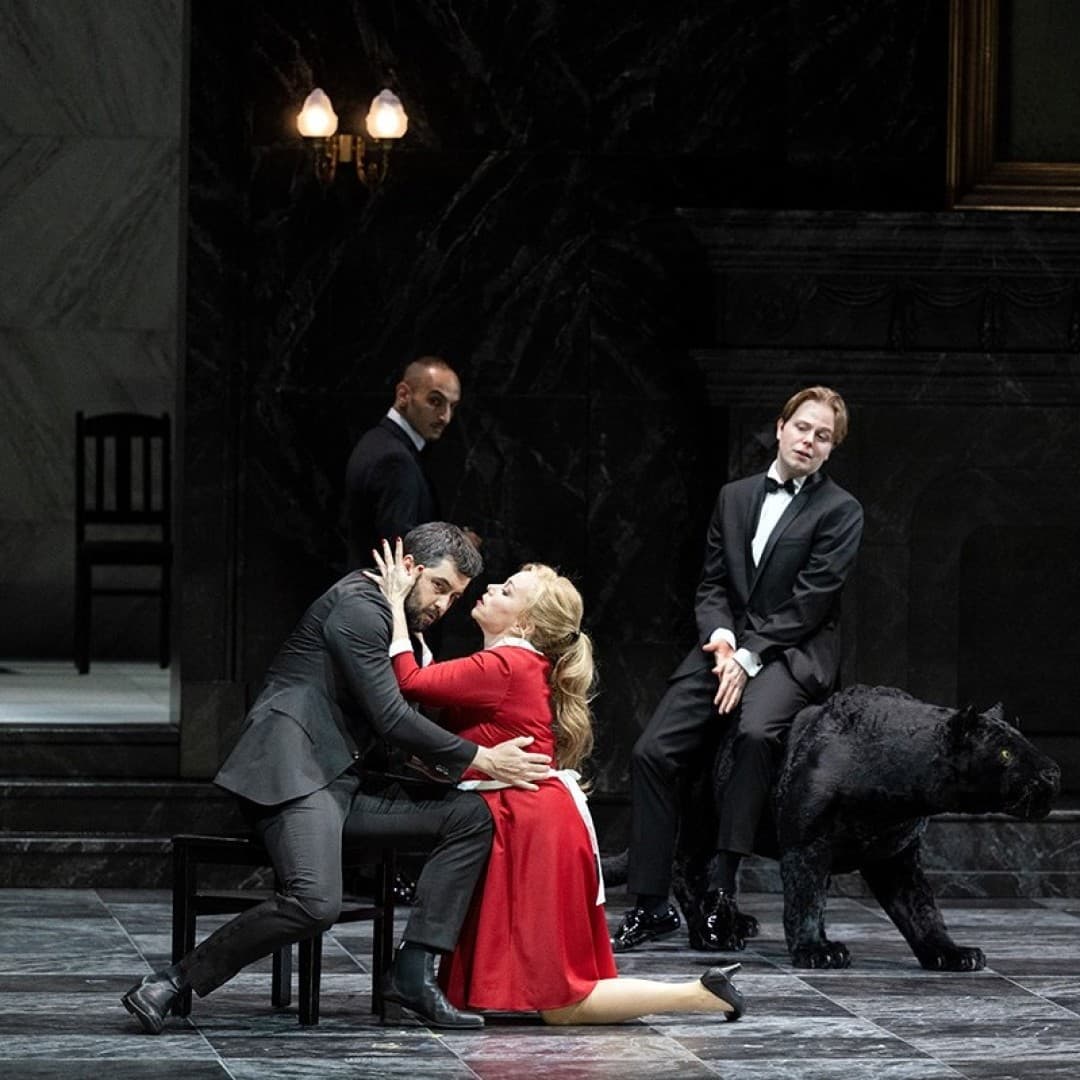
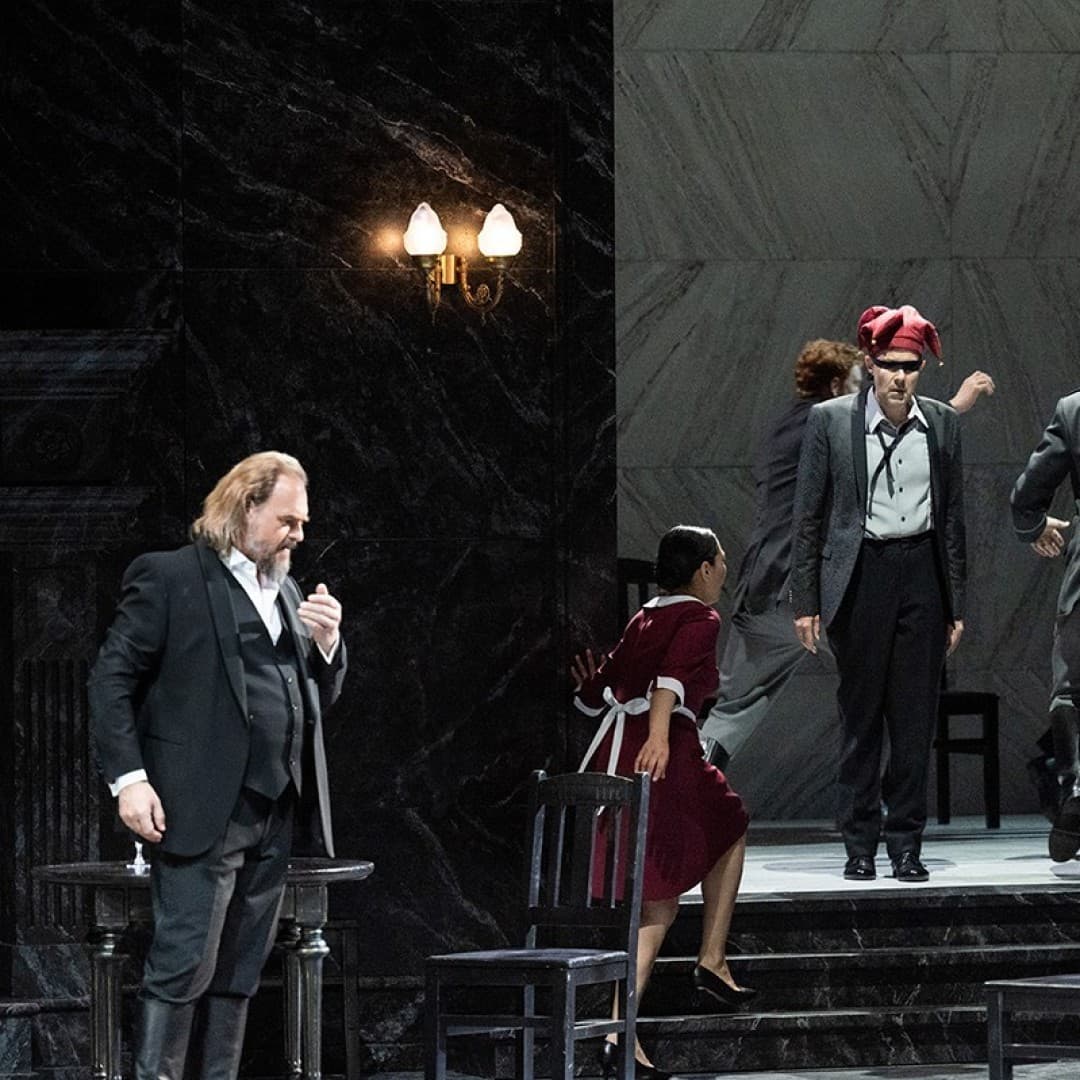
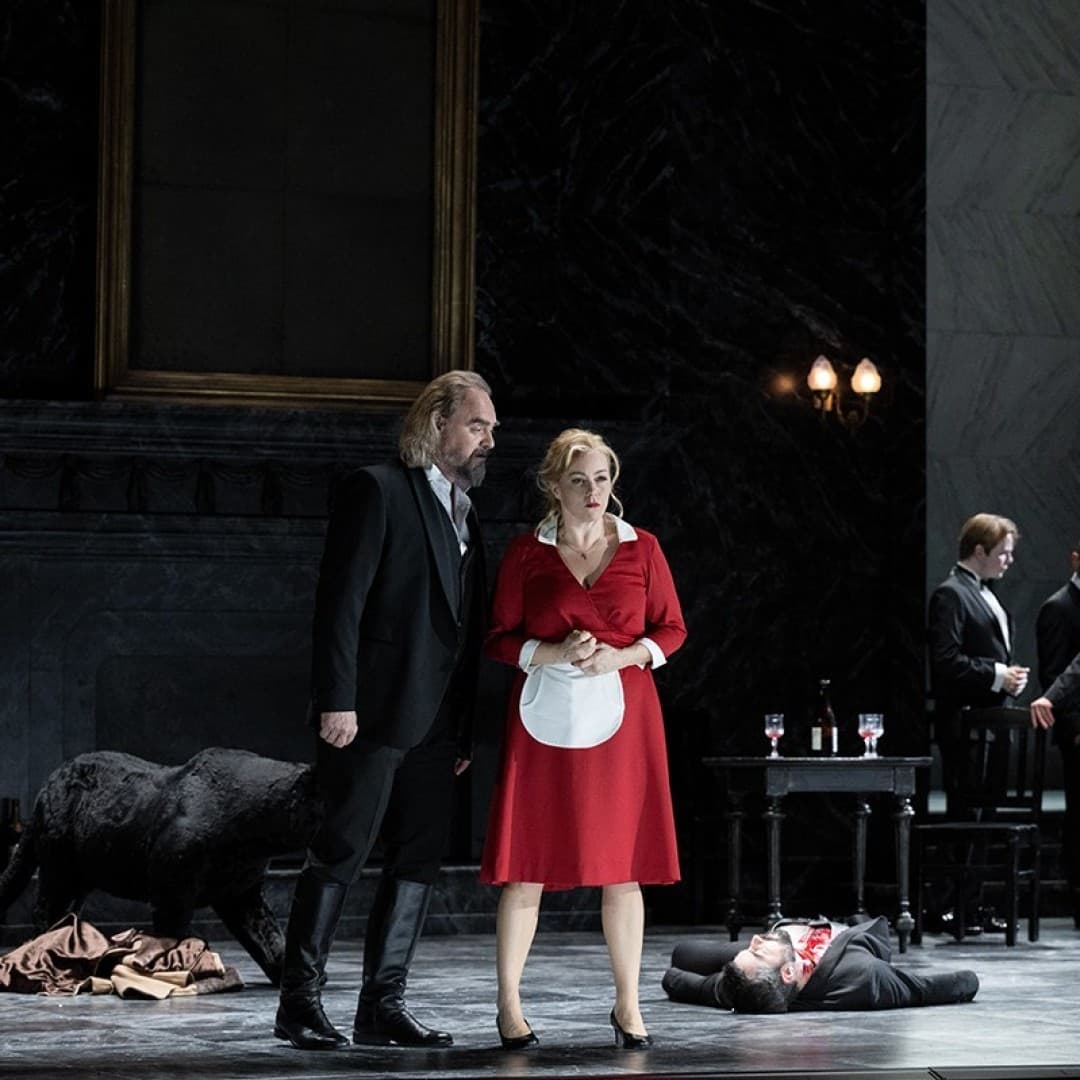
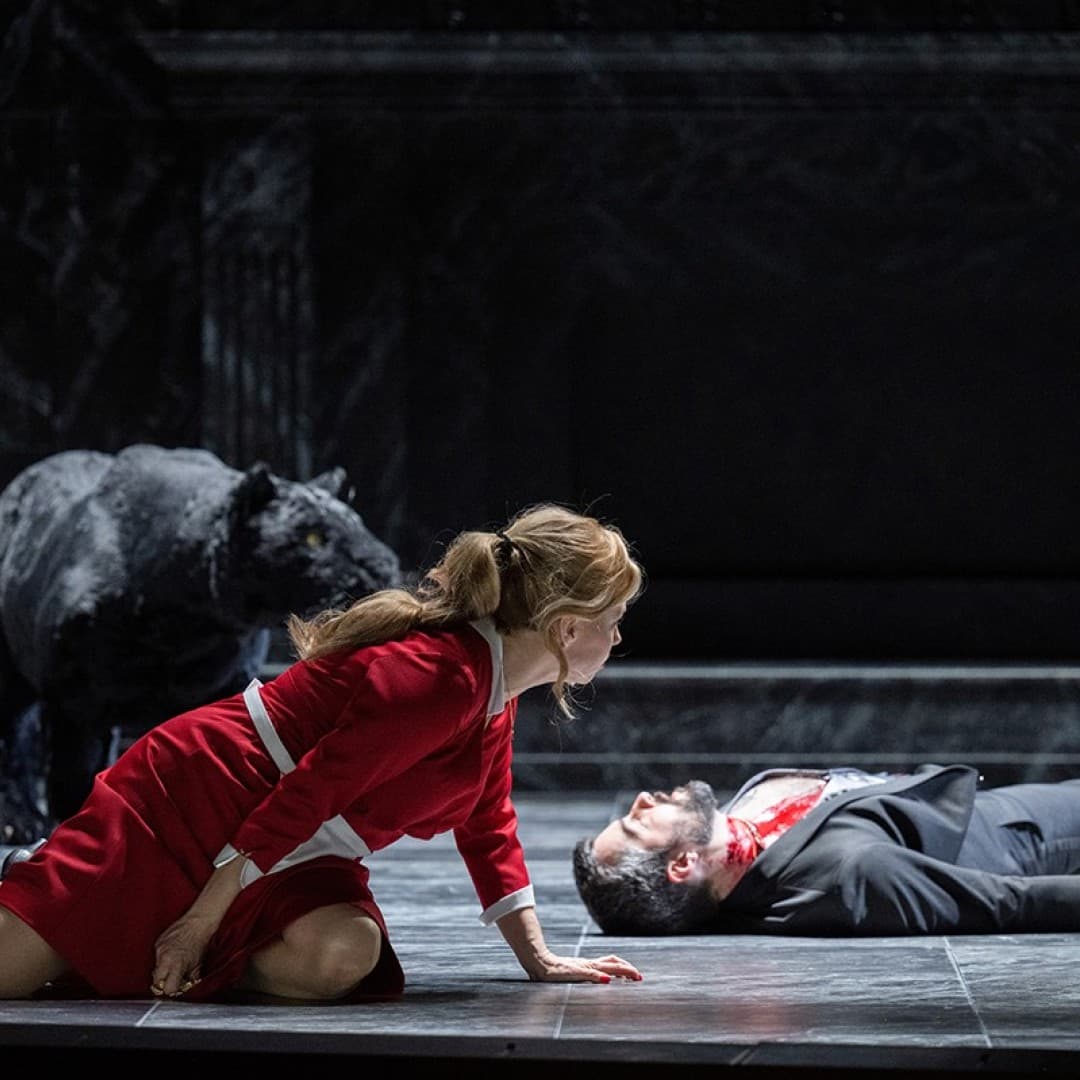
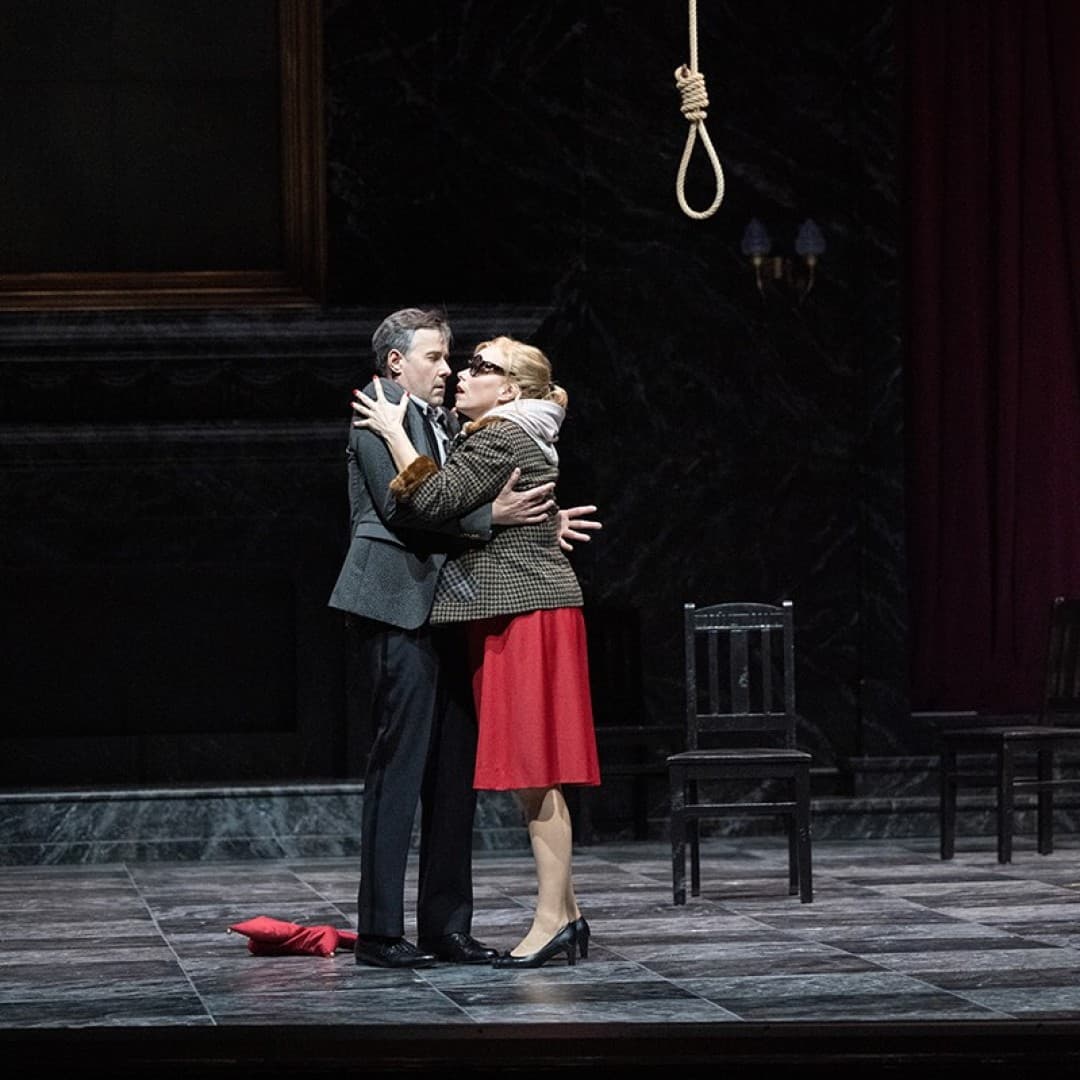
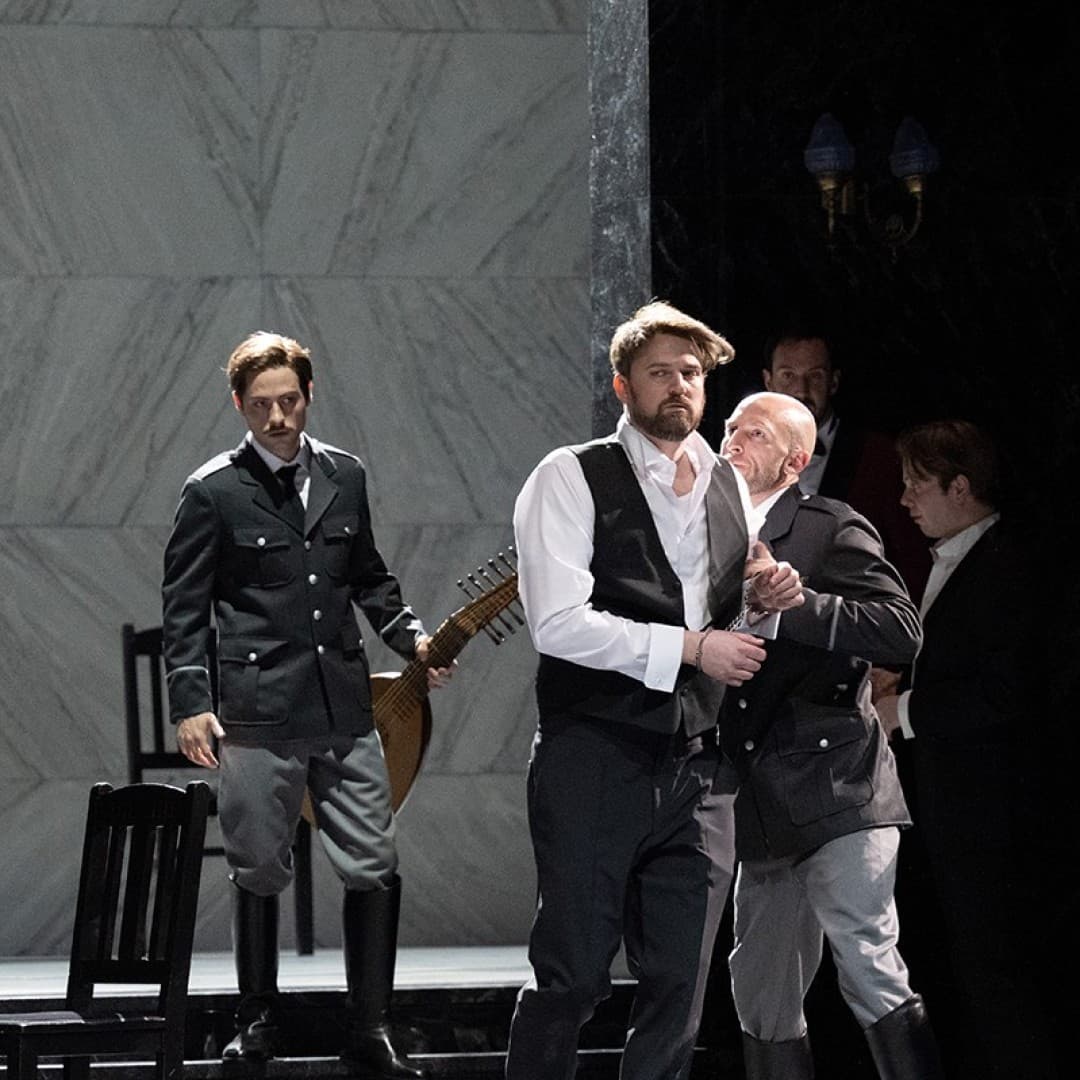
Els and Elis are kindred spirits in their pursuit of different treasures. But even owning all the gold jewellery in the world does not satisfy either of their desires. And so this Schreker opera is once again about yearning itself, which the composer describes as the real ‘treasure’.
Director Christof Loy has already helped four little-known operas from the early 20th century make a successful comeback at the Deutsche Oper Berlin: Erich Wolfgang Korngold's Das Wunder der Heliane and Riccardo Zandonai's Francesca da Rimini were followed by other long-forgotten operatic treasures: Franz Schreker's The Treasure Hunter in 2022 and finally Ottorino Respighi's La Fiamma in 2024.
The Treasure Hunter was one of the most important operas of the 1920s. The work was a triumph at its world premiere in Frankfurt in 1920 and went on to play 44 times at assorted venues over the next five years. It then fell victim to a shifting zeitgeist and slipped from opera-house programmes, with a National Socialist ban on performances sealing its demise. Even after 1945 the Schreker revival was a long time coming – and The Treasure Hunter has not featured prominently in the renaissance.
As with the vast majority of Schreker’s libretti, the story of Els and Elis explores the relationship between fantasy and reality, between art and life. Soulmates in the sense that they are both at the mercy of the king’s disposition, Els and Elis set off in search of different treasures. Elis, the minstrel, uses his magic lute to locate a stash of jewels and do humanity a good turn. Els, an innkeeper’s daughter who has grown up motherless in a tough, male-chauvinist world, becomes a liar, cheat and murderess in pursuit of her goal, tasking her suitors to steal the queen’s jewels and then having them killed once they have returned with the haul of treasure. Yet even with the gold in their possession, the pair are not content, and so, true to form, Schreker turns his attention to the theme of yearning per se, which is the actual “treasure” that the composer is interested in, “a dream of happiness and redemption”. Elis and Els are caught up in a swirl of dreams, memories, premonitions, songs and music. Their stories take on a dreamlike quality in a world beset by greed, murder and emotional inconstancy. For Franz Schreker the path to redemption could only be via art. Composed during the turmoil of the First World War, the Treasure Hunter score amounts to Schreker’s personal confession of artistic faith, executed in florid strokes of late-Romantic musical colour.
Director Christof Loy has already helped four little-known operas from the early 20th century make a successful comeback at the Deutsche Oper Berlin: Erich Wolfgang Korngold's Das Wunder der Heliane and Riccardo Zandonai's Francesca da Rimini were followed by other long-forgotten operatic treasures: Franz Schreker's The Treasure Hunter in 2022 and finally Ottorino Respighi's La Fiamma in 2024.
The Treasure Hunter was one of the most important operas of the 1920s. The work was a triumph at its world premiere in Frankfurt in 1920 and went on to play 44 times at assorted venues over the next five years. It then fell victim to a shifting zeitgeist and slipped from opera-house programmes, with a National Socialist ban on performances sealing its demise. Even after 1945 the Schreker revival was a long time coming – and The Treasure Hunter has not featured prominently in the renaissance.
As with the vast majority of Schreker’s libretti, the story of Els and Elis explores the relationship between fantasy and reality, between art and life. Soulmates in the sense that they are both at the mercy of the king’s disposition, Els and Elis set off in search of different treasures. Elis, the minstrel, uses his magic lute to locate a stash of jewels and do humanity a good turn. Els, an innkeeper’s daughter who has grown up motherless in a tough, male-chauvinist world, becomes a liar, cheat and murderess in pursuit of her goal, tasking her suitors to steal the queen’s jewels and then having them killed once they have returned with the haul of treasure. Yet even with the gold in their possession, the pair are not content, and so, true to form, Schreker turns his attention to the theme of yearning per se, which is the actual “treasure” that the composer is interested in, “a dream of happiness and redemption”. Elis and Els are caught up in a swirl of dreams, memories, premonitions, songs and music. Their stories take on a dreamlike quality in a world beset by greed, murder and emotional inconstancy. For Franz Schreker the path to redemption could only be via art. Composed during the turmoil of the First World War, the Treasure Hunter score amounts to Schreker’s personal confession of artistic faith, executed in florid strokes of late-Romantic musical colour.
Cast
Marc Albrecht
Conductor
Christof Loy
Stage direction
Johannes Leiacker
Set design
Barbara Drosihn
Costume design
Olaf Winter
Light design
Jeremy Bines
Chorus Director
Chor der Deutschen Oper Berlin
Chorus
Dorothea Hartmann
Dramaturge
Jared Werlein
The King
Doke Pauwels
The Queen
Clemens Bieber
The chancellor
Philipp Jekal
The Count / A Herald
Joel Allison
The schoolmaster / The mayor
Thomas Cilluffo
The fool
Thomas Johannes Mayer
The bailiff
Byung Gil Kim
The young nobleman
Daniel Johansson
Elis
Michael Dimovski
The scribe
Bart Driessen
The innkeeper
Olesya Golovneva
Els
Patrick Cook
Albi
Paul Minhyung Roh
Land servant
Asahi Wada
Chorus, solo parts
N. N.
Chorus, solo parts
Michael Gernot Sumper
Actors
Tobias Wollschläger
Actors
Eric Naumann
Actors
Stefan Liebermann
Actors
Hanno Jusek
Actors
Nicolas Franciscus
Actors
Koray Tuna
Actors
Niall Fallon
Actors
Benjamin Werth
Actors
Jeanna Serikbayeva
Actors
Eva Paulina Loska
Actors
Xenia Wolfgramm
Actors
Orchester der Deutschen Oper Berlin
Orchestra
Deutsche Oper Berlin
Bismarckstraße 35, 10627 Berlin
To enable Google Maps please accept functional cookies.